Adobe MAX 2025: Relight, Topaz-Powered Wonder 4, and 2027 MCP Bet
Adobe MAX ships Photoshop Relight and Topaz-derived Wonder 4 today, taps Kling, Runway and Google models inside Premiere, and promises local MCP agent integration in a 2027 private beta.
Processing notes
- Adobe announced the updates at its MAX conference, with many features rolling out as early as today
- Wonder 4 and Image HDR are the first models from Adobe's Topaz Labs acquisition, combining upscaling, denoising, deblurring and sharpening
- Premiere's Generative Media Tool lets users choose Adobe Firefly or partner models from Google, Kling, Runway and Luma
- Premiere Mobile adds hundreds of thousands of UMG and WMG licensed tracks starting today, non-commercial use only
- MCP integration enters private beta in early 2027, connecting Photoshop, Illustrator, Premiere and After Effects to external AI agents locally
Adobe used its annual MAX conference today to roll out a sweeping set of AI-driven updates across Photoshop, Premiere, Lightroom, Illustrator, InDesign and Firefly — some shipping immediately, many landing in beta, and one headline infrastructure play, MCP integration, that will not reach private beta until early 2027.
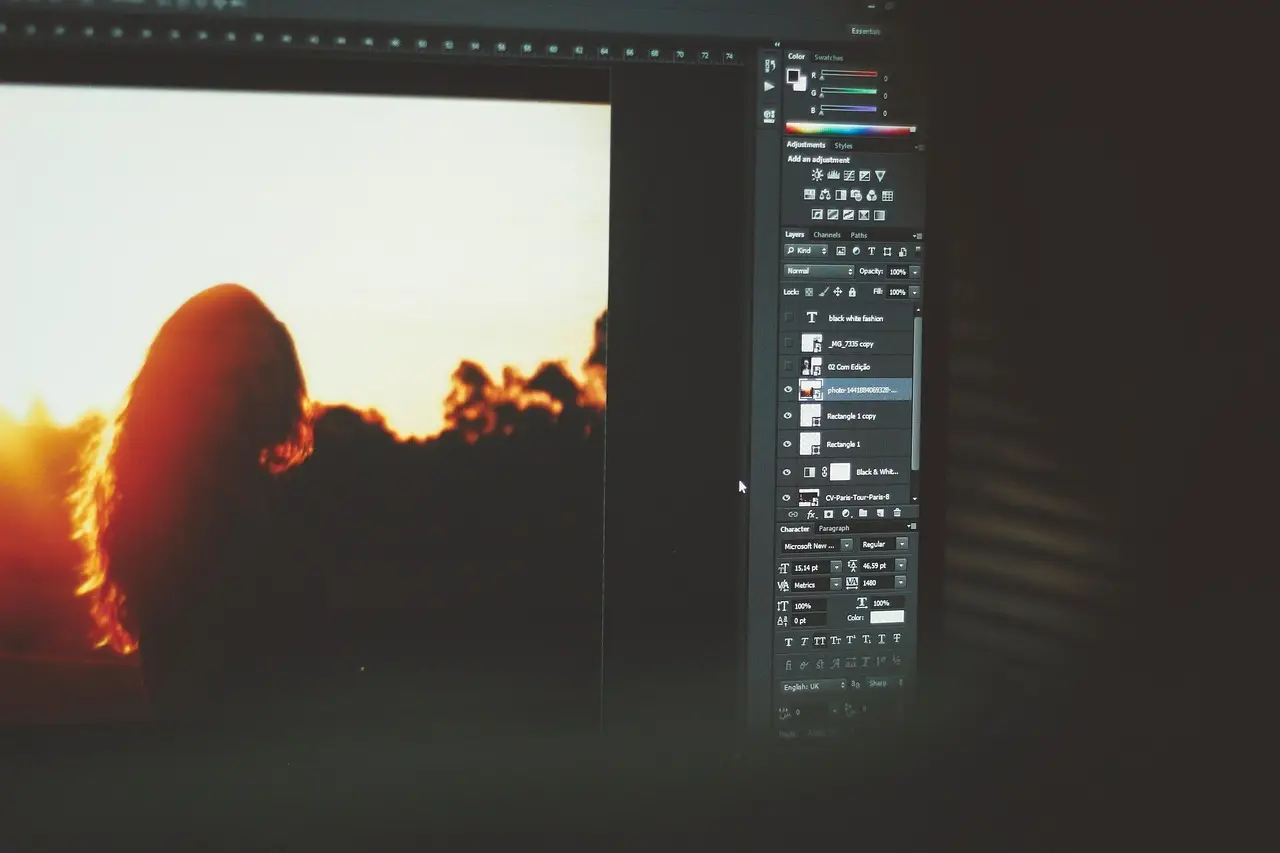
For working photographers, the Photoshop announcements carry the most direct revenue implications. Relight, available now, adds, repositions and resizes light sources non-destructively and dynamically inside a composition. Generative Restyle prompts the platform for stylistic variations, with adjustable sliders for fine-tuning, and a new Quick Compare slider tracks before-and-after results.
The Photoshop beta app adds six features: Mockups for compositing designs onto objects; Camera Angles for exploring new viewpoints via on-canvas interaction; Generative Recompose, which repositions an image into a new aspect ratio while preserving structural composition; Convert to Text Layers, extracting editable type from flattened images; Timelapse, recording the creative process; and Remove Ambient Effect Only, stripping lens flare, haze, stray shadows and reflections without removing objects.
What does the Topaz acquisition change?
Adobe's acquisition of Topaz Labs now yields two AI enhancement models. Wonder 4 combines upscaling, denoising, deblurring and sharpening into a single operation. Image HDR converts standard images into HDR with improved brightness and detail. Both consolidate what previously required a separate third-party application and per-image round-trips into the subscription photographers already pay for.
Premiere gains its own generative stack. Enhance Audio, Separate Crosstalk and Separate Sound Source prepare raw files. Generative Remove, in beta, removes unwanted objects — boom mics, logos, background distractions — directly on the timeline. Color Mode, a new grading tool available starting today, "supports everything from quick corrections to more advanced grades while keeping your video as the focus," per Adobe.
The Generative Media Tool brings Generate Video, Generate Sound Effects, Generate Soundscape and Generate Music into the timeline. Users generate missing b-roll or background music using edit context, then refine in place — and can choose between Adobe Firefly and partner models including Google, Kling, Runway and Luma. That model-selector structure effectively turns Premiere into a routing layer for competitor generation models.
Premiere Mobile adds licensed music through new partnerships with UMG and WMG: hundreds of thousands of tracks from artists such as Olivia Dean and Noah Kahan, available starting today for non-commercial use only, with trending-song discovery and artist-inspired templates. Quick Cuts, generating a first cut from a prompt, and an AI Assistant arrive "soon."
In Lightroom, Glow "adds soft, cinematic light to your photos," Blemish Removal handles skin fine-tuning, and Open Eyes enters beta. Expanded Camera Tethering on desktop and iPad supports more cameras, advanced shooting controls, and direct camera-to-iPad connection for live previews and editing.
What about Illustrator, InDesign and the agents?
Illustrator gains new brushes, gradients, patterns, graphic styles and Blend controls with a persistent control panel and live preview. InDesign gets Co-editing in beta, Flex Layout for dynamic canvas-based reflow, plus Check Document and Rewrite for editorial and accessibility issues.
Firefly adds Video for scene assembly, captions, transitions and B-roll; Design merges illustration, image editing, animation and 3D on one canvas; plus Quick Actions, Firefly Graph for reusable workflows, and Firefly Builder in private beta for prototyping sites and apps via natural language. Its AI Assistant gains Plan Mode, letting users review and approve proposed agent actions, and a Model Selector.
Creative Agent expands across the suite, with AI Assistants in beta in Illustrator, Premiere, InDesign, After Effects, Frame.io and the Photoshop beta — executing multi-step tasks like applying effects across a sequence or adjusting color across multiple clips.
The 2027 MCP integration is the strategic outlier. Running locally, agents from tools like ChatGPT would work directly in native project files — "your layers, vectors, bins and sequences stay editable" — while coordinating Google Drive uploads, Slack updates and campaign-wide adaptations. Private beta opens early 2027, with a signup list already live. Adobe is asking creative businesses to bet on agentic workflows two years out while the shipping features land piecemeal through beta channels starting today.
via 9to5mac.com (Source)
More from Grace Kim
Show full bio
News editor covering technology and product news in professional photography industry at Photo Trade Wire.
174 articles