FR-62F1ƒ/11 · 1/500 · ISO 400Roll /photo-software
Adobe Puts Google's Nano Banana Editing Model Inside Lightroom
Adobe has built Google's Nano Banana model into Lightroom as "Prompt to Edit," generating new images from an existing photo plus a text prompt — with licensing and provenance questions still open.

Processing notes
- Google's Nano Banana generative AI model is now integrated into Adobe Lightroom as a feature called "Prompt to Edit".
- Prompt to Edit takes an existing photo and a text prompt and generates a new, edited image from the source frame.
- Adobe has not specified pricing, credit structure, content credentials handling, or regional availability for the feature.
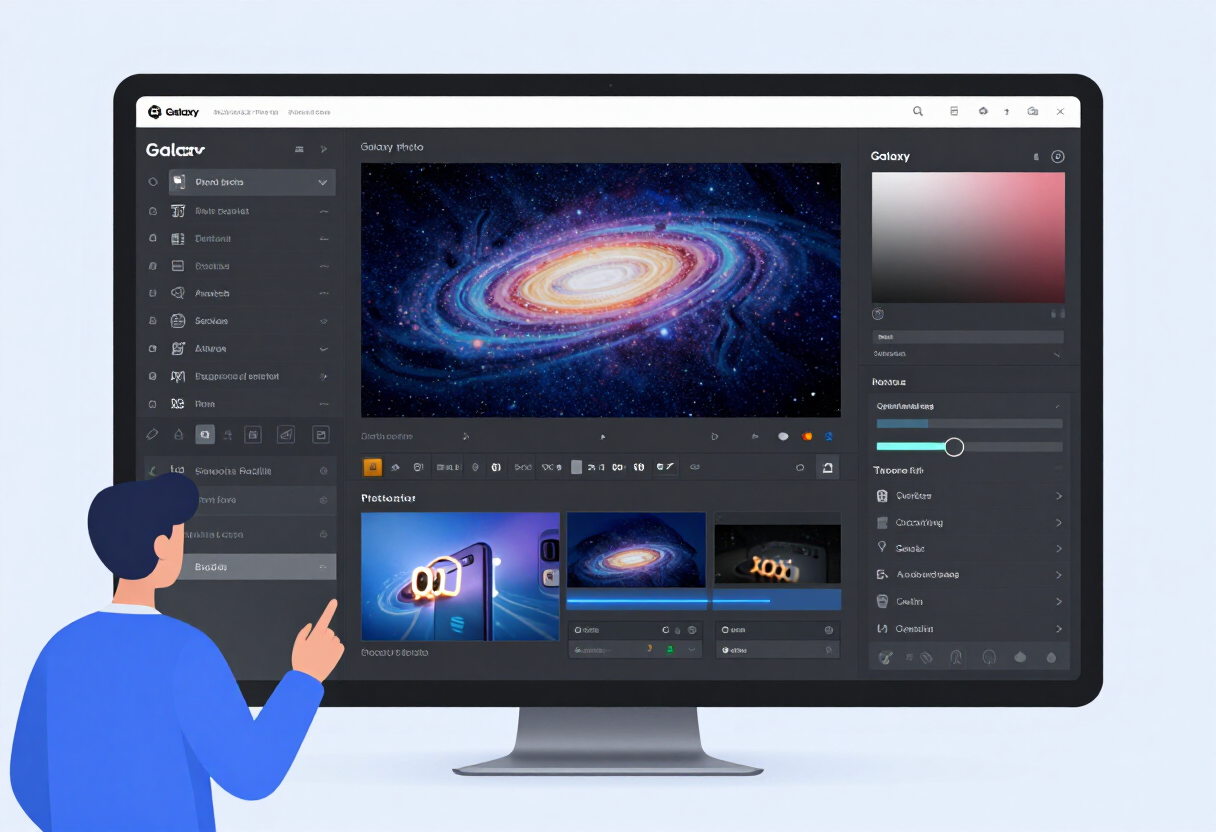
Adobe has integrated Google's Nano Banana generative AI model directly into Lightroom, launching a feature called "Prompt to Edit" that takes an existing photograph plus a text prompt and produces a new, edited version of the image. Digital Camera World first reported the rollout.
The arrival matters to working photographers for one concrete reason: generative editing has moved from a standalone web experiment into a mainstream raw-processing and cataloging tool that many full-time shooters already open every working day. That changes the practical calculus around what counts as a delivered photograph, what clients are entitled to under an editing brief, and where the line sits between post-production and synthesis.
"Prompt to Edit" works from a source photo already in the user's Lightroom catalog. The photographer supplies a text instruction, and the model returns a regenerated image derived from the original frame. This is a different operation from Lightroom's established adjustment model, which applies parametric edits — exposure, color, masking — while keeping pixel provenance intact. With Nano Banana in the loop, the output is a new image generated from the original rather than a graded version of it.
That distinction has direct business implications. Commercial and editorial photographers who deliver licensed work should expect to revisit how they describe deliverables in contracts: a prompt-generated derivative is not a traditional edit of the captured frame, and clients, stock platforms and newsrooms are still building rules about where such files are acceptable. Editorial buyers in particular have been conservative about generative content, and shooters feeding agency workflows should verify how each platform's submission terms treat model-generated derivatives of original captures.
The move also sharpens the competitive picture in photo software. Adobe has spent two years building its own Firefly generative models and marketing them as commercially safe, trained on licensed content. Bringing in Google's Nano Banana — the image model behind Google's own consumer editing tools — signals either a gap Adobe wants to fill with outside technology or a hedge toward multi-model workflows, where the editing application becomes a shell routing prompts to whichever model performs best for a given task. For software-buying decisions, photographers should watch whether this arrives as part of existing Creative Cloud subscriptions or as a gated, credit-metered feature, as Adobe has done with earlier generative capabilities. The report does not specify the fee structure or regional availability, so treat those details as unconfirmed until Adobe documents them.
There are also unanswered questions worth pressing on. Adobe has not, in this rollout's coverage, detailed how the model handles metadata, whether prompt-generated outputs carry content credentials or provenance flags, and how the feature behaves with raw files versus rendered previews. Any photographer subject to authenticity requirements — press accreditation, documentary grants, competition entries — will need those answers before the feature touches billable work.
For now, the concrete fact is this: a Google generative image model now runs inside one of the industry's most widely used editing applications, and it produces new images from existing ones on a text instruction. Expect the next wave of coverage to focus on output quality against manual editing, Adobe's pricing and watermarking terms, and how quickly client-side policies catch up to what the software now makes possible.
via Google News: Generative AI & photography (Source)
More from Tom Whitfield
Show full bio
Senior reporter covering media and advertising at Photo Trade Wire.
19 articles