FR-A968ƒ/5.6 · 1/500 · ISO 400Roll /ai-imaging
Apple WWDC 2026 Plants AI Photo Editing Into iOS and macOS
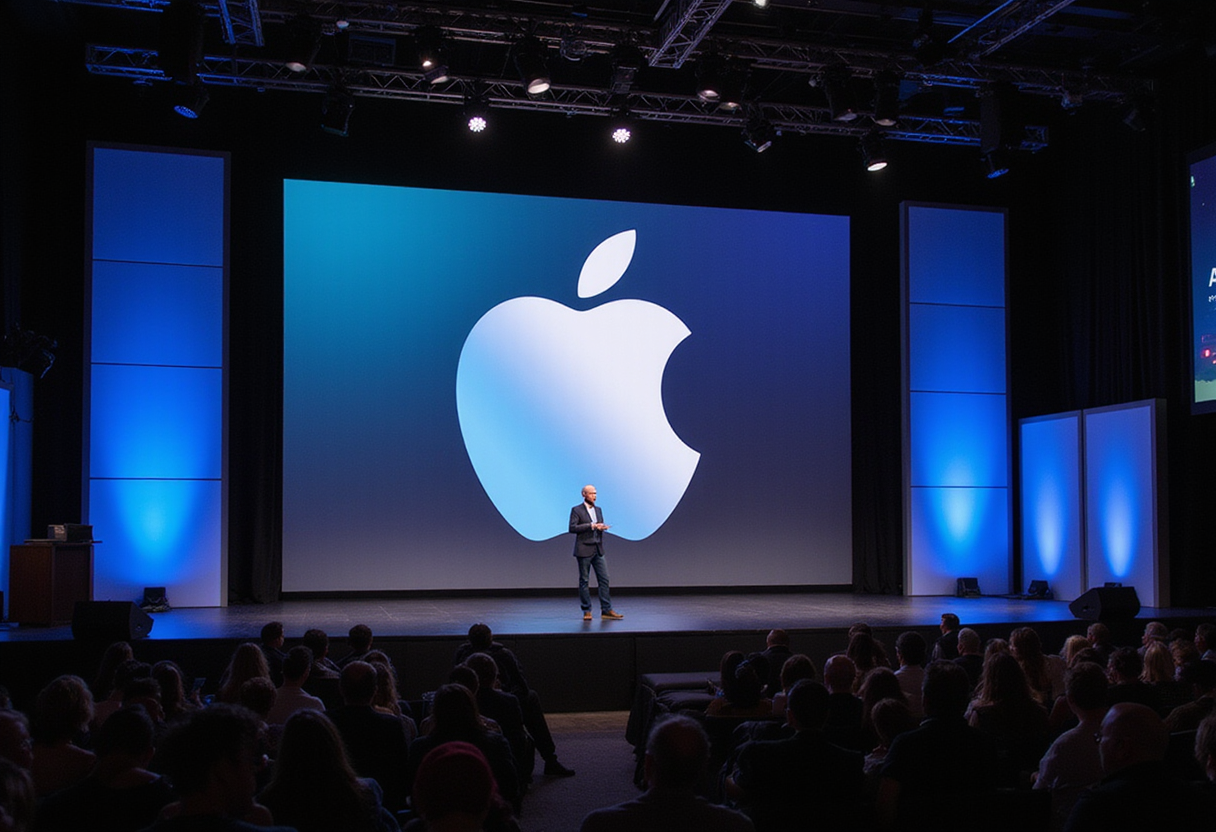
Apple's WWDC 2026 keynote put generative photo editing at center stage and split the working-photographer community, per RedShark coverage that calls it a development that 'divides opinion.'
Processing notes
- WWDC 2026 introduced an AI-augmented Siri generation and native AI photo editing inside iOS and macOS
- RedShark News framed the announcements as a development that 'divides opinion'
- Apple positioned the photo editing tools as assistive rather than replacement editing
- The features ship through the standard OS release cycle, not a paid Pro tier
- Adobe, Capture One, and Skylum have not yet announced counter-positioning
Apple's WWDC 2026 placed generative photo editing on the keynote stage and split the working-photographer community in the process. RedShark News framed the announcements as a development that "divides opinion."
The conference opened with the long-anticipated AI-augmented Siri generation. The photo trade spent the following 72 hours debating the image-editing suite Apple rolled into iOS and macOS. Per RedShark's coverage, the reaction across working photographers has fractured rather than consolidated.
What did Apple actually ship on the photo side?
Apple demonstrated AI-driven image editing running natively inside iOS and macOS, with third-party developer access through updated APIs. Coverage of the keynote indicated the suite covers distraction removal, generative fill in empty image regions, and subject relighting, though Apple has not yet published a full feature matrix.
Apple positioned the suite as assistive tooling rather than replacement editing. The features ship through the standard operating-system release cycle rather than as a paid Pro tier. Apple has not published per-feature licensing terms for the developer APIs, leaving monetization questions open.
Why is the pro community split?
For portrait, commercial, and editorial shooters, the divide runs along three predictable fault lines.
- Client expectations. Buyers exposed to consumer AI retouching increasingly arrive at commercial sessions expecting the same finish without a retouching bill. Hourly post-production line items face direct downward pressure.
- Authenticity and disclosure. News, stock, and editorial markets already require AI-edit disclosure under most wire and contest guidelines. Editorial standards bodies have signaled tighter enforcement heading into 2027.
- Tooling leverage. The same APIs compress hours of Photoshop cleanup into seconds of generative fill, freeing billable shooting time for high-volume studios.
What changes for studio operations?
Two operational updates follow directly from this week's announcements.
First, retouching contracts and delivery templates need explicit language distinguishing "AI-assisted cleanup" from "manual retouching." Pricing models built around hourly post-production now face direct pressure to differentiate what was human-applied versus machine-generated.
Second, archive and delivery metadata must capture which edits were AI-generated and when. Major wire services and stock agencies already require disclosure on submissions. Native OS-level tooling raises the stakes on metadata accuracy, since buyers can no longer assume files that passed through Apple's pipeline contain zero algorithmic processing.
What remains unanswered?
Apple has not confirmed whether EXIF or IPTC metadata will tag AI edits automatically, nor whether a non-AI passthrough mode will be available for clients who require unaltered originals. The company also has not clarified how generative-fill content is sourced or licensed for commercial reuse, leaving copyright exposure unclear.
Adobe, Capture One, and Skylum have not yet announced counter-positioning, though each maintains AI features of varying scope. The next signal will arrive when Apple publishes full developer documentation and when major wire and stock agencies publish updated AI-disclosure guidance.
Studios that update contracts and metadata pipelines before that guidance lands will avoid the late rush and the retroactive rewrite of in-flight projects.
via Google News: Generative AI & photography (Source)