FR-086Bƒ/11 · 1/60 · ISO 400Roll /ai-imaging
Camera Brands Align Against Generative AI, PetaPixel Reports
PetaPixel reports every major camera maker aligned against generative AI in photography — a brand-side stance that shapes licensing, provenance, and gear investment for working pros.
Processing notes
- PetaPixel published the report headlined "Every Camera Brand Agrees: Generative AI Doesn't Belong in Photography."
- PetaPixel frames the position as an industry-wide consensus across makers, not a single-company statement.
- The headline does not name participating brands, a date, a forum, or a specific executive statement.
- The consensus gives working photographers a reference point for negotiating AI-disclosure and provenance terms on assignment.
- Working pros should treat the report as a directional market signal rather than a binding change to pricing, licensing, or gear investment today.
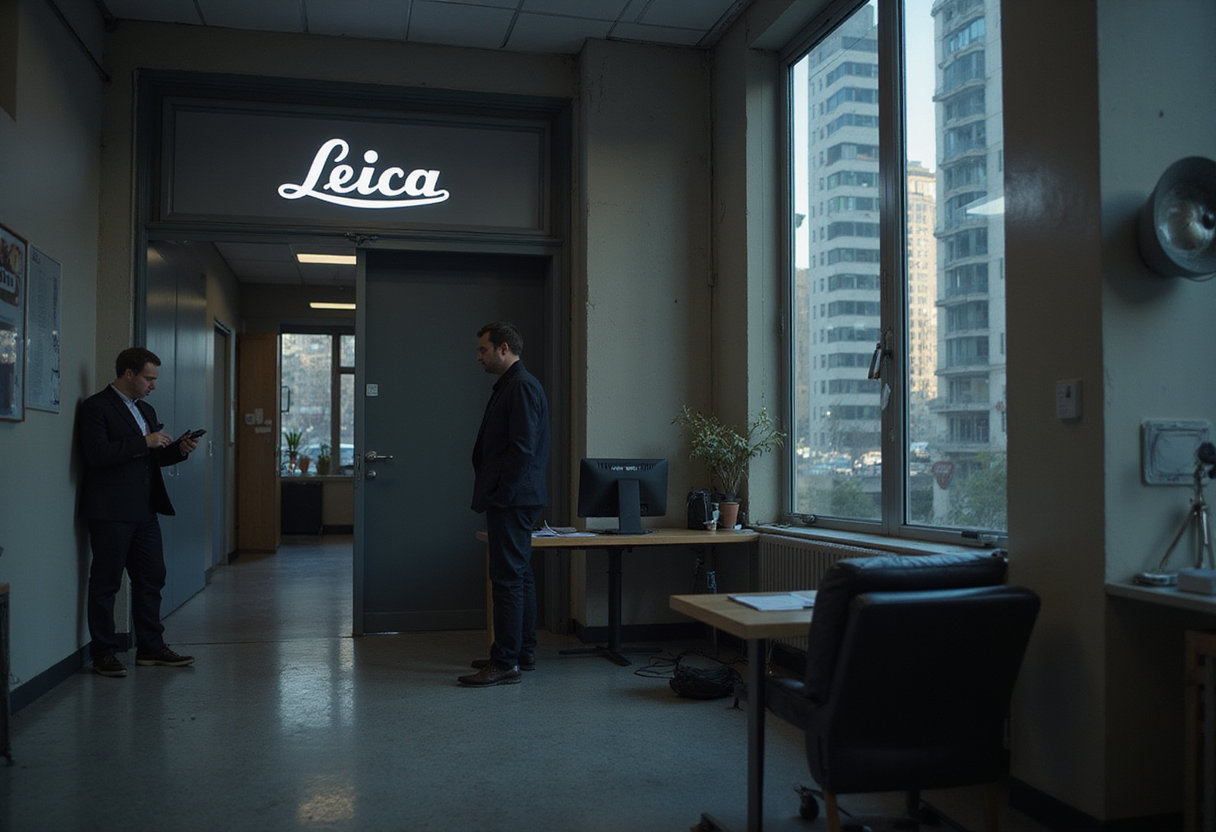
Camera manufacturers have aligned on a shared position against generative AI in photography, according to a PetaPixel report headlined "Every Camera Brand Agrees: Generative AI Doesn't Belong in Photography."
The framing matters: PetaPixel, a photo-industry outlet, treats the stance as a consensus across makers rather than an isolated corporate statement.
For working photographers and photo businesses, the reported alignment is a brand-side data point with direct bearing on client conversations, licensing language, and authenticity on assignment. It also reshapes the competitive frame around any camera line that markets generative features as a selling point.
What does "every camera brand" actually cover?
The headline points to the major imaging manufacturers whose names appear on camera bodies, lens catalogs, and firmware updates read by professional buyers.
PetaPixel's framing treats those manufacturers as a unified bloc rather than a collection of independent product roadmaps.
The aggregation changes how the statement lands with buyers and editors.
When every major camera company speaks from the same side of the question, the marketing pressure on generative features inside traditional camera lines shifts. Professional buyers evaluating a flagship body can reasonably expect that hardware to be positioned as a capture device — a tool for recording light through a lens — rather than a delivery mechanism for synthetic output generated downstream.
That expectation has price implications.
Bodies and lenses sold as capture tools command premium resale, rental, and insurance valuations tied to optical performance.
Bodies marketed as gateways to generative features face a different pricing curve, often closer to commodity electronics.
A consensus against generative AI in photography preserves the premium framing for the category as a whole.
How does this affect licensing and assignment work?
The reported consensus arrives at a moment when photo buyers increasingly ask whether a delivered file came from a camera or from a model trained on other photographers' work.
A unified manufacturer stance gives working photographers a reference point when negotiating assignment scope and deliverables.
It also sharpens the argument for documenting provenance on delivery.
File metadata, original RAW files, and verified capture chains carry more commercial weight when the major camera companies treat generative output as outside their product category.
Photographers who can produce a clean chain of custody from shutter press to final file have a defensible edge in editorial, commercial, and archival work.
For stock contributors, the alignment raises the cost of any AI-assisted shortcut that goes undisclosed at upload.
The same logic applies to assignment shooters asked to "fix" a frame with generative tools: a manufacturer consensus that AI doesn't belong in photography gives the photographer a basis to decline or renegotiate.
What does the headline leave unclear?
The PetaPixel headline does not specify which brands signed on, whether the position is a written statement or a verbal alignment, or whether any manufacturer plans firmware that flags, watermarks, or blocks AI-generated content.
The report also does not name a date, a forum, or a trade-show platform where makers aligned, nor does it cite a specific executive statement.
Without those details, working pros should treat the report as a directional indicator of where the imaging industry wants to position itself relative to generative AI.
It does not, on present evidence, bind pricing, licensing, or gear-purchase decisions today.
Treat it as a market signal that hardens into something more concrete only when brands ship product, publish standards, or sign contracts that codify the position.
What should photo businesses watch next?
The next test is whether the consensus translates into concrete product and policy moves.
Watch for firmware updates that authenticate capture through signed metadata, software updates that preserve provenance, and contract language from agencies and platforms that adopts the manufacturers' framing.
Watch also for any brand that breaks ranks — a single manufacturer shipping a generative-first body would test the breadth of the agreement.
PetaPixel's headline suggests the camera industry has decided where it wants to stand.
The working question for photographers is whether that position hardens into terms that show up in an invoice, a delivery spec, or a licensing clause that a client can be held to.
via Google News: Generative AI & photography (Source)