FR-AD8Bƒ/11 · 1/60 · ISO 400Roll /ai-imaging
Google Opens SynthID AI Detector to All Users at No Cost
Google's SynthID Detector is now free for all users, letting photographers verify AI watermarks in images, video, and audio — with real limits on what it can catch.
Processing notes
- Google made SynthID Detector publicly and freely available, announced October 8.
- The tool checks images, videos, and audio for watermarks associated with generative AI.
- Detection depends on embedded watermarks tied to Google's AI systems, limiting coverage of other models' synthetic media.
- Free access puts pricing pressure on paid third-party AI-detection services.
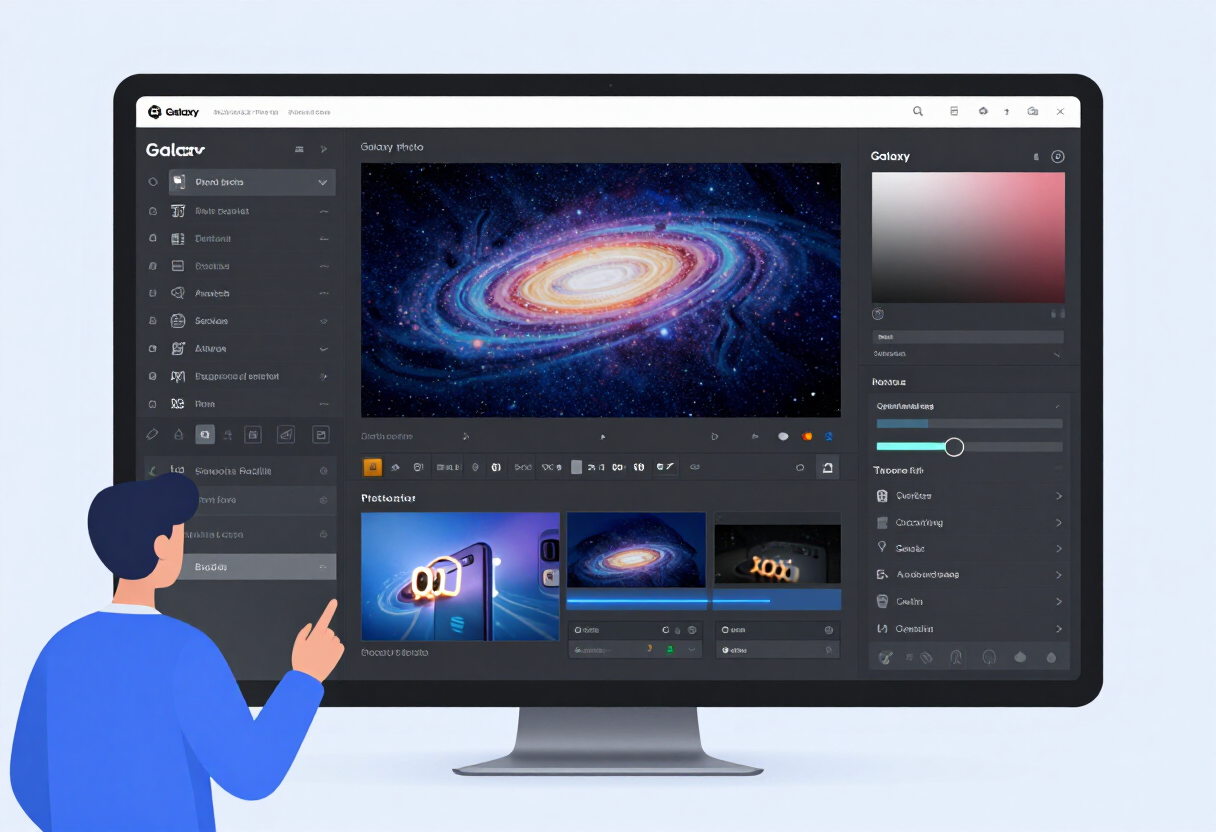
Google has made its SynthID Detector publicly available at no charge, giving photographers and photo businesses a free way to check whether images, videos, and audio clips carry watermarks associated with generative AI.
The release moves a previously restricted verification tool into open access. SynthID Detector scans uploaded media for the invisible watermarks Google embeds in content produced by its generative AI systems and reports whether an AI watermark was detected.
For working photographers, the practical application is straightforward: verifying the provenance of files before delivery, licensing, or publication. Editors, agencies, and stock platforms under pressure to distinguish AI-generated material from camera-original work can now run those checks without paying for a third-party service.
What are the tool's real limits?
The critical caveat for any business relying on this: SynthID detects watermarks associated with generative AI — and SynthID watermarks come from Google's own AI systems. The tool's detection logic depends on the presence of those embedded watermarks, not on any intrinsic analysis of whether pixels were machine-generated. Content produced by other companies' AI models that use different watermarking schemes, or unwatermarked synthetic media, falls outside what this detector can flag.
That limits its value as a standalone verification layer. A clean result from SynthID Detector does not certify that a file is camera-original; it only indicates no Google-associated AI watermark was found. Any workflow built around provenance checks — client deliverables, contest entries, stock submissions — will still need complementary methods, from C2PA content credentials to metadata inspection, to cover synthetic media originating elsewhere.
Google has not announced fee structures or tiered access; availability is free and open to all users as of the October 8 announcement.
Why does free access matter commercially?
The pricing decision is the commercially significant part. Paid AI-detection services have proliferated across the photo industry over the past two years, charging per-check or subscription fees for provenance verification. A free tool from a major platform resets expectations for what baseline watermark detection should cost — pressure that will land hardest on detection vendors whose value proposition overlaps with basic watermark checking.
For photo businesses, the calculus is now different:
- Baseline Google-watermark checks cost nothing and can slot into existing QA steps before delivery or licensing.
- Budget previously earmarked for general-purpose detection can shift toward fuller provenance infrastructure, such as signed content credentials.
- Verification responsibility in client contracts may need redrafting, since a free, widely available tool raises the standard of care agencies and publishers can reasonably demand.
The open release also widens the audience beyond enterprises and platform partners who had earlier access, putting the same checking capability in the hands of individual photographers, editors, and art buyers.
Going forward, the tool's usefulness to the photo industry will hinge on whether watermark-based detection expands to cover the growing share of synthetic media produced outside Google's ecosystem — and whether Google integrates SynthID verification deeper into the platforms where licensed photography actually circulates.
via synthid.com (Original)