FR-4139ƒ/5.6 · 1/60 · ISO 400Roll /ai-imaging
Google Photos Adds Instant Capture Path to AI Edits
Google Photos now routes freshly captured frames directly into its AI editing tools, Android Authority reports. The shift compresses the consumer imaging workflow and raises metadata and subscription questions for working photographers delivering client files.
Processing notes
- Google Photos added an in-app capture shortcut that routes new images directly into the app's AI editing tools, per Android Authority
- Likely AI destinations include Magic Eraser, Photo Unblur, and generative Reimagine edits already present in the Photos editor
- Google has not published a developer changelog entry for the feature as of the report
- The new shortcut sits inside the Android build of Google Photos; web editor behavior is unconfirmed
- Metadata handling, resolution limits, and subscription gating remain undisclosed
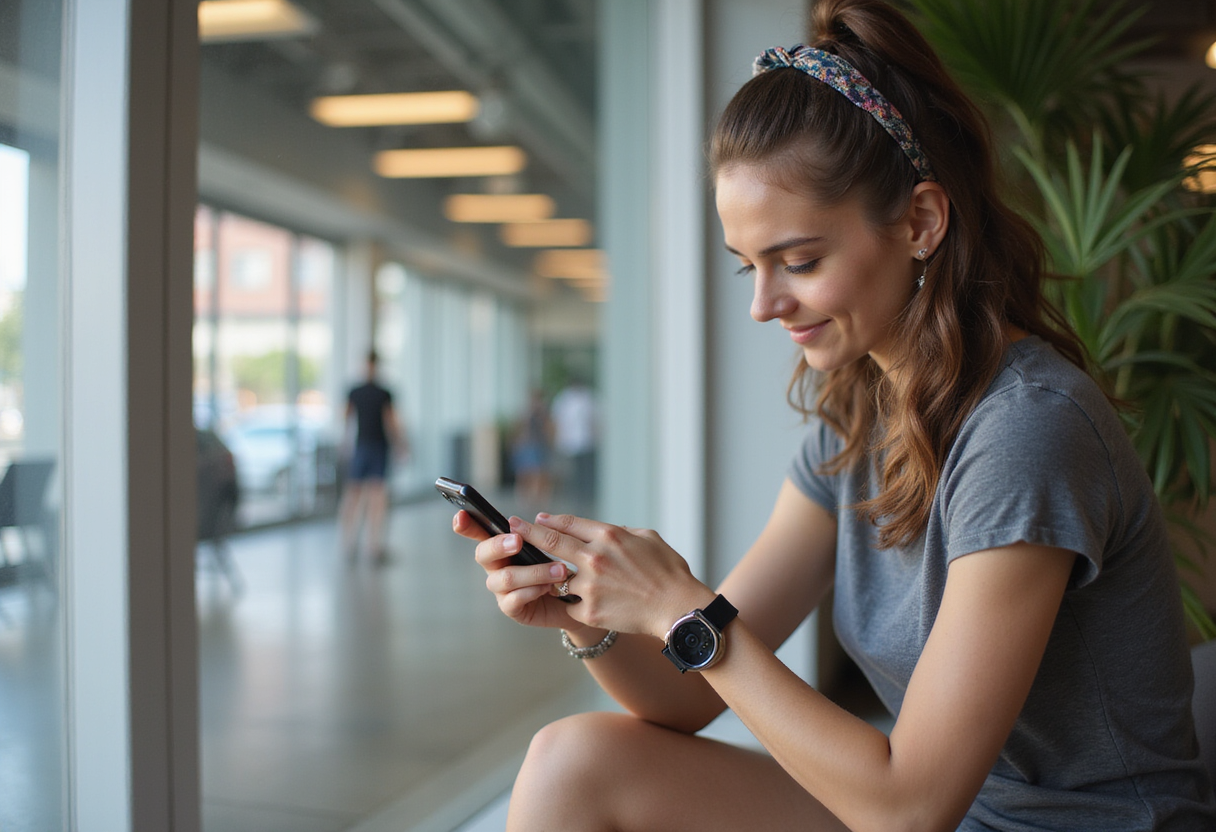
Google has rolled out a shortcut inside Google Photos that routes a freshly captured frame directly into the app's AI editing stack, according to Android Authority's report on the change.
The new flow, described in the publication's headline as an "instant" capture targeted at AI edits, sits inside the Photos app on Android and is positioned to compress the standard shoot-then-edit sequence into a single gesture.
What the feature appears to do
Based on the public reporting, a user can launch the camera from within Photos and hand the resulting image straight to the editing pipeline, bypassing the intermediate step of opening the image from the gallery. Google has not published release notes or a developer changelog entry for the feature at the time of writing, and the Android Authority item does not specify which AI tools the shortcut feeds.
The most plausible destinations are the app's existing generative and assistive tools — Magic Eraser, Photo Unblur, the Reimagine and generative-fill edits, and similar AI-based adjustments already available in the Photos editor.
Does this change working-photographer workflow?
For studio, assignment, wedding, and editorial shooters, the answer is mostly no. Paid work runs through Lightroom, Capture One, or a tethered desktop pipeline, not the consumer Photos stack. A one-tap shortcut to a consumer AI editor does not move a catalog, a tethered shoot, or a deliverable proofing session.
Three places the change could register:
- Client galleries delivered through Photos. Photographers who hand shared albums to non-technical clients gain a faster path for buyers to "snap and fix" selfies, family-event stills, or quick social posts.
- Casual client requests. A fast social-media crop after a portrait session — background cleanup or relighting — becomes a one-step action rather than a download-and-reupload round trip.
- Competitive spacing. Google's move widens the gap between its consumer offering and dedicated suites. Apple Photos, Samsung Gallery, and Adobe's mobile Photoshop app are the closest comparators; none currently pair native capture with generative edits in a single fluid motion.
What remains unclear
Several operational details go unaddressed in the Android Authority report:
- Device compatibility and minimum OS version
- Whether the shortcut requires a Google One subscription or any paid tier
- Resolution and bit-depth handling on capture
- Whether EXIF, IPTC, and copyright metadata survive the AI-edit step
- Interaction with RAW capture and HDR+ pipelines already present on Pixel hardware
For working pros shipping client files, those gaps matter. A generative edit that strips a copyright notice or downsamples a 50-megapixel original to a web-resolution JPEG is a quiet liability, especially when the image is then forwarded onward with no provenance trail.
What to watch
Google is folding capture and AI-edit into a single motion inside Photos, a small but telling compression of the consumer imaging pipeline. Whether the same shortcut reaches Google's web-based Photos editor, surfaces inside the Pixel camera app, or extends to RAW and Pro captures will determine whether the change registers at all inside a working studio.
via Google News: Generative AI & photography (Source)
More from Nathan Brooks
Show full bio
Correspondent covering marketplaces and e-commerce at Photo Trade Wire.
54 articles