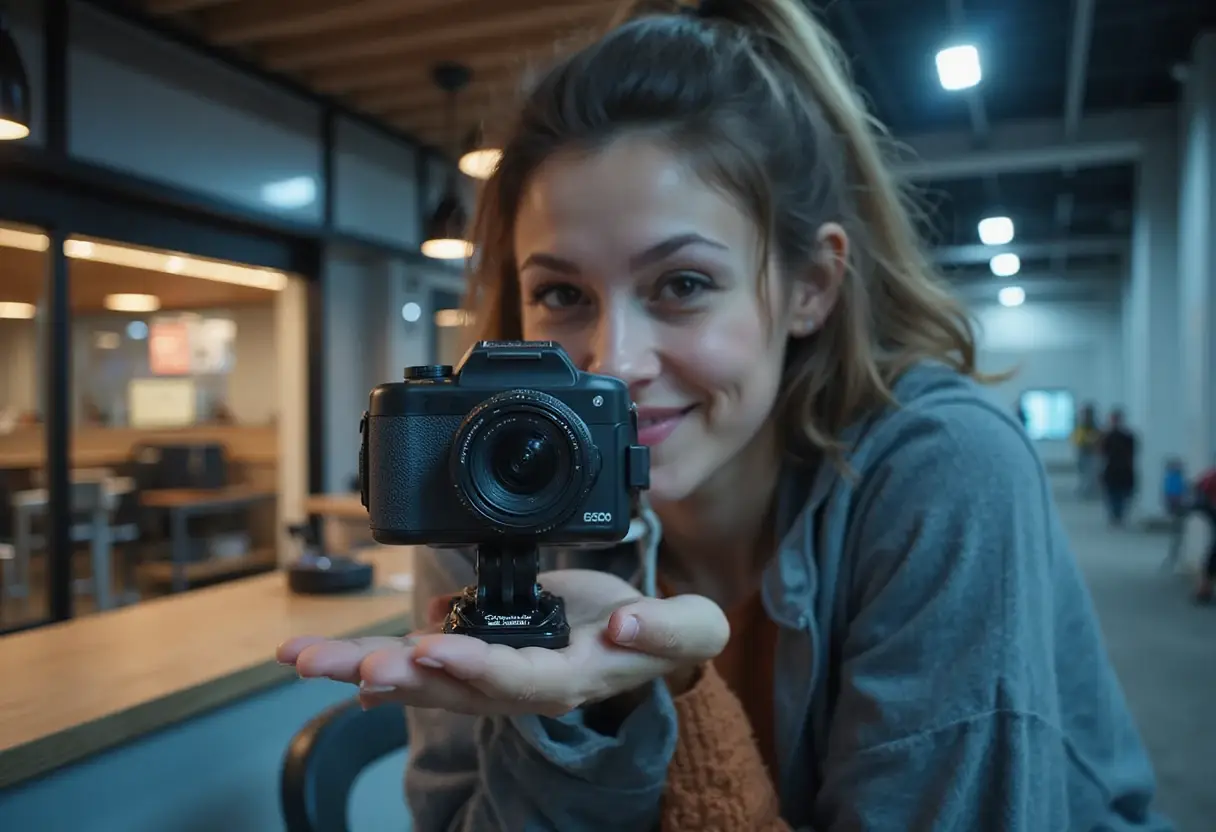
GoPro Mission 1 Pro ILS Stills Pass Three Demanding Lab Tests
Lab tests found 50MP detail, dynamic range matching three conventional cameras and unusually low noise, while flagging raw processing and missing price details.
Processing notes
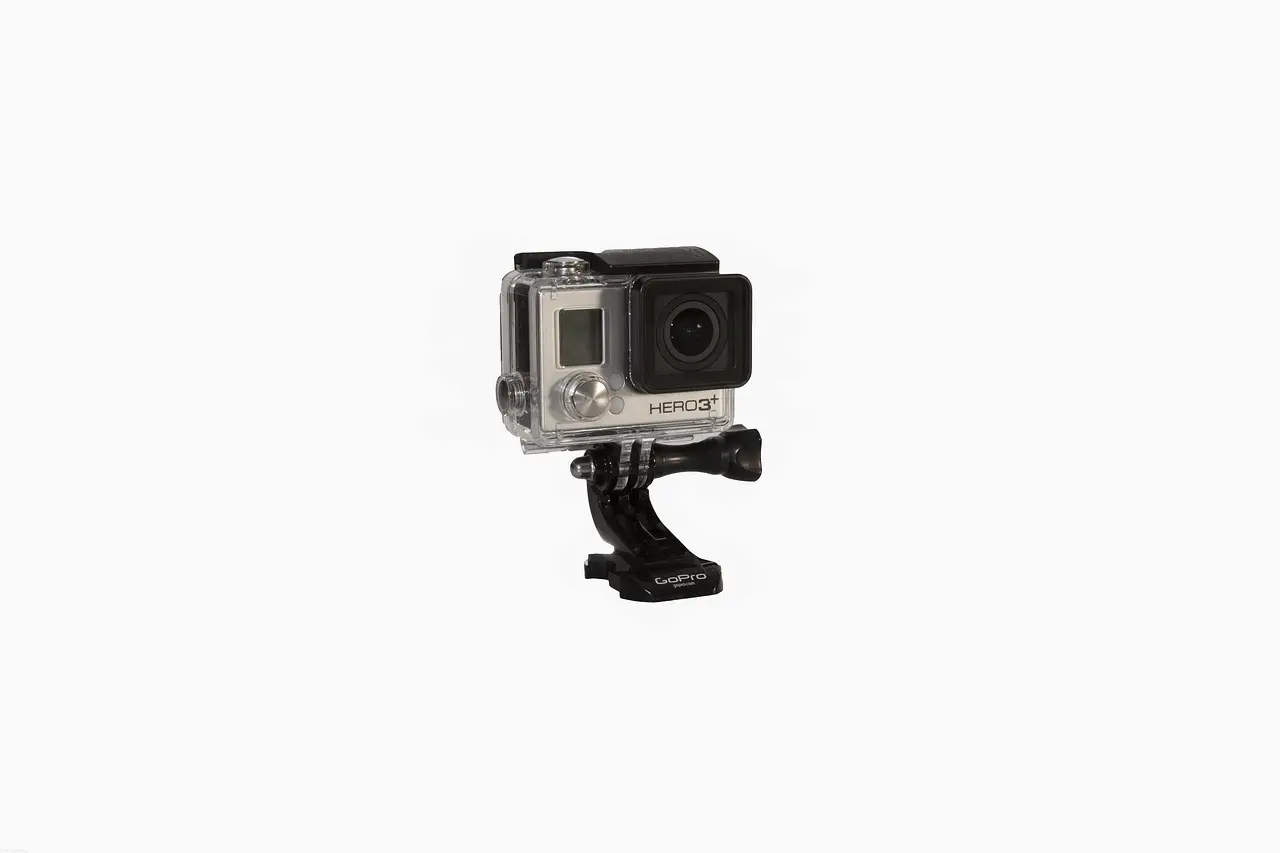
- The GoPro Mission 1 Pro ILS uses a 1-inch, 50MP sensor and can mount a manual Micro Four Thirds lens for aperture control.
- In resolution testing, the Mission 1 Pro ILS resolved more fine detail than the full-frame 24.5MP Nikon ZR.
- The GoPro matched Canon, Nikon and Panasonic cameras in dynamic range at low-to-mid ISO and slightly beat the PowerShot V1 and GH7 at ISO 1600 and 3200.
- The camera reaches ISO 6400, but the lab could not produce a reliable score because manual shutter-speed choices were restricted.
- Measured signal-to-noise performance showed less noise than the Canon and Panasonic and neared the full-frame Nikon ZR’s clarity.
The GoPro Mission 1 Pro ILS produced 50-megapixel stills that resolved more fine detail than the Nikon ZR’s 24.5MP full-frame sensor in lab testing, despite the GoPro’s much smaller 1-inch sensor. That is an unusual result for a category built around go-anywhere toughness and highly stabilized video, with still-image quality usually secondary.
Ben, Imaging Labs manager for Digital Camera World and Future’s photography portfolio, said: “I wasn't expecting it to score well. I was wrong!” His lab normally reserves its detailed procedure for still and hybrid cameras, testing resolution, dynamic range (shadow-to-highlight latitude) and signal-to-noise performance.
GoPro action-camera expert Adam Juniper proposed the camera because it offered manual ISO (light-sensitivity) and shutter-speed controls. A separate manual Micro Four Thirds lens, or MFT lens, supplied aperture control through its ring, while Raw capture (image data for fuller tonal analysis) avoided the dynamic-range and signal-to-noise distortions possible in JPEG files (compressed images).
How the comparison was built
The lab normally compares a camera with three direct rivals. Because it had no previously tested action-camera peers, it selected three conventional references instead:
- Canon PowerShot V1: an accessibly priced vlogging camera.
- Nikon ZR and Panasonic GH7: video-focused interchangeable-lens cameras.
These cameras provide context, not a like-for-like action-camera benchmark. The absence of direct rivals also leaves the Mission 1 Pro ILS without the usual peer comparison.
What the measurements showed
- Resolution: The Mission’s 50MP sensor resolved more fine detail than the Nikon ZR’s 24.5MP full-frame sensor. Its resolution score placed it in a class of its own.
- Dynamic range: The GoPro matched the Canon, Nikon and Panasonic at low-to-mid ISO settings. It slightly beat the PowerShot V1 and Lumix GH7 at ISO 1600 and ISO 3200.
- ISO range: The camera extends to ISO 6400, but restricted manual shutter-speed options prevented the lab from producing a reliable score at that setting.
- Signal to noise: This ratio compares random noise with the actual image information, so a higher score means cleaner results. The GoPro produced noticeably less noise than the Canon and Panasonic and approached the full-frame Nikon ZR’s clarity.
The small-sensor theory took a beating. Packing 50 million pixels onto a 1-inch sensor requires small, less light-sensitive pixels that should generate more noise. The measured result ran the other way. The report says performance would likely deteriorate rapidly if GoPro enabled higher ISO settings, but that outcome went unmeasured.
The raw-file asterisk
The strong numbers still carry an asterisk. The camera’s still-image settings are nowhere near as granular as those of a typical mirrorless interchangeable-lens camera, so the lab cannot rule out a dynamic-range boost or noise reduction applied before the camera saved the Raw file.
Ben’s field verdict was blunt: “The take-home here is that the GoPro Mission 1 Pro ILS doesn't just produce excellent image quality for an action camera; it's just excellent. Period.” His practical point was that a photographer is unlikely to worry about the processing contribution while shooting.
What does this change for working photographers?
For a photographer combining action video with client stills, the measurements support treating the Mission 1 Pro ILS as a potential compact second body rather than dismissing stills as an accessory feature. Its 50MP detail could support cropping, while the measured dynamic range and low noise broaden its field workflow.
It does not prove that the camera can replace a conventional stills body. ISO 6400 went unmeasured, high-ISO shutter control is restricted, and the processing contribution remains unresolved.
For a business buyer, however, the report stops short of a commercial decision. It gives no retail price, shipping date or availability, and therefore no clear cost, deployment schedule or return-on-investment case. Studios need those figures before assigning the camera a budget or promising it on paid work.
The measured performance has earned this camera a serious technical review. It has not yet earned a place on the invoice.
via digitalcameraworld.com (Source)
More from Elena Vasquez
Show full bio
Staff writer covering money, funding and market shifts around professional photography industry at Photo Trade Wire.
137 articles