Hasselblad X2D II 100C Now Tethers Direct to Capture One
Hasselblad’s X2D II 100C can send 100MP, 16-bit images over USB to Capture One for tethered review, grading and masking. Specific firmware and software versions are required.
Processing notes
- November 18, 2026: Hasselblad and Capture One announced immediately available tethering for the X2D II 100C.
- The workflow transfers 100MP, 16-bit images at full resolution over USB.
- Requirements include camera firmware 1.4.15.7, Capture One 16.9.1 desktop or Capture One Mobile 4.3.0, and a USB cable.
- Tethering remains limited to the X2D II 100C; the original X2D 100C and CFV 100C are not included.
- New Capture One users receive an exclusive 90-day trial.
Hasselblad X2D II 100C photographers can now shoot tethered directly into Capture One, a workflow announced on November 18, 2026 and available immediately. The USB link transfers every 100-megapixel, 16-bit frame at full resolution to the application.
Photographers can then review, grade and mask images before export. Here, grading means adjusting tone and color, while masking means limiting an adjustment to a selected area.
The feature extends a July collaboration between the two Scandinavian companies. That release added native support for Hasselblad RAW files (unrendered camera originals), Capture One’s full editing toolset and dedicated XCD lens profiles (camera-specific lens corrections). Tethering had been promised for later in 2026, but the release arrived about six weeks early.
What changes during a tethered shoot?
Once the camera is connected by USB, the stated workflow places each full-resolution file in Capture One as soon as the photographer takes it. Grades and masks applied to one frame carry over to subsequent shots, reducing repeated setup at the workstation.
Photographers can check focus and exposure while the set remains live and nobody has moved. On a 100MP, 16-bit file, catching a soft eye on screen beats discovering it in post.
For studio portrait, still-life and commercial work, clients and art directors can view the same file as the photographer. That shifts feedback into the shoot, where corrections can happen before the set closes rather than after the session.
Bronius Rudnickas, Global Marketing Manager at Hasselblad, said:
“We are always listening to our photographers, and tethering support for Hasselblad cameras was one of the top requests when our collaboration with Capture One was announced earlier this year. We are delighted that this workflow option is now available, giving Hasselblad photographers and creatives worldwide greater flexibility in their creative journeys.”
Rudnickas linked the release to user demand, although the announcement does not quantify how many photographers requested tethering.
Rafael Orta, CEO of Capture One, framed the change this way:
“Hasselblad photographers have had the editing workflow since July, and now they have the full picture. You pick up your camera, you plug in, and it just works.”
Orta’s description emphasizes a short setup path, but the announcement provides no transfer-rate figures, latency measurements or host-computer test results. It also lists no separate tethering accessory beyond a USB cable. The practical test will occur on assignment, where immediate 100MP review may shorten client approval cycles without interrupting capture.
What does the update require?
Existing X2D II 100C owners need the following:
- Camera: X2D II 100C with firmware 1.4.15.7
- Software: Capture One 16.9.1 for desktop, or Capture One Mobile 4.3.0
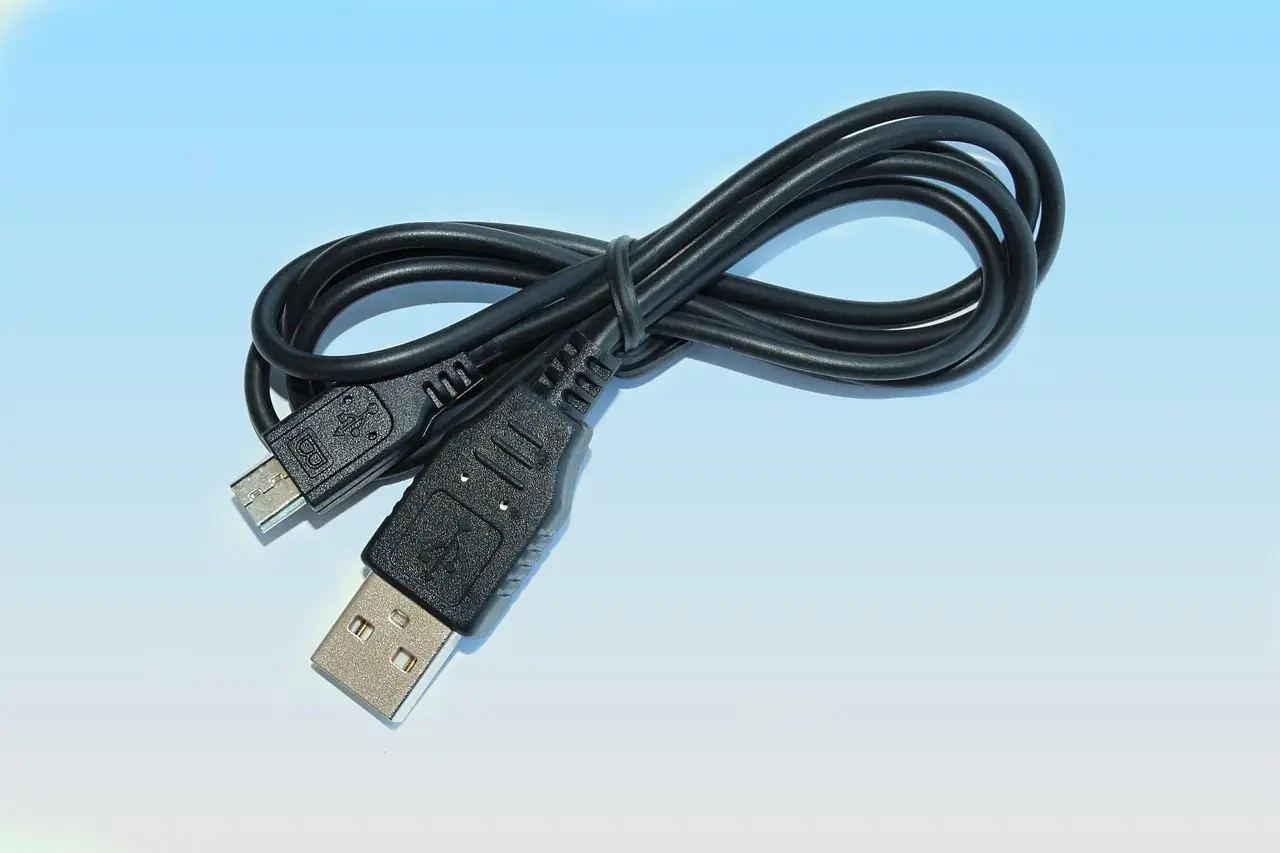
- Connection: a USB cable
The required firmware and applications are available now. Current Capture One users can update the desktop or mobile application and camera firmware, then connect the cable and begin shooting. The stated setup does not require a second camera body, although the announcement does not specify a cable standard or list compatible host computers.
Which cameras remain outside tethering?
Tethering is limited to the X2D II 100C for now. The original X2D 100C and CFV 100C digital back gained native Hasselblad RAW support in Capture One 16.8.3 and Mobile 3.3.4 in July, but the announcement does not offer tethering for either product.
That distinction matters to studios and rental houses that maintain mixed camera packages. The older products provide RAW editing inside Capture One, not the new live connection, so a booking cannot assume that every Hasselblad body can serve as a tethered source.
What does the 90-day trial change?
New Capture One users can test the workflow through an exclusive 90-day trial. The offer gives photographers time to evaluate live review, editing and masking on a few real shoots before committing to a subscription.
The announcement does not state the subscription price, renewal terms or whether the trial includes every Capture One product. Existing users receive a direct software-and-firmware update path. Businesses should confirm those commercial terms before treating the trial as a purchasing decision.
What should studios test next?
A controlled live assignment should test whether the specified camera, software and cable improve the handoff between capture, client review and final export. The relevant measure is time spent resolving focus, exposure and client feedback, because any saving in those stages affects the number of shots delivered within a booked session.
Beyond this update, the next meaningful compatibility expansion would determine whether tethered Capture One becomes standard across mixed Hasselblad fleets. Until then, studios planning the next production cycle should treat the X2D II 100C as the only supported tethered body.
via captureone.com (Original)
More from Amara Osei
Show full bio
Market editor covering companies, deals and strategy in professional photography industry at Photo Trade Wire.
167 articles