Honor's Arri Cinema Mode Shoots LogC3 on a Phone — and It's Close
Honor's Magic9 Pro Max records 4K60 in Arri's LogC3 across two 200MP cameras — an Arri first. Side-by-side Alexa tests were 'surprisingly close,' with 87 LUTs but no ultra-wide support and no 120fps.

Processing notes
- Arri Cinema mode records up to 4K/60fps in LogC3 at base Exposure Index 160 on dual 200MP cameras.
- Arri certified two sensors to the LogC3 curve in one device — a first for the company.
- 87 downloadable LUTs from Arri Media work in DaVinci Resolve; users cannot organize or delete them.
- The ultra-wide camera is excluded from Arri mode; the partnership was roughly six months old at the October 2026 visit.
- Arri previously certified LogC3 on Panasonic's Lumix S1R II, GH7 and GH6.
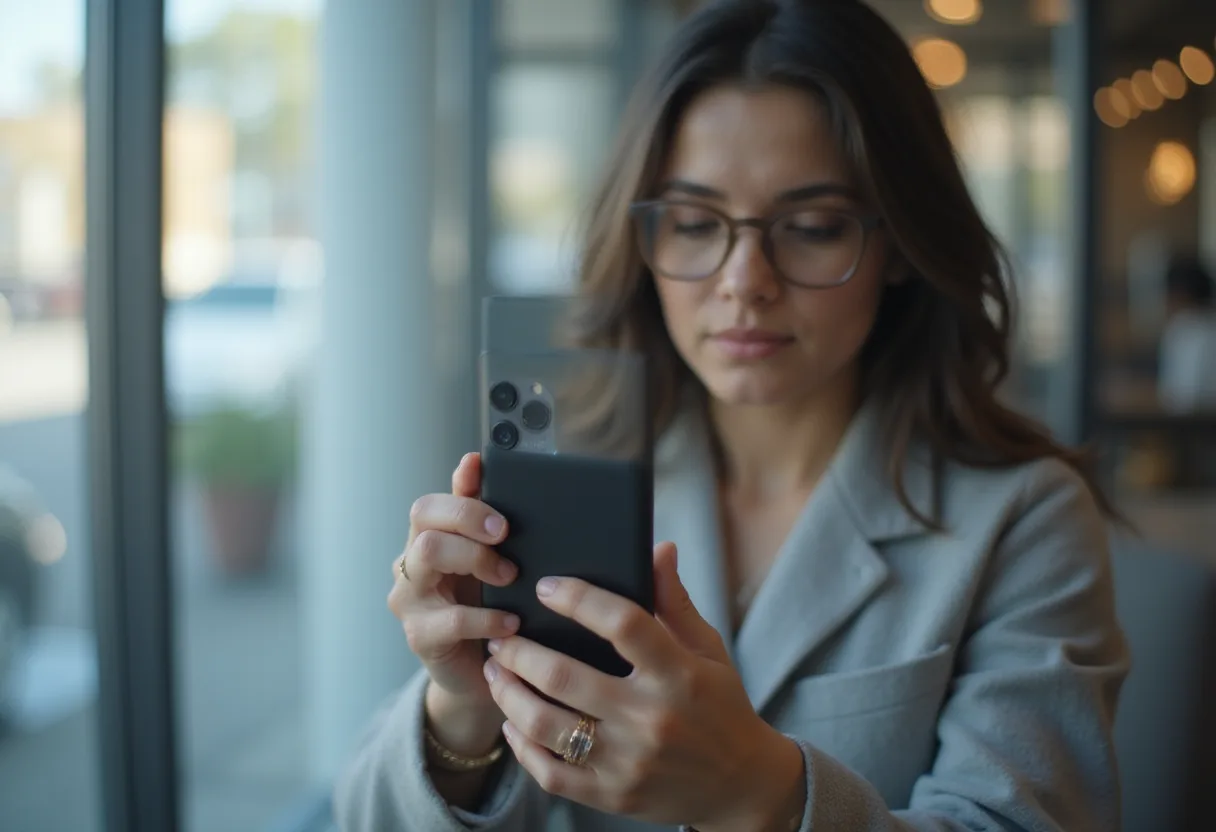
Honor's Magic9 Pro Max now records video in Arri's LogC3 encoding at up to 4K/60fps, the first time a smartphone has matched multiple sensors — a 200MP main and 200MP telephoto — to the logarithmic curve Arri built for its pre-Alexa 35 cinema cameras. Arri says both cameras track the curve almost perfectly, a first for the company, which had never matched multiple sensors in a single device before. A hands-on session at Arri's Burbank studio in October 2026, where an Alexa and the phone shot the same set side by side, found the clips "surprisingly close," with Arri keeping an edge in skin-tone clarity and gradation, but not by the margin the price gap would suggest.
For working shooters, that verdict lands in a crowded field. The reviewer concluded the results "not only compete with the likes of Vivo and Oppo, but also fire a real warning shot at Apple," adding, "I'm no longer convinced the iPhone is the smartphone video king."
What does Arri Cinema mode actually deliver?
The spec sheet reads like a cinema camera's, minus the sensor. Main and telephoto cameras (24mm and 85mm equivalents, both CIPA 8-rated stabilization) record in LogC3 at a base Exposure Index of 160, in 2.39:1 or 16:9. Frame rates run 24, 25, 30, 50 and 60fps at 4K or 1080p, with the APV 10-bit codec as a ProRes alternative at smaller file sizes inside DaVinci Resolve. Missing: 120fps, which stays in the standard Video mode with, at best, a vague connection to Arri's color science.
The base EI of 160 needs unpacking. Arri cameras sit at base for maximum dynamic range; on a phone's much smaller sensor, that means the Magic9 Pro Max needs more light to hit its sweet spot than an Alexa would. Noise at higher EI settings in dim scenes is where Honor's silicon has to earn its keep.
The mode ships with 14 built-in LUTs plus 87 downloadable looks from Arri's Media post-production house — black-and-white variants, period film emulations, seasonal grades, teal-and-orange — all compatible with DaVinci Resolve, and custom LUTs import freely. The workflow catch: no way to rearrange, organize or delete LUTs once added. Load all 87 and finding one becomes an endless scroll. Honor reps said they'll look at fixing it.
Whose hardware is this, really?
Arri's contribution is image science, not optics. Unlike Xiaomi-Leica, Vivo-Zeiss or Oppo-Hasselblad, no lens collaboration exists here, and Arri personnel made no contributions to the phone's hardware design. Honor's own H1 imaging chip works in the RAW domain for what the company calls "lossless noise reduction and extra dynamic range," pairing with the Snapdragon 8 Elite Extreme Gen 6; Honor was coy about how the two chips divide the work. Honor's French team and Arri in Munich exchanged weekly ISP software revisions during a development cycle that, at the time of the visit, was only about six months old.
That compressed timeline explains the ultra-wide's absence from Arri mode. Honor says it left the lens out rather than rush, preferring to "get it right first," since main and telephoto each required custom curves and color matching. Whether the third lens arrives via software update or a future device is unclear.
Arri's own charts show the limits honestly: the phone clips in highlights because its sensor isn't custom-designed like Arri's "expensive" ones, and the sensor-size gap makes the phone's dynamic range far more software-driven than an Alexa's.
Why is Arri doing this?
It's a licensing play aimed at reach. Arri reps note cinema remains the priority even as the high-end cinematography market shrinks amid falling competitor prices. Licensing color science puts Arri Looks and post-production workflows in front of people who will never buy a cinema camera. The company previously certified Panasonic's LogC3 implementation on the Lumix S1R II, GH7 and GH6 — a smartphone partnership is simply more mainstream.
Audio gets five directional options — Standard, Long-range, Close-up, Voice isolation, Voice boost — better than expected, with external mic support retained. One head-scratcher: standard Video mode locks 4K to the Vibrant style; any other style drops resolution to 1080p for no stated reason. A software update should fix it.
Both brands were noncommittal on extending the color science to stills — Arri admits little stills experience but wants it; Honor declined roadmap talk. On the evidence so far, the partnership won't stop at a few devices.
via PetaPixel (Source)
More from Nathan Brooks
Show full bio
Correspondent covering regulation, policy and their impact on professional photography industry at Photo Trade Wire.
150 articles