FR-37ADƒ/4 · 1/250 · ISO 400Roll /industry-news
Kodak Exits Still Photography Business, ABC News Reports
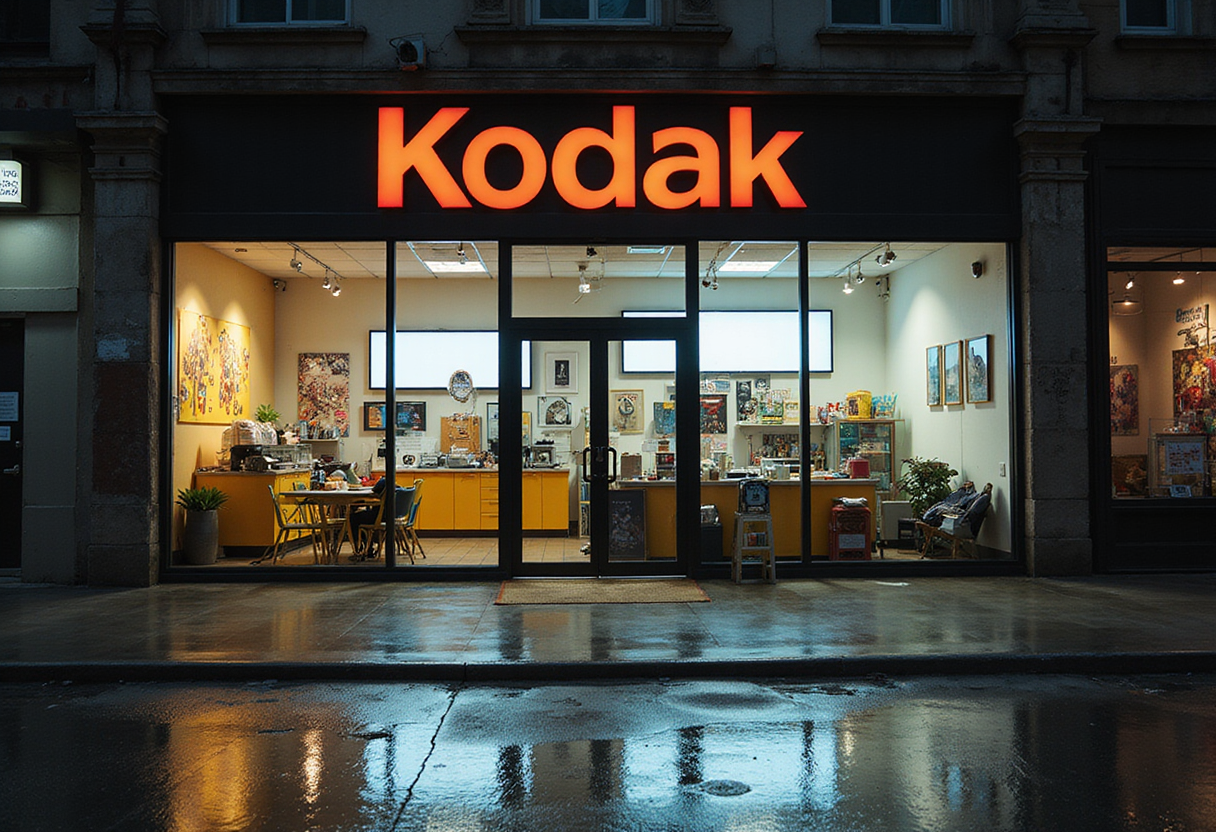
Eastman Kodak is exiting the still photography business, ABC News reports, ending more than a century in the market it built. No timetable or product details have been announced yet.
Processing notes
- Eastman Kodak is exiting the still photography business, ABC News reports
- No timetable, product scope or financial terms have been disclosed
- The exit ends Kodak's presence in the market that defined the company for over a century
- Supply continuity for remaining Kodak film, chemistry and papers remains unconfirmed
Eastman Kodak is exiting the still photography business, ABC News reports, closing out more than a century of involvement in the market it effectively built.
The report gives no timetable, product-by-product breakdown, or financial terms. What it does confirm is the strategic endpoint: Kodak will no longer operate in the business that long defined it. For a company whose name was synonymous with consumer film, the exit marks the final retreat from its core historical market.
What does this change for working photographers?
For professionals still shooting film — wedding, editorial and fine-art photographers who buy motion picture stock or remaining still-film emulsions — the practical question is supply continuity. An exit from still photography signals that current film products, chemistry and papers will wind down on a schedule Kodak has not yet published. Photographers with film-dependent workflows should expect discontinuation notices rather than guaranteed long-term availability, and may want to secure stock for committed client work while it remains on shelves.
For the broader trade, the impact is more archival than operational. The overwhelming majority of professional image-making has already moved to digital capture, and Kodak's own digital transition lagged competitors for years. The exit formalizes a market shift that happened over the previous decade, when sales of film cameras and film itself collapsed as digital SLRs took over client work.
What we know, and what we don't
The ABC News report is a headline-level confirmation. It does not specify:
- Which product lines end first, or when
- Whether any still-film manufacturing is sold, licensed or simply shuttered
- Terms of any divestiture or buyer
- Job numbers affected at Kodak's manufacturing operations
That distinction matters. "Exiting the business" can mean a sale to another manufacturer that keeps emulsions in production — as later happened with other legacy film brands — or a hard stop. The report does not say which path Kodak is taking, and photographers making gear-investment or stockpiling decisions should treat the announcement accordingly.
The business context
Kodak's retreat from still photography is the culmination of a long revenue decline in its film business, which once anchored the company's profits. The company that popularized roll film and the consumer snapshot spent its final years in that market chasing a digital imaging business it had pioneered in research but failed to commercialize at scale.
For photo retailers, labs and rental houses still holding Kodak still-photography inventory, the exit announcement is a signal to reassess stock levels and communicate timelines to film-shooting clients before Kodak publishes its own discontinuation schedule.
Until Kodak details the wind-down — dates, product scope and any licensing arrangements — the confirmed fact is the direction: out of still photography, after more than a hundred years in it.
via Google News: Photography business (Source)
More from Grace Kim
Show full bio
News editor covering technology and product news in professional photography industry at Photo Trade Wire.
80 articles