FR-A9BAƒ/2.8 · 1/60 · ISO 400Roll /ai-imaging
Meta's Instagram Effect Builder Turns Prompts Into Story Effects
Meta's new Instagram Effect Builder generates Story effects from text prompts and publishes them to all users — free to create, free to use, paid only in profile links. US adults only for now.

Processing notes
- Meta launched Instagram Effect Builder, a free web tool creating AI Story effects from text prompts
- Every created effect becomes available to all Instagram users, with a link back to the creator's profile
- Access is limited to adult Instagram users in the US at launch
- Instagram Edits launched on iPhone in 2025, with the Mac version released days ago
- Edits exports in multiple aspect ratios for use on any platform, not just Instagram
Meta launched Instagram Effect Builder this week, a free web-based tool that generates AI imagery for Stories from a text prompt — no design skills, no coding, no Spark AR download. For working photographers and commercial studios, the significance is less the tool than the licensing terms attached to it: anything you create becomes usable by every Instagram user, instantly, for free.
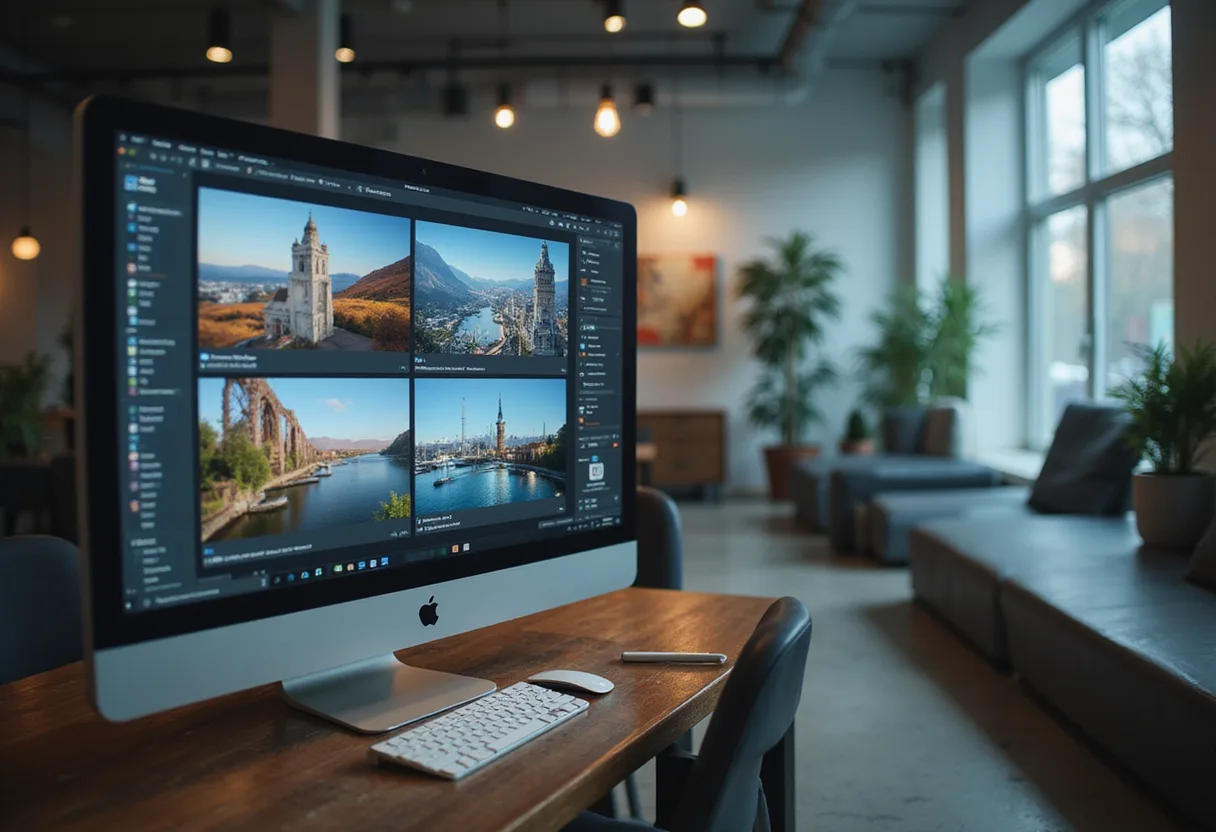
The tool sits alongside Instagram Edits, the free video editing app Meta shipped for iPhone in 2025. A Mac version followed just days ago, and Meta is framing Effect Builder as an expansion of that ecosystem rather than a standalone product. The desktop Edits app offers a larger workspace, more precise editing controls and customizable keyboard shortcuts, and it exports and uploads in multiple aspect ratios — meaning output can serve any platform, not just Instagram.
Effect Builder works differently. It's browser-based, prompt-driven, and tightly coupled to one platform's Stories format.
What does Meta actually promise?
The company's pitch is minimal-friction creation. In its launch statement, Meta said: "With Effect Builder, you don't need design or coding skills, or prior experience making effects. Describe the look you want, preview it on your own photos, and publish."
The compensation model, such as it is, runs on attribution. Meta's statement continues: "The effect shows up in Instagram Stories for anyone to use, and whenever someone uses your effect we'll link back to your profile so that it's easy for others to find your work."
That's the entire deal. No revenue share. No licensing fee. No opt-out. Your effect is published into a global pool, and the return is a profile link inside someone else's Story.
Who gets access — and what's missing?
Availability is narrow at launch: adult Instagram users in the US only. Meta hasn't said when, or whether, that expands to other regions, and it hasn't published details on the underlying model, content restrictions, or how it handles prompts involving real people's likenesses.
Also unstated: whether effects built on your uploaded photos train Meta's systems, and whether commercial brands can be held to the same open-use terms they'd face with any other user's effect. If a brand uses your effect in a paid campaign, your compensation remains a profile link.
For photographers who've built AR filter businesses on Spark AR — or who license looks and LUTs as a product line — this reads as another zero-price entrant into a market that was already compressing. The upside argument: a well-used effect functions as distribution, potentially driving profile traffic that converts to bookings. The counterargument: distribution without payment is exposure, and exposure doesn't cover gear costs.
The business-model takeaway
Edits itself is genuinely useful as a free cross-platform video editor, and its Mac desktop version adds enough control to slot into a working pipeline. Effect Builder is a different proposition: a promotional tool, not a revenue tool. Anyone treating it professionally should go in expecting a link, not a check — and should think hard before previewing effects on client work, since publishing appears to be the default trajectory of anything created inside it. Expect Meta to expand access and, eventually, to clarify commercial terms; until then, assume the attribution is the whole contract.
— Tom Whitfield
via 9to5mac.com (Source)
More from Tom Whitfield
Show full bio
Senior reporter covering technology and product news in professional photography industry at Photo Trade Wire.
114 articles