FR-3756ƒ/2 · 1/125 · ISO 400Roll /ai-imaging
New York State Targets AI Models in Product Advertising
New York regulators are moving against AI-generated models in product advertising, joining a small group of jurisdictions policing synthetic performers in commercial imagery.
Processing notes
- Practical Ecommerce reports New York is targeting AI models in product advertising
- AI-generated performers have proliferated in e-commerce catalogs since 2023
- Product-ad work covers beauty, apparel, cosmetics, and home goods shoots
- Photo briefs are typically booked 30 to 90 days in advance
- Regulatory text, sponsor, and effective date for the New York action remain unpublished
New York regulators have set their sights on AI-generated and AI-altered models appearing in product advertising, according to a Practical Ecommerce report. The action places the state among a small group of jurisdictions moving to police synthetic performers in commercial imagery, a category that has grown rapidly across e-commerce catalogs since 2023.
What does the action cover?
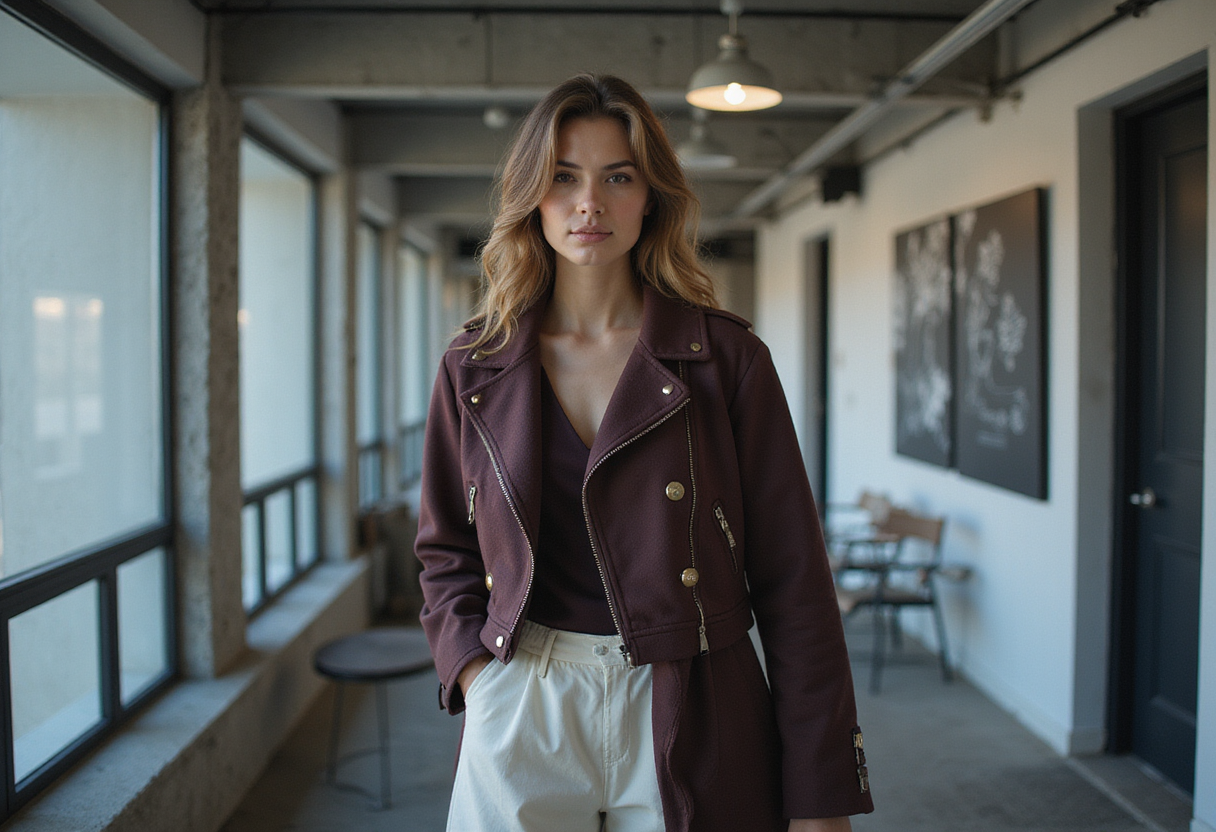
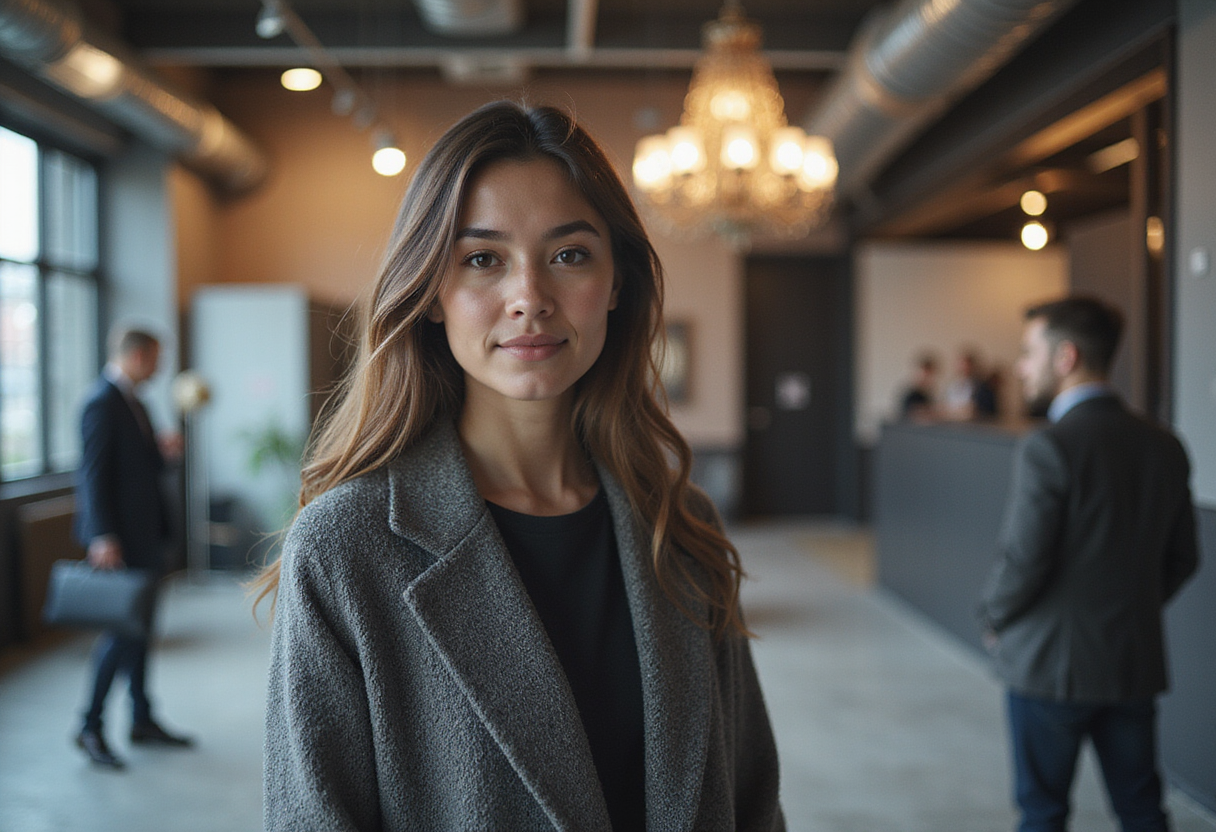
The headline gives the outline; the specifics of the New York action remain thin in public reporting. Based on the scope named in the headline — product advertising — the target is advertising creative in which human likenesses are produced, altered, or substituted by generative AI tools, rather than incidental use in editorial or social media. Working photographers should read this as covering commissioned lifestyle, beauty, fashion, and e-commerce shoots where AI tools now augment or replace on-camera talent.
Why it matters for working photographers
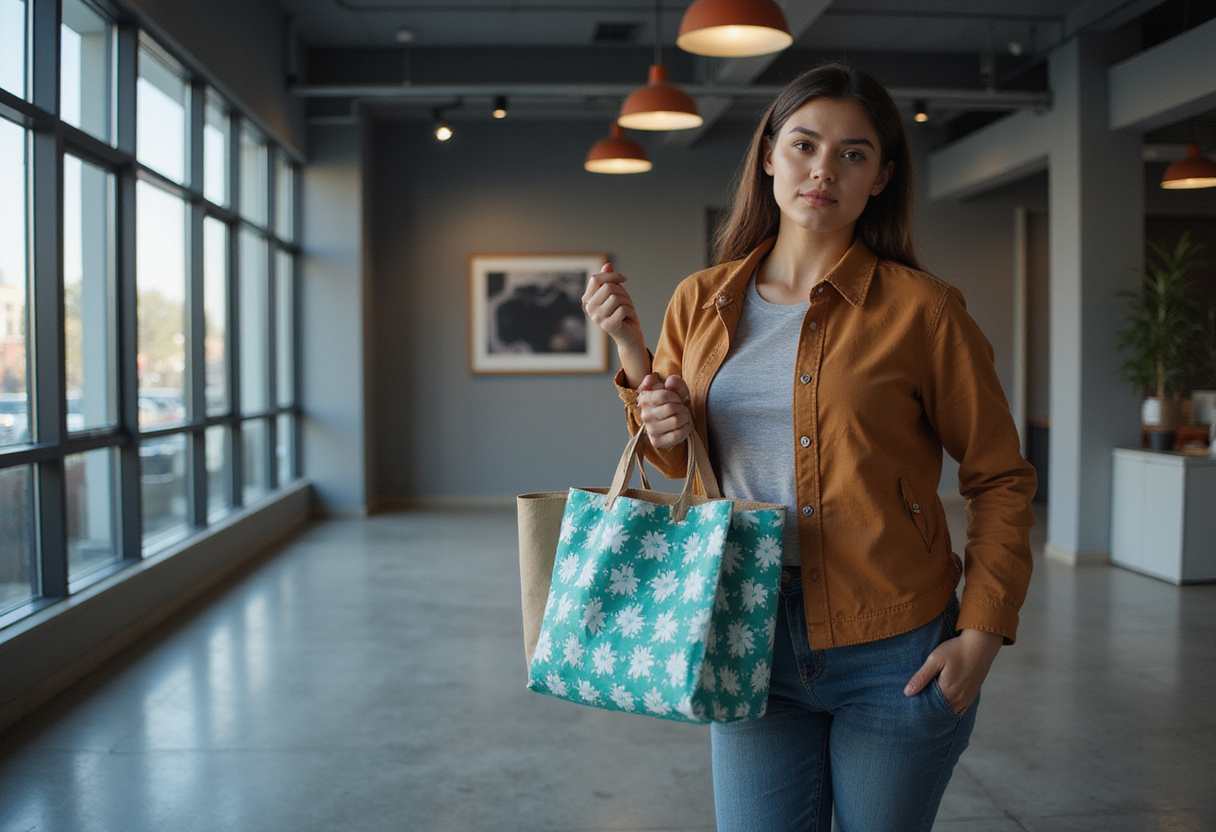
Product-ad work remains one of the most consistent revenue streams for commercial still photographers, particularly in beauty, apparel, cosmetics, and home goods. If New York restricts AI-only models or unconsented AI alterations of real subjects in paid placements, agencies and brand clients will need to:
- Disclose synthetic performers on invoices and delivery specs
- Update talent releases to capture AI training and re-use rights
- Re-budget productions that lean on AI image extension, face-swap, or body-alteration tools
For photographers whose pricing assumes AI-assisted post-production, fee structures may need to separate captured from generated deliverables, similar to the stock industry's existing split between editorial and commercial licensing.
What details are still missing
Three pieces of information will determine how disruptive the rule becomes:
- Scope: whether it applies only to ads running inside New York or to any campaign featuring a New York-based brand or retailer
- Penalties: whether enforcement targets platforms, brands, or the agencies buying the imagery
- Effective date: when obligations begin, since most photo briefs are booked 30 to 90 days in advance
Practical Ecommerce has not yet published the underlying details of the New York measure. Until that body of reporting appears, agencies will likely continue scheduling AI-augmented shoots while flagging deliverables that may need re-cutting for the New York market.
Treating the claims as data
Platform and vendor claims about AI's role in advertising creative have run ahead of measurement. Conversion studies, click-through data, and engagement metrics comparing AI-model ads with conventionally shot campaigns are not publicly aggregated at scale. Working photographers evaluating which clients to keep should ask buying teams for case-specific numbers rather than rely on vendor talking points.
A standard reporting habit worth keeping: distinguish shipped policy from rumored drafts. As of now, only the headline fact — that New York is acting — is confirmed; the regulatory text, sponsor, and implementation timeline remain to be published.
Looking forward, the next 30 to 60 days will test whether the New York action produces a model other states copy, or settles into a single-state compliance layer that brands route around. Photographers holding product-ad contracts should request written agency guidance on disclosure language and re-use rights before the next brief lands.
via Google News: Generative AI & photography (Source)