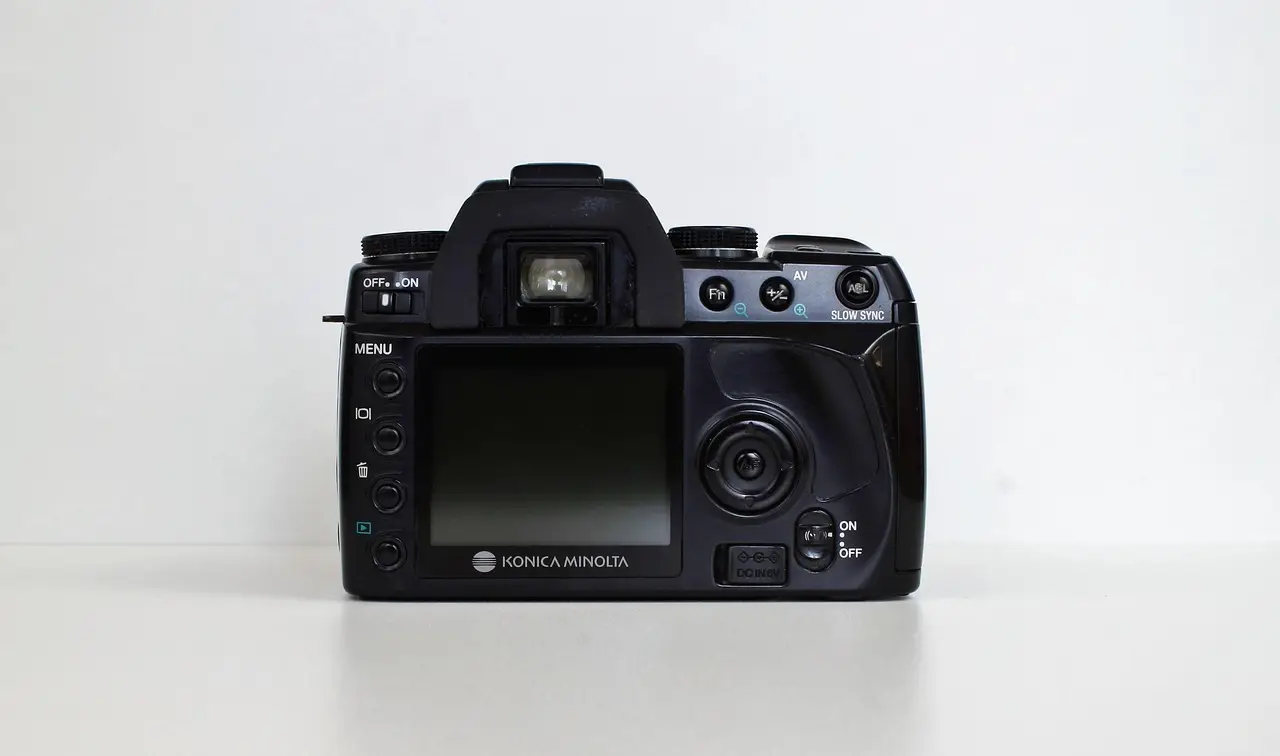
Nikon's 288MP Camera Isn't for Photographers — It's for Robots
Nikon's NDV-6M8DC captures wide and detail views simultaneously for assembly-line inspection, spotting 12-micrometer defects and shipping January 2027. No photographers involved.
Processing notes
- Nikon's NDV-6M8DC Dual Vision Camera produces imagery equivalent to 288 megapixels via two 8.1MP sensors and optical shifting
- The camera detects defects as small as 12 micrometers, roughly one-fifth the width of a human hair
- Nikon claims the system cuts robot movement by 90% or more in automated inspection
- Both sensors are Type 2/3in CMOS with global shutter, paired in a coaxial optical system with 6x optical zoom
- The camera goes on sale in January 2027; pricing has not been announced
Nikon has announced a 288-megapixel camera, and it has nothing to do with the photography market. The NDV-6M8DC Dual Vision Camera, due to go on sale in January 2027, targets industrial inspection — automated machines checking products on assembly lines, not professionals shooting client work.
The headline resolution figure needs unpacking. The camera carries two separate 8.1-megapixel Type 2/3-inch CMOS sensors, each with a global shutter, paired in a mirror-and-lens "coaxial optical system." One sensor captures a wide view of the product; the other grabs the detail shot at the same instant. The 288-megapixel number is an equivalent figure: when the camera captures sequential detail images, its internal optics rapidly shift aim within the wide frame, stitching the result into imagery with the resolution of a 288MP device.
What problem does this solve for manufacturers?
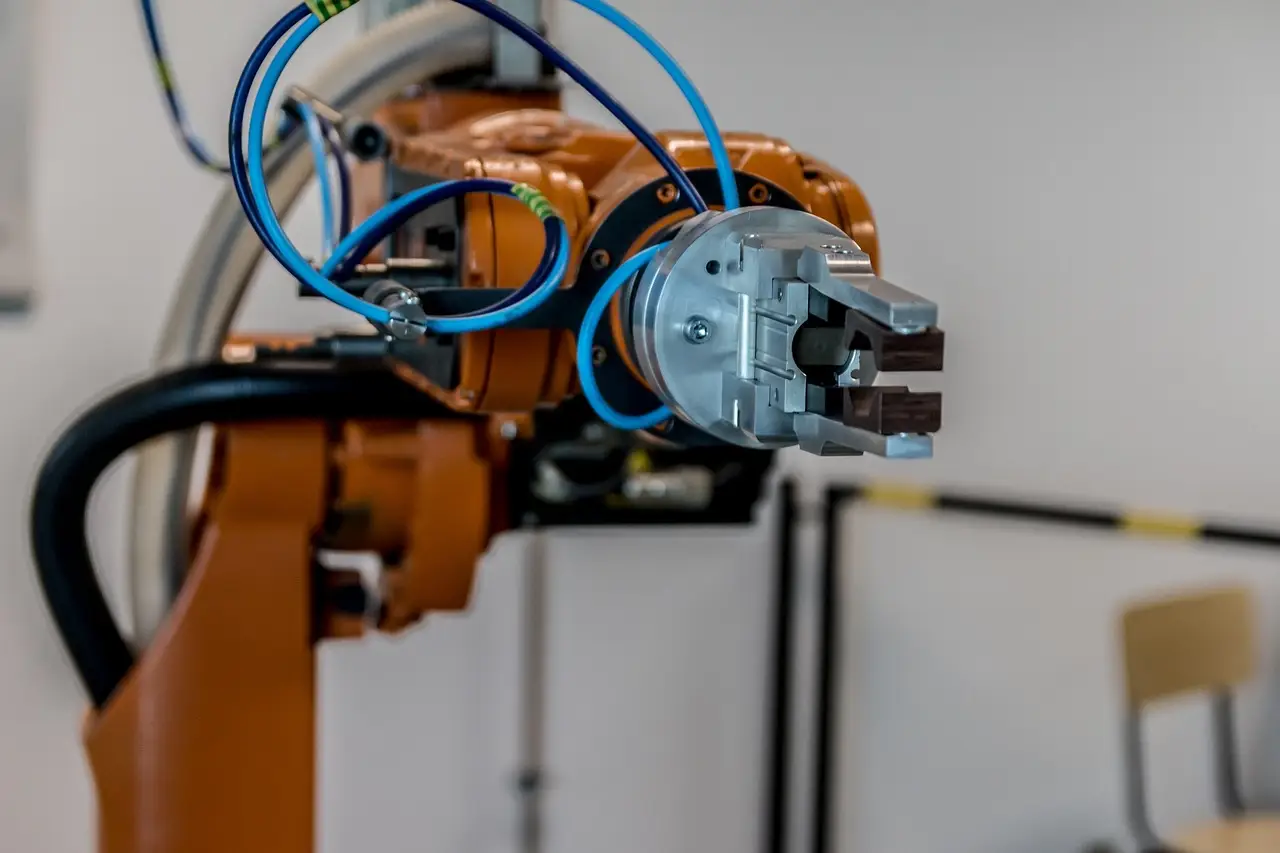
The core issue is scale. Finding a hair-thin scratch on a car hood, in Nikon's example, forces a trade-off: zoom in close and you lose track of where you are; pull back and the defect vanishes. The Dual Vision Camera captures both views simultaneously in one device.
The specifications that matter for production-line deployment:
- Two 8.1MP Type 2/3in CMOS sensors, wide and detail, captured simultaneously
- Global shutter on both sensors — zero motion blur on fast-moving conveyor-belt subjects
- 6x optical zoom
- Defect detection down to 12 micrometers, roughly one-fifth the width of a human hair
Nikon claims the system cuts the number of times an inspection robot has to move by 90% or more, and eliminates the need for multiple cameras each assigned to specific areas of a product. Those are manufacturer claims, not measured results from deployed installations — the camera doesn't ship until 2027, so no independent field data exists yet.
What does this change for photographers?
Not much, honestly — and that's the point worth noting. This is Nikon's imaging-division engineering going after the machine vision and industrial automation market, where global-shutter CMOS, coaxial optics and defect detection are the sell, not dynamic range or color science. There's no consumer or professional stills variant here, and no pricing has been announced.
Still, the release signals where sensor R&D money is flowing. A 12-micrometer detection threshold at conveyor speeds, achieved with 8.1MP sensors plus optical shifting rather than a giant sensor, is a computational-and-optical approach that could eventually inform how camera makers handle high-resolution capture elsewhere. That's speculation; the shipped product is an inspection tool.
For businesses in the inspection and automation space, the January 2027 date and the single-camera-replaces-several proposition are the concrete planning inputs. For the photo industry, the story is Nikon diversifying its optics business into factory automation with a concrete, dated product — watch whether the coaxial dual-sensor architecture shows up in anything aimed at photographers after the industrial version proves itself.
via digitalcameraworld.com (Source)
More from Nathan Brooks
Show full bio
Correspondent covering regulation, policy and their impact on professional photography industry at Photo Trade Wire.
150 articles