FR-5867ƒ/5.6 · 1/500 · ISO 400Roll /stock-licensing
Photographer Seeks $150,000 in Sony Copyright Suit Over Stevie Wonder
Al Satterwhite sued Sony Music Publishing over an unlicensed 2023 Instagram post of his 1974 Stevie Wonder portrait, seeking the federal maximum of $150,000 for willful infringement.
Processing notes
- Satterwhite sued SMP in the Southern District of New York on Sunday over a 1974 portrait posted on Instagram in 2023.
- He seeks up to $150,000, the federal statutory maximum for willful infringement of one work.
- The Instagram carousel marked the 50th anniversary of the 1973 album Innervisions.
- Satterwhite has filed more than a dozen earlier suits over allegedly unauthorized uses of photographs.
- A Berklee College suit filed last year over another 1974 Wonder image was dropped in under two months.
By Grace Kim
Al Satterwhite is seeking up to $150,000 in statutory damages after filing a copyright-infringement lawsuit in the U.S. District Court for the Southern District of New York against Sony Music Publishing over an allegedly unlicensed 2023 Instagram post of his 1974 Stevie Wonder portrait.
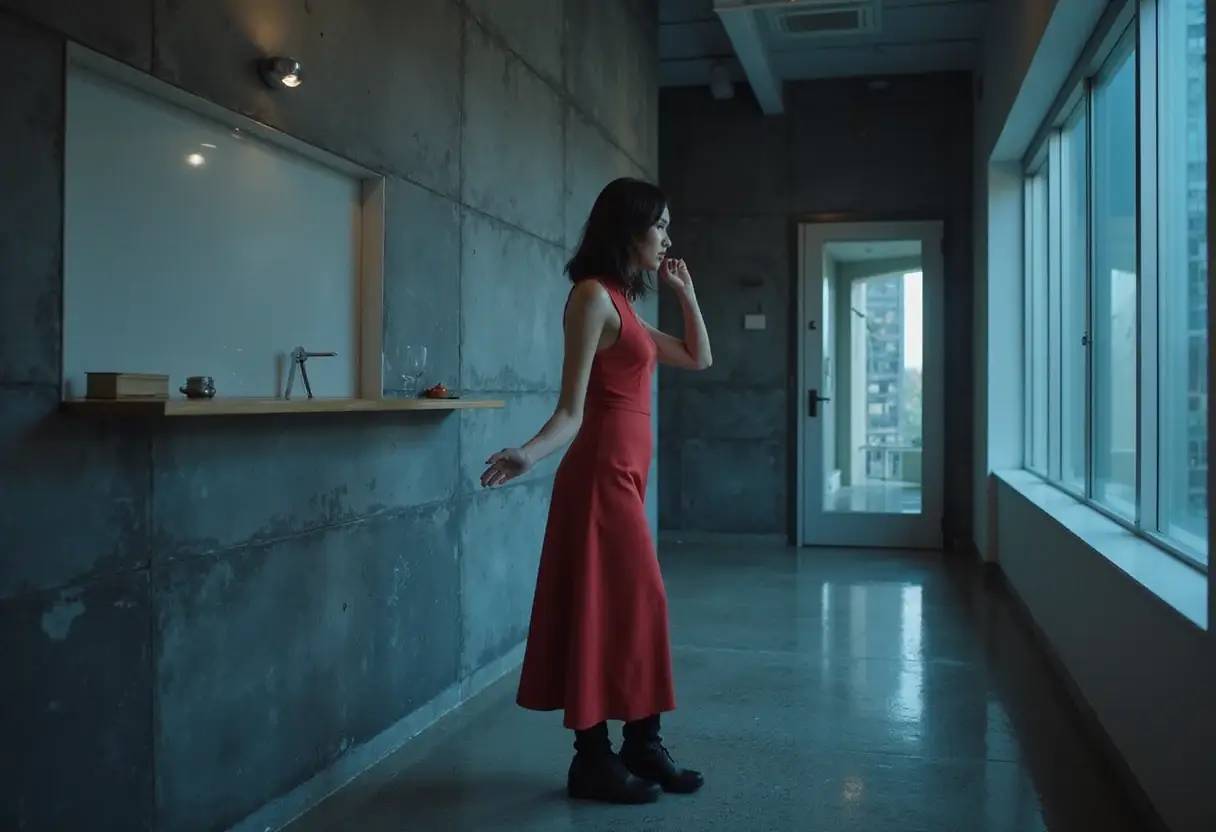
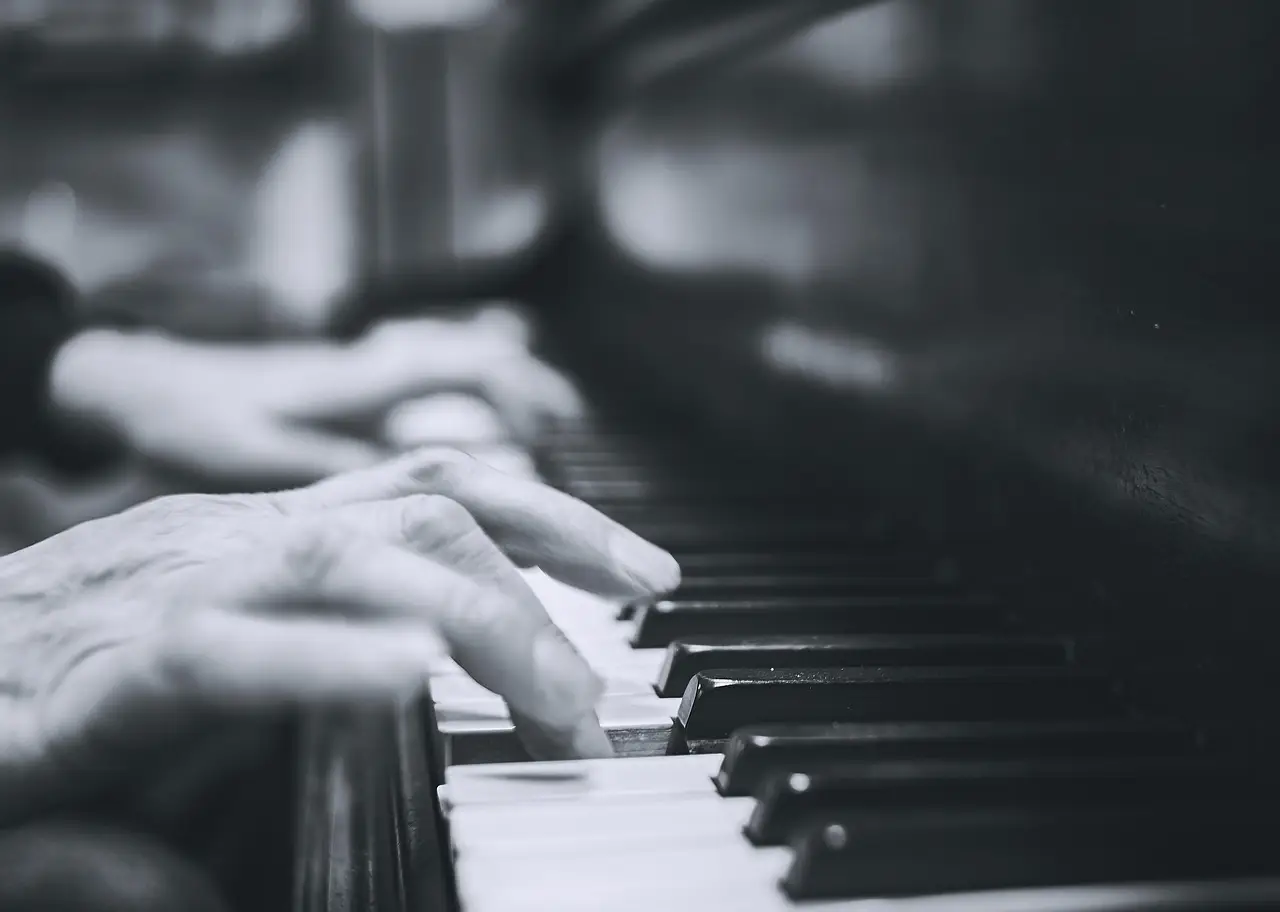
Satterwhite filed on Sunday. The photograph shows Wonder sitting at a piano. According to the complaint, SMP used one of the portraits in a 2023 Instagram carousel marking the 50th anniversary of Wonder’s 1973 album Innervisions. Satterwhite later registered the images from the 1974 shoot with the U.S. Copyright Office.
Satterwhite alleges that SMP posted one of his Wonder portraits without first obtaining a license. He says the use cost him a licensing opportunity, harmed the potential market for his work and allowed SMP to benefit from sharing the photograph with its social-media audience without payment.
In court documents, Satterwhite alleges the conduct “has harmed, and continues to harm, the potential market for or value of the copyrighted work by robbing Plaintiff of his exclusive right to license the copyrighted work for illustrative and other purposes.”
The requested amount is not SMP’s revenue or a stated market valuation of the photograph. It is the maximum statutory damages allowed under federal law for willful infringement of a single work. The complaint asks the court to treat the conduct as willful because Sony knew, or should have known, that it needed a license, given its experience handling intellectual-property rights in the music industry.
Satterwhite further argues that SMP “is a sophisticated media company that understands copyright law and the need to obtain a license to publish the copyrighted works of others.” That assertion supports his knowledge argument, but it remains an allegation rather than an established finding.
Nothing in the reported filing establishes liability, a market loss or a damages award. A ceiling, not a verdict. No court has ruled.
What does this change for photographers?
For working photographers, the dispute shows how a market-harm claim depends on specific commercial records. Satterwhite connects a dated image, Copyright Office registration, a specific 2023 Instagram carousel, the absence of a license and alleged lost licensing chances.
The practical workflow implication is to preserve creation records, registration records, publication records and licensing inquiries together. For photography businesses selling archival work, a market-harm theory would require evidence of who used an image, where, when and in what promotional context. Those details sit at the center of Satterwhite’s claimed lost opportunity.
There is also a revenue question for estates, agencies and photographers who license recognizable subjects. Satterwhite’s claim treats SMP’s exposure to its social-media audience as a benefit for which the photographer received no payment. The complaint does not quantify that audience or any forgone licensing fee.
The missing dollar figure does not reduce the stated legal demand. It places the economic case under the statutory-damages and willfulness allegations rather than a calculation tied to the post’s commercial value.
The filing also places the case within a longer enforcement history. Satterwhite has filed more than a dozen previous lawsuits over alleged unauthorized uses of his photographs of Wonder and other well-known figures, including Arnold Schwarzenegger and Mel Brooks.
Last year, he sued Berklee College of Music, accusing it of using another photograph from the same 1974 Wonder shoot without permission. He dropped that case voluntarily less than two months later. The prior case and the current filing show repeated enforcement activity, but neither establishes how a court will treat this claim.
For photographers weighing enforcement, the relevant commercial evidence is the documented license opportunity and the value of the particular use. The headline damages figure supplies neither. Satterwhite’s history also supplies a practical business fact: litigation can end in a voluntary withdrawal after the initial claim seeks a substantial statutory maximum.
The next measurable developments are SMP’s response, any ruling on liability and market harm, and whether the requested $150,000 advances beyond a filed claim.
via pacermonitor.com (Original)
More from Grace Kim
Show full bio
News editor covering technology and product news in professional photography industry at Photo Trade Wire.
140 articles