Sigma's $1,599 85mm f/1.2 Is So Clean Clients Ask If It's AI
Sigma's $1,599 85mm f/1.2 DG Art is sharp wide open and undercuts Canon, Nikon and Sony first-party glass — but testers report clients mistaking its flawless files for AI.
Processing notes
- Sigma 85mm f/1.2 DG Art costs $1,599, below Canon RF 85mm f/1.2L, Nikon Z 85mm f/1.2 S and Sony FE 85mm f/1.4 GM II.
- Reviewer Alex Barrera found it sharp corner to corner at f/1.2 and rates it the go-to 85mm on Sony E and L-mount.
- Non-photographers shown his portraits asked whether they were AI-generated due to the files' aberration-free smoothness.
- Sigma has announced the 50mm f/1.4 CL DG Contemporary, its first lens with deliberate aberrations, after its CEO said optical perfection had largely been reached.
- The 85mm completes a Sigma trio of 35mm, 50mm and 85mm f/1.2 primes, each claimed smallest and lightest autofocus option at its aperture.
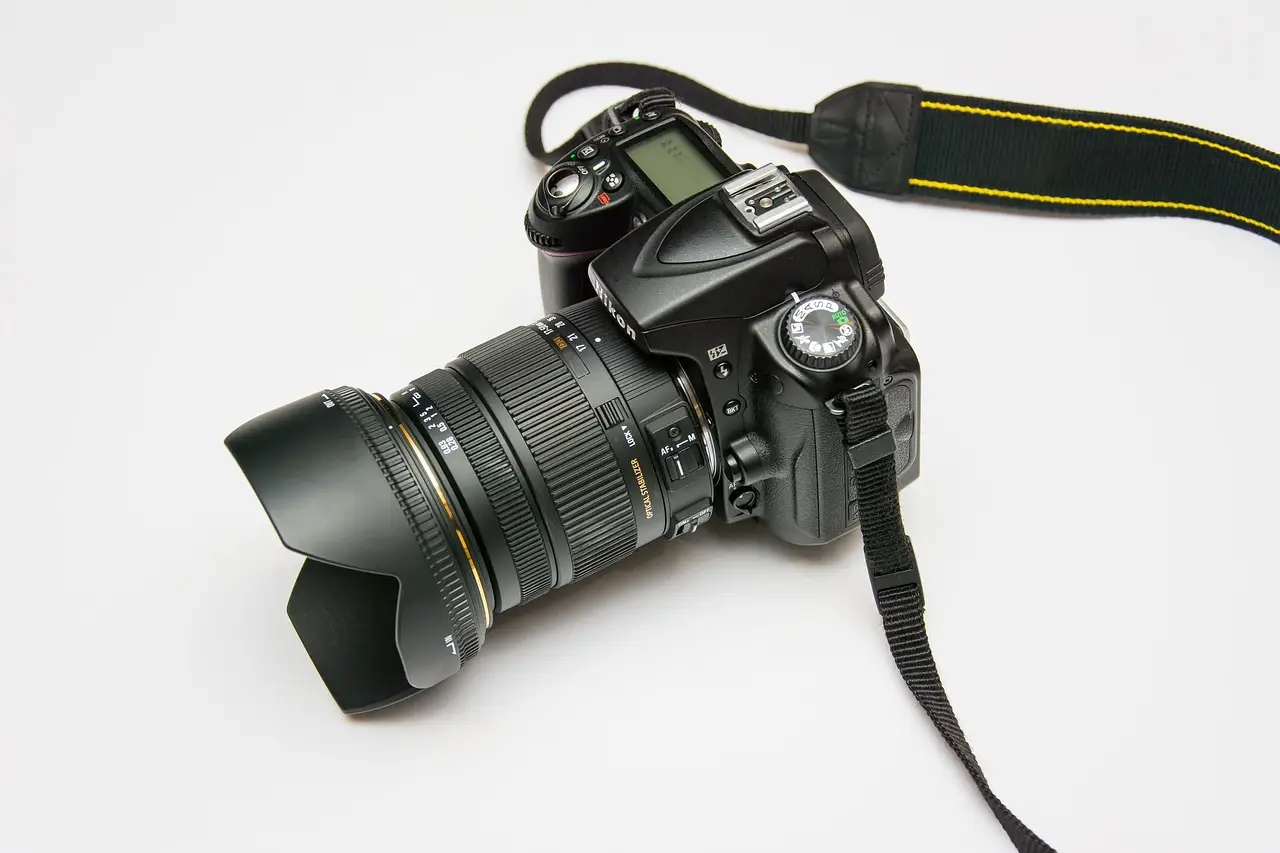
Sigma's 85mm f/1.2 DG Art sells for $1,599, and reviewers who have used it call it the best 85mm autofocus option on Sony E-mount and L-mount — sharp corner to corner wide open, and priced under the Canon RF 85mm f/1.2L USM, the Nikon NIKKOR Z 85mm f/1.2 S, and even Sony's own FE 85mm f/1.4 GM II. That's the business fact. The twist is what that optical perfection does to client perception: photographer Alex Barrera says people outside photography, shown his sample portraits, asked whether the images were made with AI.
Barrera spent a few weeks shooting portraits with the lens on Sony E-mount. Sigma loaned it to him; he has since returned it, and he says the company neither sponsors the video nor reviews it before publication. In his testing the lens is sharp from corner to corner at f/1.2 and, wide open, holds up against the Sony FE 85mm f/1.4 GM II. At $1,599 it undercuts the first-party f/1.2 alternatives from Canon and Nikon by a wide margin, and it undercuts Sony's f/1.4 as well.
Why the trio matters for working portrait shooters
The 85mm completes a Sigma set of 35mm, 50mm, and 85mm f/1.2 primes. Sigma positions each as the smallest and lightest autofocus option at that aperture for its mounts. A few years ago, plenty of shooters doubted f/1.2 autofocus glass would ever reach E-mount at all. A full trio priced below first-party alternatives says a lot about how far third-party lens economics have come on the system.
For photographers billing clients, the extra stop changes the product. An 85mm f/1.2 alters how a face separates from the background, and it changes what a client sees when flipping through a gallery — the difference between a $1,599 purchase earning its keep and sitting in a drawer.
What does optical perfection have to do with AI?
Barrera owned the Canon RF 85mm f/1.2 back when he shot weddings, so he knows the rendering. What surprised him came later. He showed images to non-photographers, and several asked if the photos were AI-generated. Behind a clean, high-resolution sensor, a lens showing almost no aberrations produces files with no grain and no obvious optical quirks. That smoothness read to laypeople as artificial.
His rule: you can take sharpness away from a file in editing, but you can't put it back. A clinical starting point leaves more room to work. So he roughs the files up. First, added grain for texture. Then he disabled the lens's digital corrections — which mostly remove the wide-open vignetting — because he likes a falloff just strong enough to pull the eye toward the center of the frame. The images stay clinical, but no longer so perfect that a viewer's mind jumps to AI. Barrera also shoots Leica, precisely because he likes lenses with character.
Is Sigma pivoting away from perfection?
The manufacturer appears to be watching the same shift. Sigma recently announced the 50mm f/1.4 CL DG Contemporary, which Barrera describes as the company's first lens built with deliberate aberrations — engineered character, in other words. In an interview roughly eight to ten months earlier, Sigma's CEO said the company felt it had largely reached its long-standing goal of optical perfection, while customers kept asking for lenses with more character; Sigma is still studying what people actually mean by the word, since it covers so many different traits.
Caveat: a CEO studying "character" is not a shipped strategy. The 50mm f/1.4 CL DG Contemporary is the one concrete product; the rest is stated intent.
None of this changes Barrera's verdict. He calls the 85mm f/1.2 the go-to 85mm on Sony E or L-mount, and he argues the need for character lenses is greater than ever now that AI images are everywhere. Working portrait photographers investing in the system get first-party f/1.2 rendering at a four-figure discount — and, apparently, a new post-production task: making perfection look human.
via fstoppers.com (Source)
More from Tom Whitfield
Show full bio
Senior reporter covering technology and product news in professional photography industry at Photo Trade Wire.
144 articles