FR-96C3ƒ/5.6 · 1/500 · ISO 400Roll /gear-industry
Sony's $3,698 600mm F6.3 GM Earns Three Stars: Lightest Super-Tele Tested
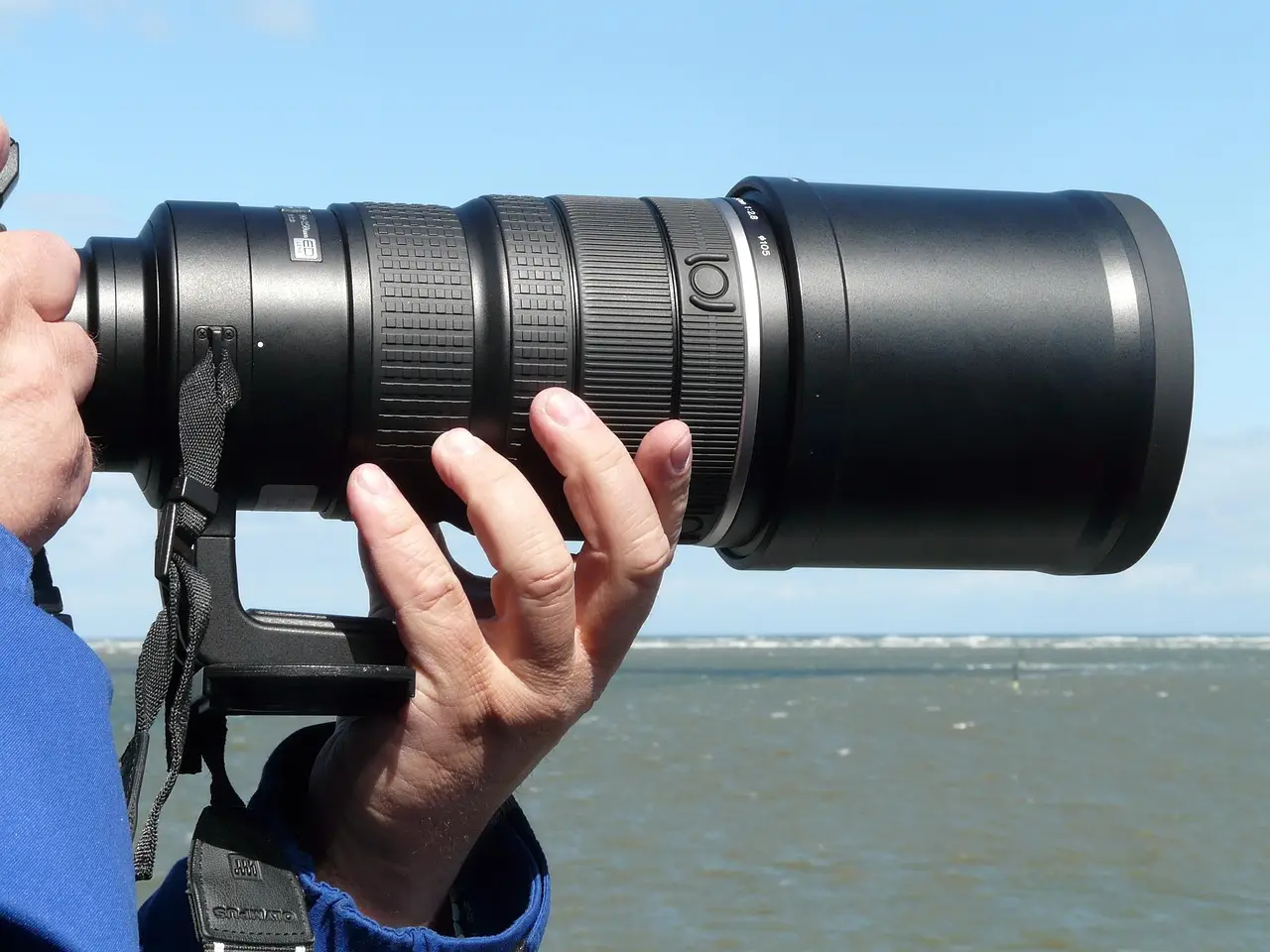
The 35.1-ounce Sony FE 600mm F6.3 GM OSS ($3,698) earns three stars: exceptional autofocus and weather sealing, but sterile files and a restrictive fixed 600mm focal length.
Processing notes
- Sony FE 600mm F6.3 GM OSS is priced at $3,698 USD
- The lens weighs 35.1 ounces, the lightest telephoto prime the reviewer has tested
- Verdict: three out of five stars, recommended only for two-body wildlife/sports shooters
- Tested on the Sony a9 III using AF-C and pre-capture mode
- Output described as 'categorically sterile,' requiring post-processing for character
Sony's FE 600mm F6.3 GM OSS costs $3,698 and has earned a three-out-of-five-star verdict from The Phoblographer — the lightest telephoto prime the site has ever tested, but one with serious strings attached for working shooters.
The reviewer's bottom line is blunt: buy it only if you're a wildlife or sports photographer who already carries two bodies. If you're an enthusiast, skip it. That caveat matters at this price point, because the lens sits nearly half the cost of Sony's f/4 GM variant — competitively priced, in other words, but only for a narrow user profile.
How light is 35.1 ounces, really?
At 35.1 ounces, the lens is deceptively light for its size — so much so that the reviewer repeatedly checked the barrel to confirm the elements were intact. Compared against the recently reviewed Nikon 180-600mm F5-6.3 VR, the Sony "feels like a paperweight and not an engineering marvel of metal and glass."
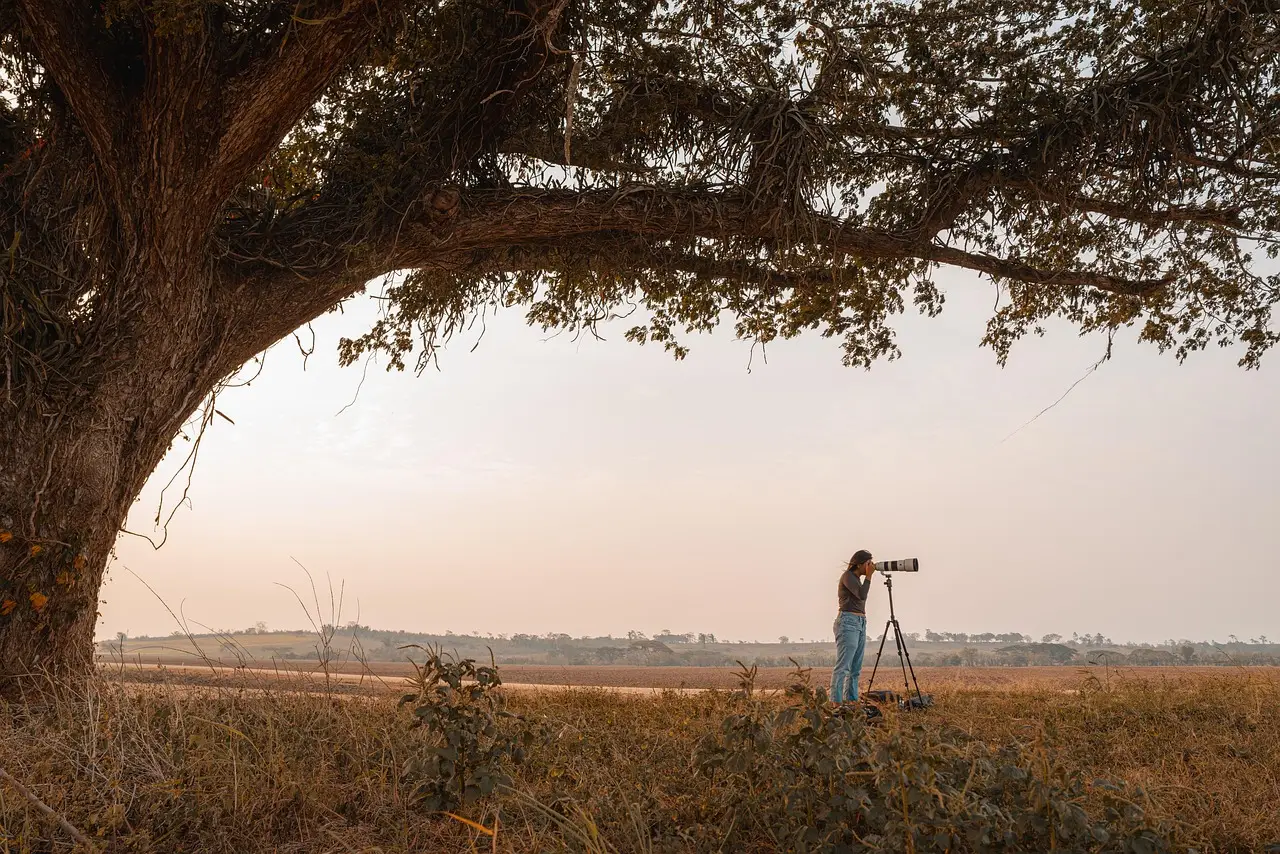
That weight has practical consequences for field work. Super-telephoto shooting usually demands a monopod or tripod to spare shoulders and arms; this lens is light enough to leave supports in the car, and Sony positioned the center of gravity toward the rear to make panning across wide arcs — tracking small birds in flight, for instance — easier handheld.
The barrel is weather-sealed and rugged, tested through a sudden rain shower at Greenwood Cemetery. The reviewer found the construction "inspires confidence when used in the elements." Sony, though, is one of the brands that touts moisture resistance without extending warranty protection to cover it — worth remembering before you rely on that seal.
How does the autofocus perform?
Testing was done on the Sony a9 III, with both bodies and lenses on loan, using AF-C and Sony's pre-capture mode. The internal focusing drive drew the review's strongest praise: "nothing short of exceptional." Autofocus locked onto distant subjects almost instantaneously and held acquisition quietly across varied lighting and fast-moving targets.
That AF performance is the clearest professional argument for the lens. The catch is what happens after focus.
What's wrong with the images?
Sharpness, edge-to-edge resolution, and micro-contrast are technically flawless — and that's the problem. The reviewer called the output "categorically sterile," with spherical aberration, flare, and distortion so thoroughly corrected that raw files feel "emotionally flat straight out of the camera."
There are no organic quirks, no fall-off character, no warm rendering nuance. Every image arrives with what the review calls "relentless, cold precision," leaving warmth, contrast, and mood entirely to post-processing and color grading. For photographers who bill by the shoot rather than by the editing hour, that means budgeting time in an editor — or accepting clinical files.
The focal length itself also drew fire. At 600mm, stationary subjects were fine, but birds flying toward the camera were often too close, and erratic flight patterns left the frame too quickly. The reviewer repeatedly wanted to switch to a 400mm in the bag, or zoom — neither possible while a subject waits. "Maybe the 600mm fixed focal length would be something I'd appreciate more as a sports photographer on a soccer pitch or football field," the review notes, "but when birding with a single camera body, I found myself missing too many opportunities."
What should buyers weigh beyond optics?
The Phoblographer pairs its reviews with an ethics rundown, and Sony's record is mixed:
- The company emphasizes inclusivity, including initiatives for low-vision photographers and the Alpha Female program.
- News agency photographers mostly use Sony gear because of agency deals, not preference — a reason to question the ubiquity of Sony in review content.
- Sony discusses splash-proofing in marketing but doesn't honor warranty claims tied to it.
- Sony provides free products for promotion through third-party companies, per its own influencer guidelines page.
- The company shelved paid PlayMemories camera apps — time-lapse, live composite, star trails — after the original a9 launched and never restored the features.
The review was not sponsored; Lensrentals loaned the gear with no money exchanged, and the site states Sony cannot influence its coverage.
For working wildlife and sports pros already running two bodies, the 600mm F6.3 GM's weight and AF performance may justify $3,698. Everyone else should probably wait for the next telephoto zoom — or expect to spend their evenings in an editor.
via The Phoblographer (Source)
More from Tom Whitfield
Show full bio
Senior reporter covering technology and product news in professional photography industry at Photo Trade Wire.
101 articles