FR-407Aƒ/11 · 1/250 · ISO 400Roll /ai-imaging
Sports Apparel Client Scraps $259k Shoot Estimate for AI
A sports apparel brand killed a six-day, $259k athleisure shoot in favor of an AI artist, citing cost, perpetual use, and partner sharing. Wonderful Machine breaks down the estimate.

Processing notes
- The client abandoned a roughly $259,000 six-day production estimate covering 125 images licensed for 3 years of web, eCommerce, and paid social use, choosing an AI artist instead.
- The creative/licensing fee was $34,800 — $2,500/day creative fee plus $19,800 for the 3-year license, or $5,800 per shoot day.
- The client cited cost savings, outright 'ownership' of non-copyrightable AI assets, and free sharing with partners as its reasons for the switch.
A sports apparel brand walked away from a fully scoped, roughly $259,000 six-day production — and told the photographer's team it would execute the entire project with an AI artist instead. Bryan Sheffield of Wonderful Machine, who estimated and negotiated the job, recounts the breakdown in the consultancy's latest Pricing & Negotiating analysis, with photographer and client names redacted.
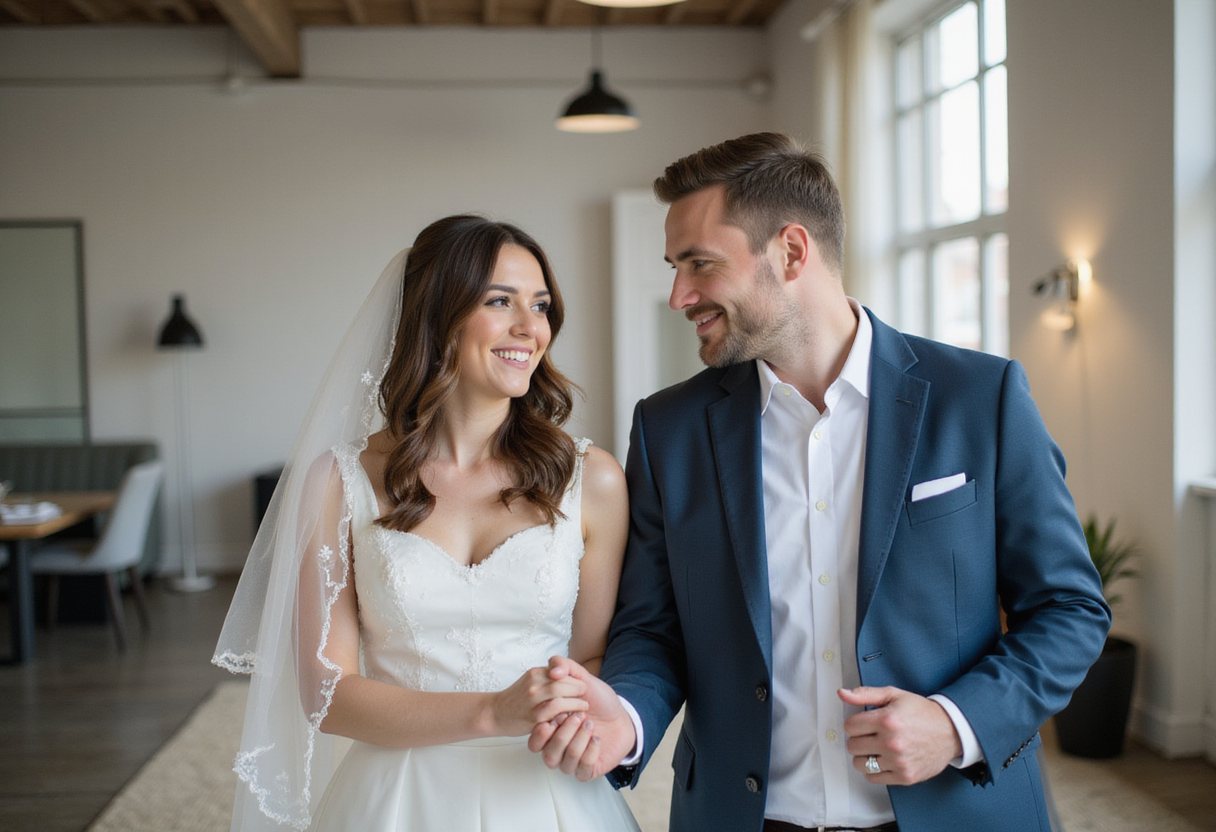
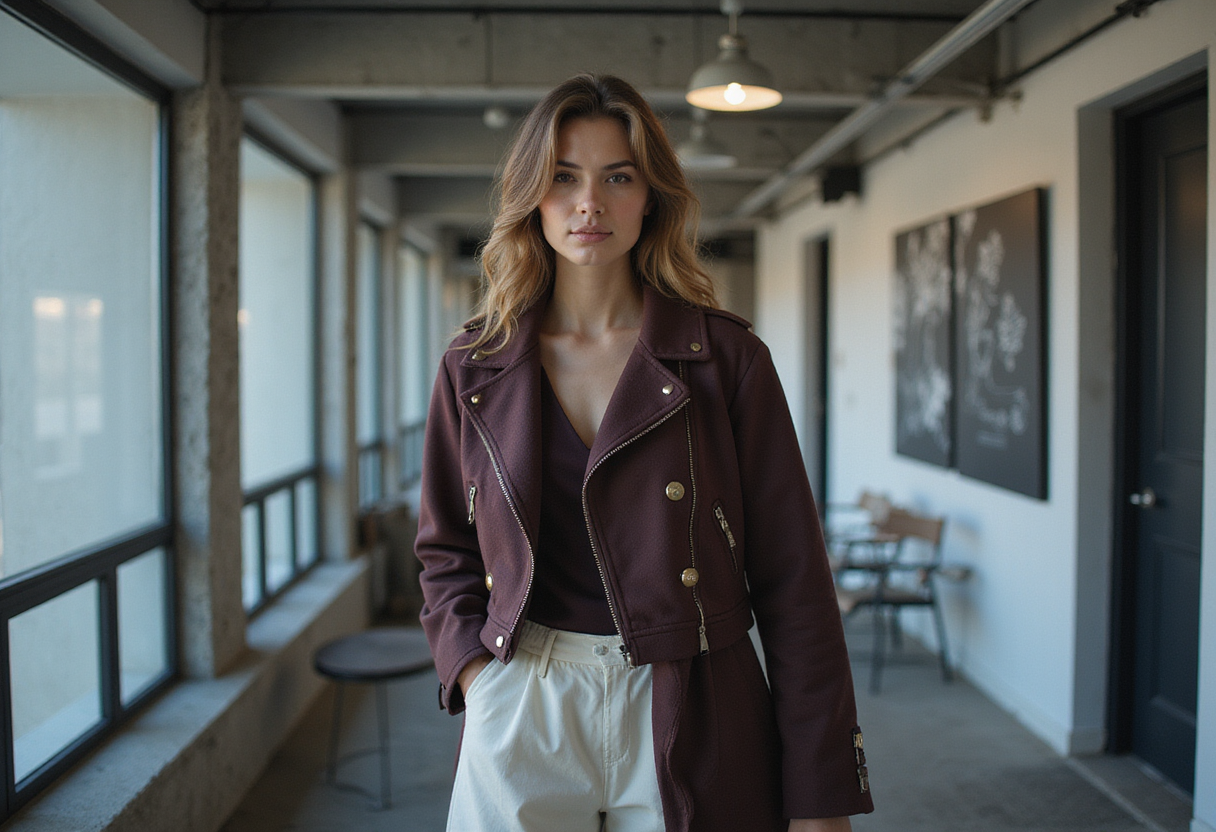
The assignment called for still-life and lifestyle imagery of 100 athleisure items: product shots staged in sports fans' homes, plus the same products on models in a tailgating scene. The plan covered four days at a rented home and two days at an outdoor tailgating location, delivering an estimated 125 images licensed for Web Collateral, eCommerce, and Paid Social Media use over three years.
The fee structure
Sheffield priced the creative/licensing fee at $34,800: a $2,500/day creative fee plus $19,800 for the three-year license — $5,800 per shoot day, which he placed in the mid-range for the scope, client, region, and term. The photographer agreed, though he noted it sat toward the top of his range. The estimate added two pre-production days, plus a tech scout day and a pre-light day at $1,500 each.
Where the money went
Crew costs were substantial. A producer ran $1,000/day across 14 days. Assistants billed at $750, $650, and $400/day; a digital tech at $850/day for 7 days; a production assistant at $400/day for 8 days. The art department alone accounted for seven crew members, including a production designer at $1,000/day for 11 days, a set decorator at $750/day for 10 days, and a prop stylist at $950/day for 13 days.
Equipment and supplies included $2,300/day for camera, lens, lighting, and grip rentals (the photographer supplied his own bodies and glass), $900/day for the digital workstation, $1,350 for three hard drives, $2,400 for two production SUVs, and $3,000 in miscellaneous supplies.
Locations: $3,500/day for home living room, dining room, and kitchen rentals, $2,500/day for the stadium parking lot, $750 in permits, $1,200 for parking and signage, two motorhome days at $1,900 each, and overnight security at $70/hour for 14 hours. Casting ran $850/day for two days, with two male talent at $1,400 each plus a 20% agency fee. Catering totaled $8,910 plus $750 for prep-day meals. Liability insurance added $2,333, calculated at 1% of the bottom line. Post-production included $1,200 for the first edit and $100 per image for retouching across the 125 images, with additional hours at $125.
The loss
The estimate went out with the photographer's treatment. A walkthrough call went smoothly — the client raised only minor questions about roles and product handling. Then silence, twice. When Sheffield followed up on penciled dates, the client replied that it had decided to execute the entire project using an AI artist.
The client's stated reasons: cost savings, the ability to "own" the assets outright — which Sheffield read as unrestricted perpetual use, since AI images cannot be copyrighted — and the ability to "share" the work freely with partners.
Sheffield replied offering to still produce the talent lifestyle portion, arguing that AI rendering of people "still falls well short of life-like" as of early 2026, in his view. He never heard back. The photographer sent a thank-you note to his producer and consultant and moved on.
The takeaway
Sheffield's assessment is blunt: clients now judge AI-generated content on more than cost. They weigh time efficiency, absent licensing restrictions, partner sharing, and ease of modification. Still-life product photography, with no people or live moments to capture, is shifting to AI fastest. His counterpoint for working photographers: the strongest negotiating position remains in what AI cannot yet recreate — real people, real places, and authentic moments. Copyright-conscious clients who need to secure ownership of the work still have a structural reason to commission human photographers.
via wonderfulmachine.com (Original)
More from Amara Osei
Show full bio
Market editor covering consumer brands and retail at Photo Trade Wire.
25 articles