FR-C199ƒ/5.6 · 1/60 · ISO 400Roll /gear-industry
The 14-Gram RefCam From the World Cup Final Lands in the Deutsches Museum
Riedel's 14-gram RefCam, worn by Slavko Vinčić in the 2026 World Cup Final, is now on permanent display at Munich's Deutsches Museum — a training tool turned broadcast product.
Processing notes
- Riedel's 14-gram RefCam worn at the 2026 World Cup Final entered the Deutsches Museum's permanent collection
- Development began in 2023 with Bundesliga referees Patrick Kessel and Nicolas Winter
- The camera debuted in the top-tier Bundesliga in February 2024 after a late-2023 third-league test
- FIFA partner Lenovo applied AI-based stabilization to the broadcast feed
- Riedel Communications acquired cinema brand Arri earlier this year
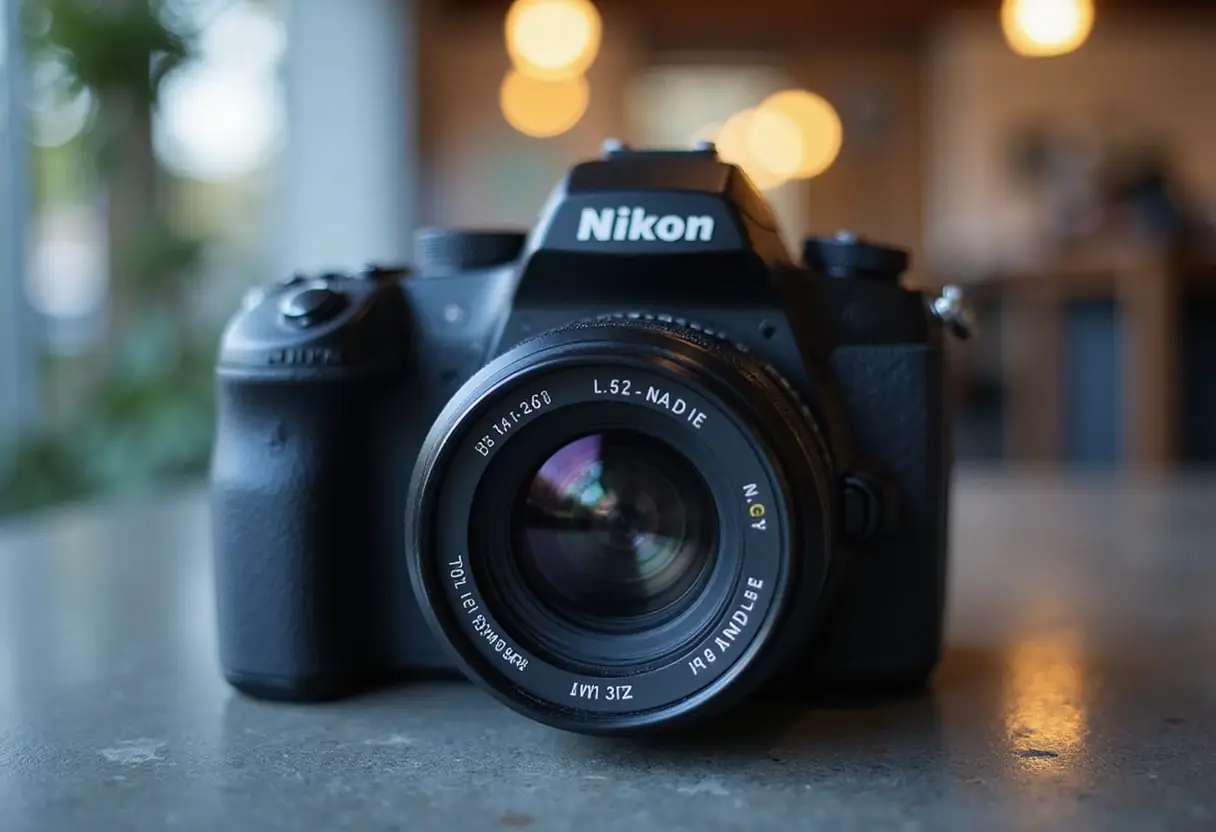
A 14-gram head-mounted camera — roughly half an ounce — worn by referee Slavko Vinčić during the 2026 World Cup Final between Spain and Argentina now sits on permanent display at the Deutsches Museum in Munich. That is the concrete news: a piece of broadcast hardware built by Riedel Communications has entered a science and technology museum, and the manufacturer says it shipped the exhibit unit itself.
The device is the Riedel RefCam, an ultra-lightweight HD camera designed to sit on a referee's head without impeding movement. The specific unit in the museum is the one Vinčić wore during the final, which Spain won 1-0 after extra time. It captured Ferran Torres' winning goal in the 106th minute, along with other key moments — footage that went straight to television audiences.
How did the RefCam get built?
Riedel did not develop the camera in isolation. The company worked with active Bundesliga referees Patrick Kessel and Nicolas Winter, starting in 2023, with a stated goal that had nothing to do with broadcast: training officials. The first real-world test came in late 2023, at a third-league match between Arminia Bielefeld and TSV 1860 Munich. Top-flight deployment followed in February 2024, with the Bundesliga working closely with Riedel to refine the unit.
Here is the pivot worth noting. The feed was originally intended for internal use and officiating decisions only. It is now a regular part of television broadcasts. That is a business-model change as much as a technical one — footage built for training became a monetizable broadcast product.
What makes the footage broadcast-ready?
Raw head-mounted footage would be unwatchable. FIFA worked with technology partner Lenovo to apply AI-based stabilization before the signal reached viewers, smoothing out the referee's every head movement. The tiny HD sensor inside the unit delivers what Riedel calls broadcast-quality images from a 14-gram package.
"When designing the RefCam, the focus was on building an extremely light camera that does not hinder the referees in any way and yet delivers excellent broadcast-quality images," said Thomas Riedel. "The fact that this development now receives a permanent place in the Deutsches Museum after its successful deployments in the largest stadiums in the world — right next to milestones in the history of technology — is a special honor for our entire team."
Museum Director General Michael Decker framed the acquisition in longer historical terms. "The Deutsches Museum has been documenting the further development of camera technology for 120 years," he said. "What particularly fascinates me personally is the miniaturization of the technology — combined with the immense increase in image quality." He added that, as a sports fan, he is impressed the referee's perspective can now reach all spectators.
Is this part of a broader shift?
Yes, and the pattern is well established. Referee cameras debuted in the Premier League last year and are increasingly common in baseball, American football, and ice hockey. All 22 Formula 1 drivers now wear tiny cameras inside their helmets. These POV angles deliver perspectives traditional broadcast cameras physically cannot — the selling point driving adoption across sports.
One contextual note for industry watchers: Riedel Communications acquired the legendary German cinema brand Arri earlier this year, which makes its push into miniature broadcast hardware part of a broader consolidation story.
The takeaway is simple: a camera built in 2023 to train referees became a broadcast staple and, within roughly three years, a museum artifact — a timeline that says plenty about how fast miniature POV imaging is moving into mainstream sports production.
via cined.com (Original)
More from Tom Whitfield
Show full bio
Senior reporter covering technology and product news in professional photography industry at Photo Trade Wire.
101 articles