St. Paul photographers hit with tear gas during ICE protest raid sue
Aaron Nesheim, Kerem Yücel and Timothy Evans sue St. Paul Police, alleging pepper balls, spray and tear gas were fired at them while covering an ICE raid protest on November 25.
Processing notes
- Lawsuit filed Tuesday against St. Paul Police Department by photographers Aaron Nesheim, Kerem Yücel and Timothy Evans
- Incident dates to November 25, 2025, during an ICE raid in St. Paul's Payne-Phalen neighborhood
- Yücel was hospitalized by ambulance; Regions Hospital could not admit him due to chemical contamination
- Complaint says photographers stood at least 10 feet from protesters, away from police lines
- Suit alleges First, Fourth and Fourteenth Amendment violations plus assault and battery
Three working photojournalists filed a federal lawsuit against the St. Paul Police Department on Tuesday, alleging officers fired pepper balls, pepper spray and tear gas directly at them while they covered an ICE raid protest in Minnesota — with the photographers' own images serving as evidence.
Aaron Nesheim of Sahan Journal, MPR News photojournalist Kerem Yücel, and freelancer Timothy Evans brought the suit. All three claim constitutional violations. They want damages, attorney's fees, and a court order barring future unconstitutional conduct by the department.
What happened on November 25?
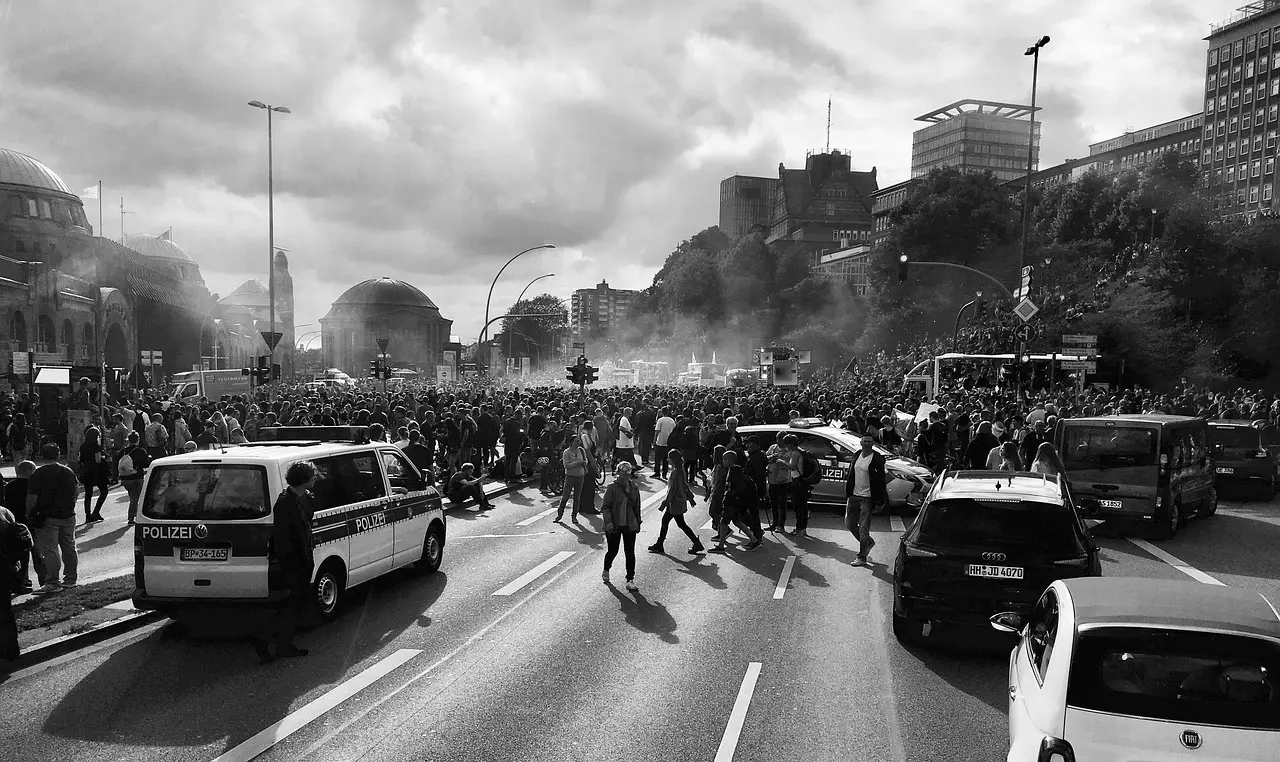
The incident traces to a November 25 ICE operation in the Payne-Phalen neighborhood of St. Paul, where federal agents attempted to arrest a man at his home. A crowd of protesters grew outside the property during the attempted detention.
The three photographers arrived to document it. Court documents say all carried large professional cameras and wore press passes. Evans went further, wearing a ballistic vest labeled "PRESS." Identification didn't help.
Per the Minnesota Reformer's reporting, St. Paul officers responded alongside federal agents. After ICE left with detainees and protesters demanded local police leave too, officers — while withdrawing — fired pepper balls, pepper spray and tear gas at protesters and photojournalists alike.
How bad were the injuries?
The complaint details specific, documented harm. An officer pepper-sprayed Yücel at close range while he photographed the scene; he inhaled and swallowed the chemicals. Other officers fired pepper balls that struck his neck, shoulders and chest.
Yücel struggled to breathe and left the scene by ambulance. According to MPR News, hospital staff at Regions Hospital could not admit him to the main hospital — the chemical irritants on his body and clothing posed a safety risk to staff and patients. He had to seal his jacket in a garbage bag first.
Evans suffered severe abdominal bruising when a pepper ball exploded inside his ballistic vest. Nesheim took a police projectile to the head. All three reported eye and airway irritation, and all three required mental health treatment afterward.
Were the photographers in the way?
By the plaintiffs' account, no. The complaint states the three stood together off to the side of the crowd, at least 10 feet from the nearest protesters and clear of law enforcement lines. Officers allegedly fired on them anyway.
Attorney Kevin Riach frames the chemical munitions as deliberate, not accidental. "The use of this tear gas, like the use of the pepper balls, was clearly meant as retaliation for plaintiffs' exercise of their First Amendment rights," Riach writes. "The officers could not have been shooting at anyone other than Nesheim, Yücel and Evans, who were all clustered within several feet of one another."
The suit claims violations of the First, Fourth and Fourteenth Amendments, plus assault and battery, among other counts.
What's the stakes for working shooters?
For assignment photographers, this case tests whether press credentials and protective gear carry any practical weight when chemical munitions are deployed. The Department hasn't publicly responded yet, and no settlement figure has surfaced. If the court grants the requested injunction, it would set a concrete deterrent — if not, the message to newsrooms sending staff to protest coverage is stark.
via s3.documentcloud.org (Original)
More from Tom Whitfield
Show full bio
Senior reporter covering technology and product news in professional photography industry at Photo Trade Wire.
144 articles