FR-CCCAƒ/8 · 1/125 · ISO 400Roll /wedding-events
Wedding Photo Firm Took $750,000 From Couples — and Money Isn't Their Priority
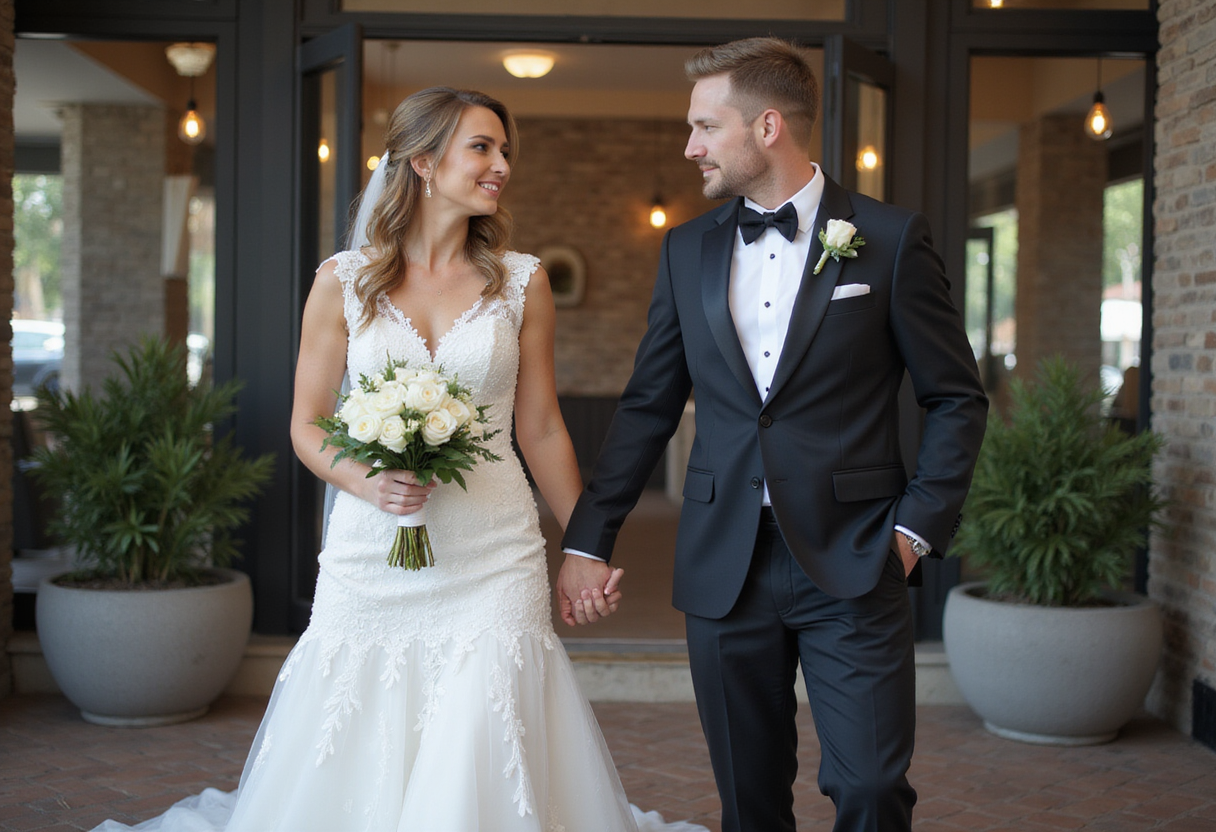
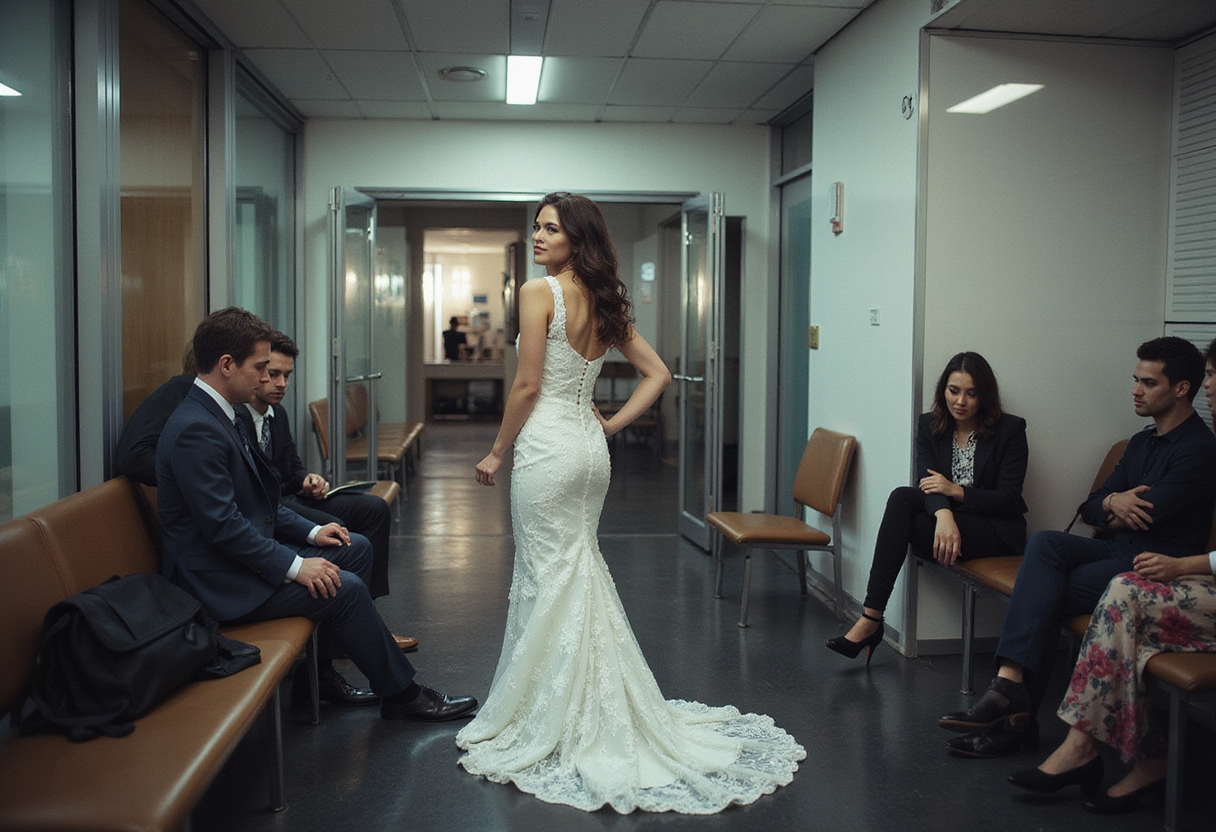
Couples paid a wedding photography company $750,000 and never got usable images. What they want most, Inc. reports, isn't a refund — it's the photographs from days that can't be reshot.
Processing notes
- A wedding photography company took approximately $750,000 from couples, per Inc.com.
- The affected couples say what they want most is their photographs, not their money back.
- Wedding assignments are unrepeatable, so refunds cannot restore lost coverage — the core client exposure in prepaid wedding photography contracts.
Couples paid a wedding photography company roughly $750,000 for coverage they never received in usable form, according to a report published by Inc.com. The figure, confirmed through the couples' own accounting of their losses, makes the case one of the larger consumer-payment collapses in the wedding photography segment in recent memory. But the detail that should stop working photographers isn't the dollar amount. It's what the affected clients say they actually want most — and it isn't a refund.
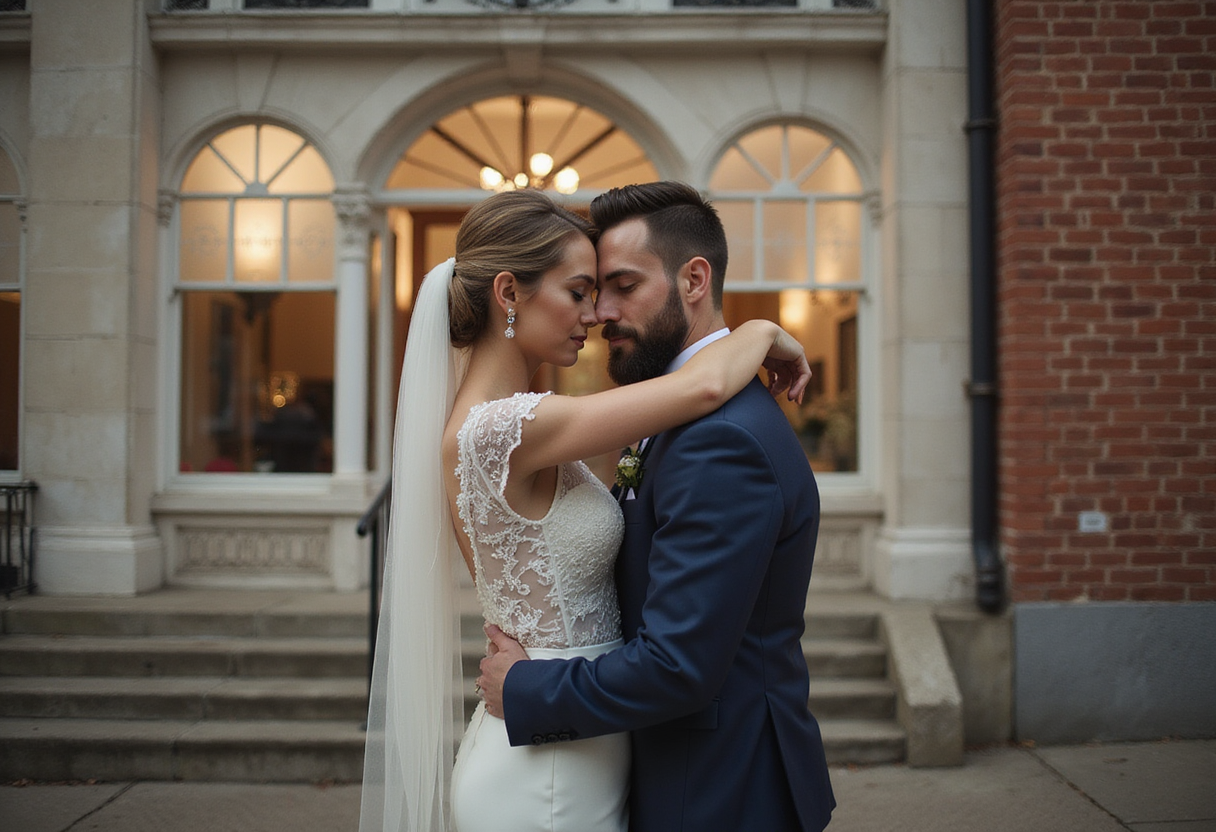
What they want, per the report, is their photographs. Weddings are unrepeatable assignments. A refund restores cash; it does not restore coverage of an event that happened once, on one date, with no possibility of a reshoot. That asymmetry sits at the center of every wedding photography contract and every deposit a studio takes, and this collapse puts it in unusually sharp relief.
The case also underlines a structural exposure in the business model most wedding studios operate on: clients pay substantially in advance — deposits, retainers, sometimes full balances before the wedding date — while delivery of the final product follows months later. When a studio fails mid-pipeline, the money is gone and so, in the worst case, is the imagery. The couples in this situation collectively fronted $750,000 on that model.
For photo businesses, the practical questions the case raises are contract-level ones. What happens to image files, delivery obligations, and client data if the studio ceases operating? Who holds RAW files and finished edits, and does the contract assign any delivery duty to a successor or escrow the work in any form? Standard deposit language protects the photographer against cancellation. It rarely protects the client against the photographer's own insolvency — a gap that, at $750,000 of exposure in a single failure, regulators and consumer press have now noticed.
The reputational mechanics matter too. Coverage framing the story as money "taken" from couples — rather than a business that simply failed — signals how little distinction the consumer press draws between fraud and collapse when prepaid services go undelivered. Studios that take large upfront payments are, fairly or not, carrying that interpretive risk.
For individual photographers, the takeaway is less about this one company than about the dependencies clients quietly price in. Second-shooter arrangements, clear file-handover terms, and delivery timelines written into the contract are the mechanisms that determine whether a client walks away with images or with a claim. The couples in this case are now pursuing recovery of both — and reporting indicates the images are the priority.
Inc.'s reporting suggests the aftermath is still unfolding, with the couples' recovery efforts ongoing and their priorities fixed on retrieving whatever photographic record exists. How much of that record ultimately surfaces — and on what legal or financial terms — will determine whether this reads as a refund dispute or a genuine loss of irreplaceable work.
via Google News: Wedding photography business (Source)
More from Amara Osei
Show full bio
Market editor covering consumer brands and retail at Photo Trade Wire.
25 articles