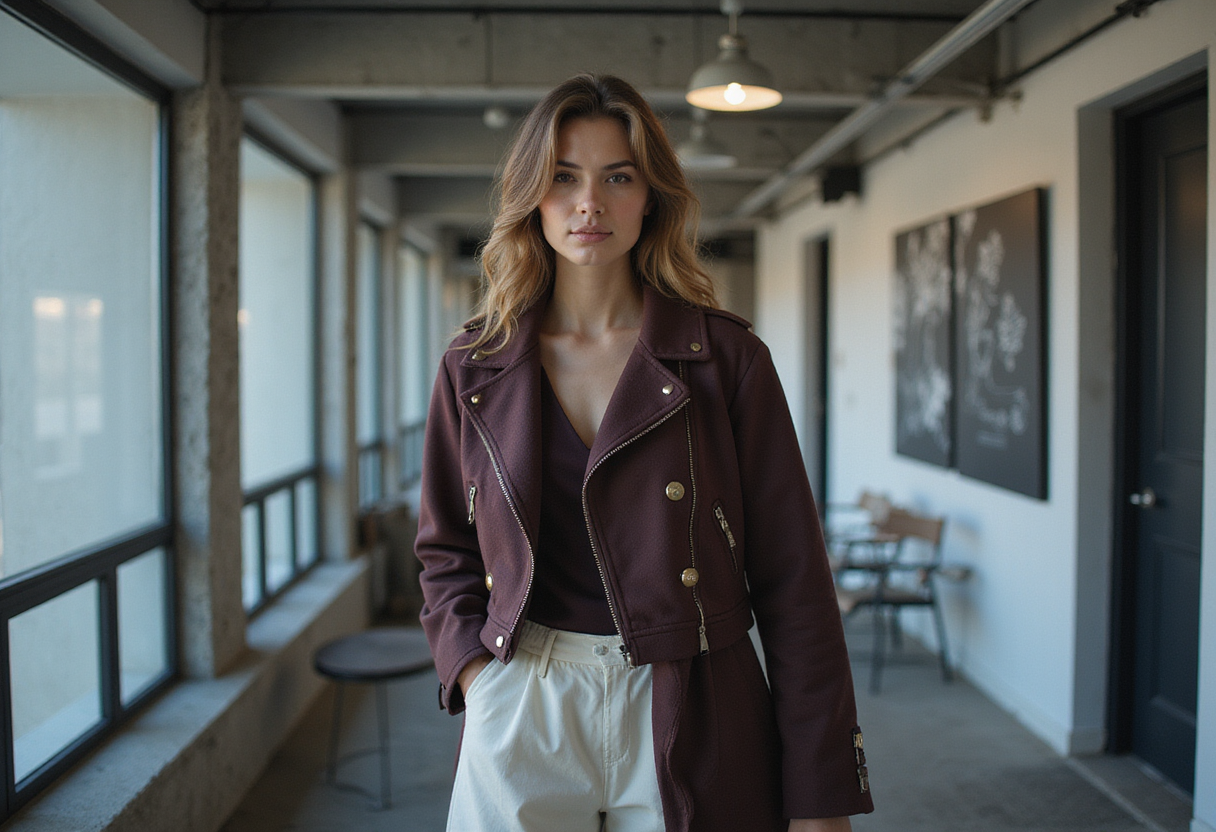
FR-ACB7ƒ/5.6 · 1/125 · ISO 400Roll /ai-imaging
xAI Sues Bentonville Photographer Over Grok-Generated Sexualized Images
xAI has sued a Bentonville, Arkansas photographer for allegedly using Grok to sexualize his own images, a move that puts individual creators — not end users — on the hook for AI-edited derivatives of licensed work.
Processing notes
- xAI filed suit against a Bentonville, Arkansas photographer.
- Allegation centers on sexually explicit modifications produced through Grok.
- Lawsuit assigns liability to the photographer rather than the end user of the tool.
- Source publication is the Northwest Arkansas Democrat-Gazette.
- Docket number, venue, damages and statutory claims were not disclosed in the available source material.
xAI, Elon Musk's artificial-intelligence company, has filed suit against a photographer based in Bentonville, Arkansas, accusing the shutter of using Grok to produce sexualized versions of his own images. The action, reported by the Northwest Arkansas Democrat-Gazette, shifts liability from the model's developer to an individual content creator — a move that working photographers and stock licensors will read as a signal of how AI vendors plan to police deepfake-style edits of licensed work.
What does the lawsuit actually claim?
The complaint, as carried in the Democrat-Gazette headline, blames the named photographer for sexually oriented modifications generated through Grok. The filing frames the photographer, not the tool's user base at large, as responsible for the manipulation of his own photographs.
How could this affect working photographers?
For pros who shoot commercial, fashion or editorial work, the case raises a concrete question: who owns the AI-edited derivative? xAI's complaint treats the photographer as a knowing operator of its model and as the party that crossed the line into sexually explicit output — not the end user, not the platform.
Why a Bentonville-based working photographer matters
Bentonville sits in the Northwest Arkansas corridor that hosts Walmart's headquarters and a deep roster of corporate and retail clients. A photographer working from that market typically handles product, lifestyle and brand assignments whose images circulate at high volume across marketing channels — the exact circulation pattern that AI-edited derivatives tend to exploit.
What it means for image-licensing terms
Model-release, licensing and AI-train clauses have been a live issue since 2023, when large generative-model vendors began ingesting licensed stock libraries. By naming an individual photographer rather than a stock library or downstream user, xAI appears to be testing whether individual creators — and their existing contracts — can be held responsible for misuse of vendor tools on vendor-licensed inputs.
What remains unknown from the filing
The Democrat-Gazette report available at press time did not detail the docket number, court venue, statutory claims, damages sought or the specific images at issue. The defendant's name was not disclosed in the carried headline. Those data points will determine how broadly the precedent reaches across editorial, commercial and stock photography. Watch for the venue filing and the count — the strength of the suit rests on whether xAI pursued a federal right-of-publicity claim, a state tort action, or a contract-based complaint tied to Grok's terms of service.
via Google News: Generative AI & photography (Source)
More from Amara Osei
Show full bio
Market editor covering consumer brands and retail at Photo Trade Wire.
62 articles