FR-48FEƒ/5.6 · 1/250 · ISO 400Roll /volume-photography
AI-Generated Kid Photos Are Displacing Paid School Photography
Parents are generating AI portraits of their kids instead of buying school photo packages, Futurism reports — a direct threat to volume photography's most reliable revenue line.

Processing notes
- Futurism reports parents are using AI image generation instead of paying for school photos
- The practice targets standardized, high-volume portrait products rather than custom photography
- No data yet quantifies the effect on order volumes at major school photography providers
- Wedding, commercial and senior-portrait work carry lower substitution risk
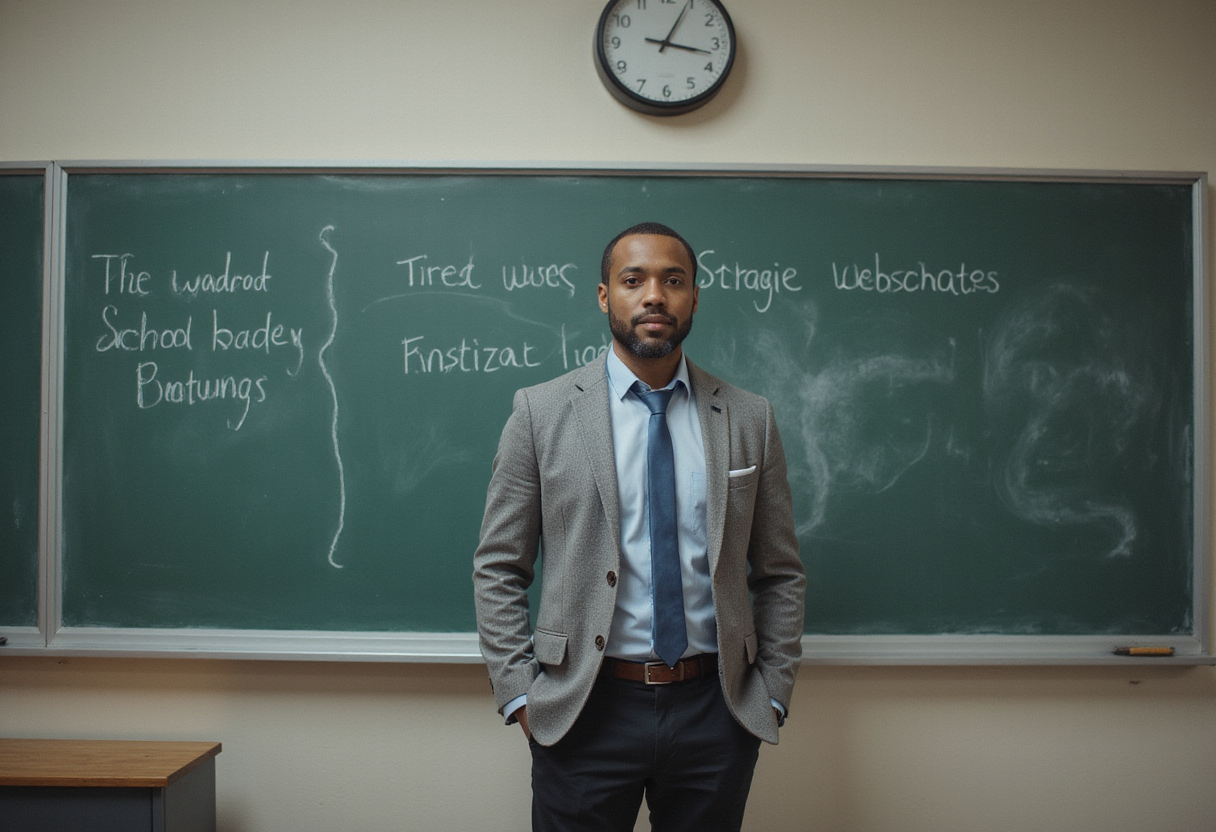
Futurism reports that parents are now generating AI images of their children instead of paying for traditional school photographs, a shift that strikes directly at one of volume photography's most reliable revenue lines.
The school portrait business runs on a simple model: a single photo day, prepaid or proof-based package sales, and predictable per-student revenue across entire districts. If parents can produce passable portraits of their kids with generative tools at effectively zero marginal cost, the pressure lands on the pricing power of every studio holding school contracts.
What does this mean for volume photographers?
The comparison parents are making is not image quality at the professional level — it is "good enough" versus a paid package. For school photography, that bar has always been low: standardized poses, generic backdrops, limited retouching. Those are precisely the attributes current consumer AI image tools replicate most convincingly.
Studio owners who rely on school contracts should expect clients — in this case, parent-teacher organizations and district administrators — to ask why families should pay for something they can approximate for free.
Where the vulnerability sits
Volume photography differs from weddings or commercial work in a key way: the customer is not buying a unique creative service. They are buying a record. Once a substitute exists that produces an acceptable record at no cost, the core product becomes a commodity.
The segments most exposed include:
- Standard school portrait packages and package upsells
- Sports league and team photo days
- Other standardized, high-volume, low-differentiation products
Higher-touch categories — senior portraits with individual sessions, brand and commercial work, event coverage — carry far less substitution risk, because the value lies in the shoot itself, not just the file.
Can school photographers respond?
The defensive arguments remain real, and studios should be making them explicitly in their sales materials: authentic documentation of a specific school year, consistent quality, coordinated yearbook delivery, data-privacy handling of minors' images, and licensing terms that AI-generated content does not provide. Whether those arguments hold against a free substitute is now an open commercial question rather than a settled one.
There is also a pricing dimension. Package prices built on the assumption of near-captive demand may no longer clear. Studios may need to restructure toward session fees, digital-delivery models, or institutional contracts that decouple revenue from per-print sales to individual parents.
The broader signal
For working photographers outside the school market, the story is a case study in how generative AI displacement arrives first: not at the top of the market, but at the standardized, high-volume bottom, where output is formulaic and the buyer's tolerance for imperfection is highest.
Futurism's reporting focuses on parent behavior; it does not yet quantify how widespread the practice is or how it is affecting order volumes at the major school photography providers. Studios with school contracts should watch their order-fulfillment rates this season as the first measurable indicator.
via Google News: Generative AI & photography (Source)
More from Tom Whitfield
Show full bio
Senior reporter covering media and advertising at Photo Trade Wire.
49 articles