FR-BC38ƒ/11 · 1/125 · ISO 400Roll /volume-photography
Parents Turn to AI to Skip School Portrait Fees, Report Says
A PetaPixel report flags parents using AI to generate or clean up school portraits, putting package revenue and watermark-based delivery workflows at risk for volume studios.

Processing notes
- PetaPixel published the report on October 7, 2026.
- Two behaviors reported: generating portraits from scratch with AI, and stripping watermarks from existing proofs.
- The report does not quantify how many parents are using AI workarounds or name the specific tools involved.
- School portrait packages are typically priced per-student or per-package under school contracts, making zero-order returns a direct revenue loss.
- AI inpainting and diffusion editors have lowered the technical skill required for watermark cleanup to a phone-tap operation.
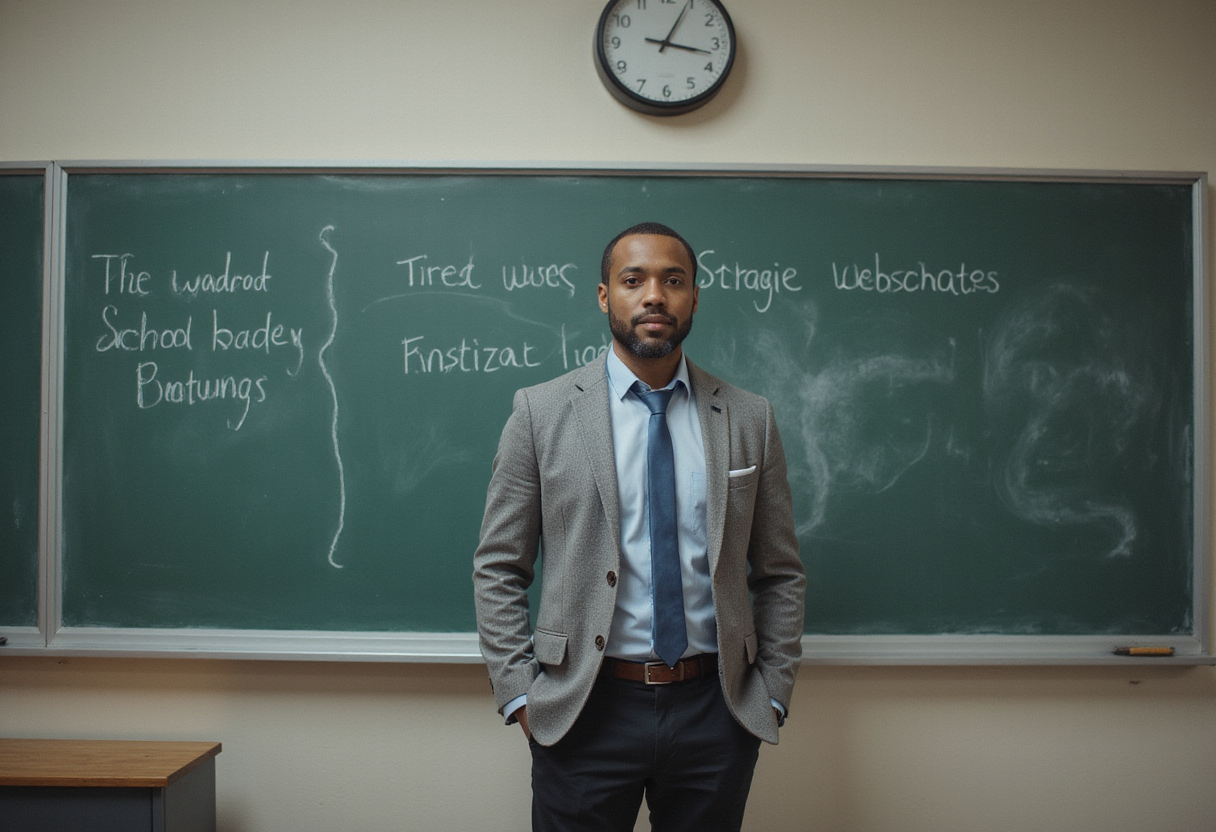
School photographers should brace for a new competitive front after a PetaPixel report dated October 7, 2026, identifying parents who generate their children's school portraits with AI tools — or run watermarked proofs through AI editors — to avoid paying for portrait packages.
The PetaPixel item, a brief summary of a longer feature, names two distinct behaviors. Some parents upload snapshots or reference photos and use generative AI to composite a "school portrait." Others take a returned proof or watermarked web preview and pass it through an AI editor to extract a usable file without buying the package. In both cases, the photographer collects no order revenue.
For working photographers, the timing is awkward. School portrait season typically drives a meaningful share of annual revenue for volume studios, with contracts covering student-body shoots and sibling add-ons negotiated on per-student or per-package pricing. PetaPixel does not quantify the share of parents now using AI workarounds, nor does it name the specific tools driving the trend. That gap matters: any pricing or policy response depends on whether the substitution is anecdotal or systemic.
What does the watermark angle mean for delivery workflows?
The watermark-removal behavior is the more technically threatening one. Most portrait studios already watermark low-res proofs to protect pre-purchase files. Historically, watermark removal required Photoshop skill and left obvious artifacts. AI inpainting and diffusion-based editors have collapsed that barrier. A parent with a phone can now erase a logo, a "proof" stamp, or even a translucent copyright overlay with a single tap in consumer apps.
That shifts the calculus for delivery. Studios relying on web galleries that show the full image at near-print resolution are most exposed. A watermarked proof that looks finished enough to clean up is a sales liability. Expect two responses: tighter cropping on web proofs, or a move toward delivery apps that apply DRM at the file level rather than relying on visible marks.
Can studios turn the AI threat into a paid service?
Several volume studios already offer AI-enhanced retouching — blemish removal, sky replacement, background swaps — as an upsell tier above standard package pricing. That positions the studio as the legitimate AI operator rather than the victim of one. Parents who already want AI in their portraits may prefer paying the school-contracted photographer for a clean, licensed output over running a smartphone app on a noisy original.
The legal ground here is also worth watching. Visible marks on a delivered proof have historically supported copyright claims in unauthorized reproductions. AI removal does not change underlying copyright, but it complicates enforcement against individual parents. Studios that want recourse will need to track source files and prove the derivative, which raises the cost of pursuing a single non-paying family well above any single-package revenue.
PetaPixel's report stops short of pricing data, platform names, or survey scope. School photography operators who want to size the threat to their own book of business should poll their fall-season contract schools directly — measuring how many "package returns" come back with no order at all — before adjusting 2027 contract terms or watermarking policy.
via fastcompany.com (Original)
More from Tom Whitfield
Show full bio
Senior reporter covering media and advertising at Photo Trade Wire.
49 articles