FR-9655ƒ/11 · 1/500 · ISO 400Roll /ai-imaging
Apple Bets on AI Photo Editing, and Working Photographers Should Take Note
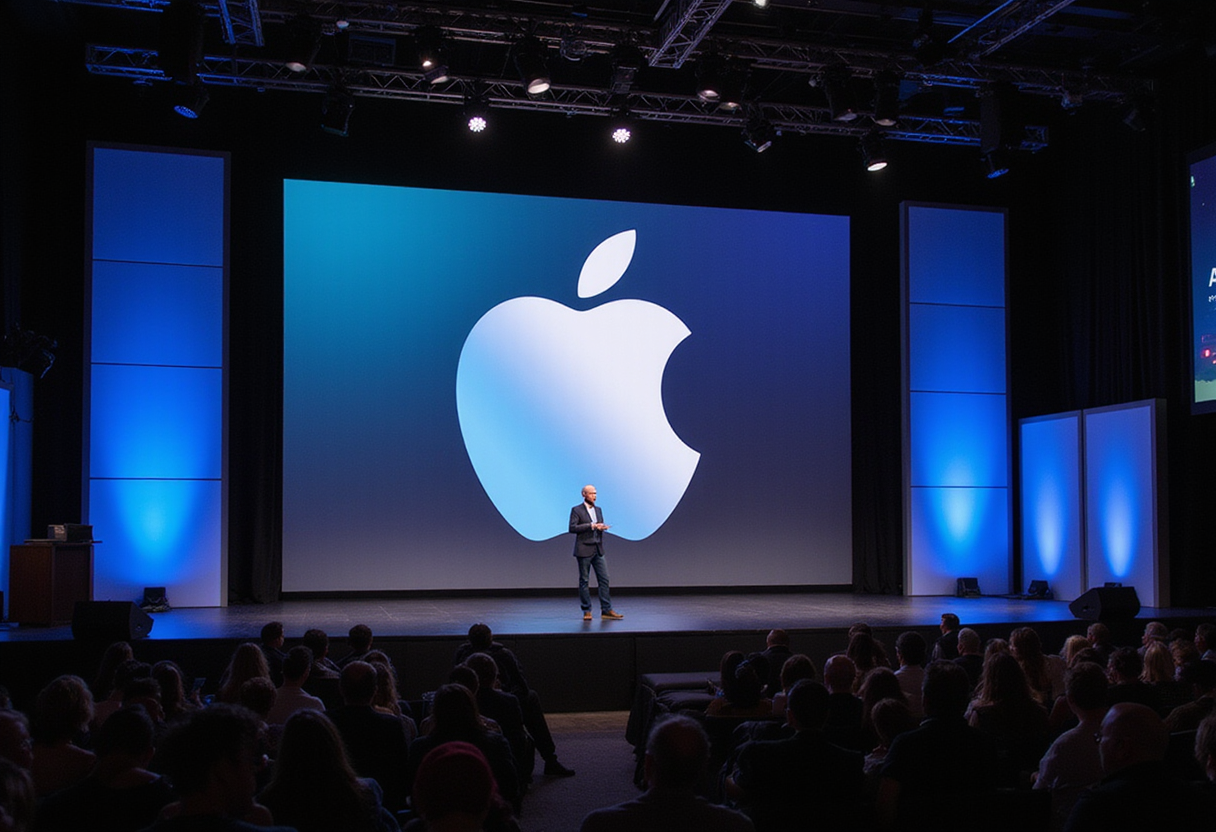
TechRadar says Apple is 'going all in' on AI photo editing. No ship dates yet, but built-in editing tools would reset client expectations and pressure Adobe.
Processing notes
- TechRadar reports Apple is 'going all in' on AI photo editing
- The report contains no confirmed ship dates, pricing or feature specs
- Apple's built-in editing tools would compete with Adobe's subscription AI features
- On-device AI editing could erode paid retouching workflows for working photographers
TechRadar has declared that Apple is "going all in on AI photo editing and it's about time" — a signal that the biggest force in consumer imaging is finally moving generative editing from demo-stage to product-stage.
For professional photographers, the significance is not the hype. It is the distribution. Apple controls the default camera and the default photo pipeline on hundreds of millions of devices. When Apple ships an AI editing capability into Photos, it instantly becomes the baseline that clients, art buyers and casual competitors use to judge — and produce — imagery.
What is actually being claimed?
The TechRadar headline asserts a strategic commitment: Apple is moving decisively into AI-powered photo editing. No ship dates, pricing tiers or feature specifications appear in the report itself, so treat the specifics as unconfirmed until Apple announces them at a formal event or in an iOS release.
What the headline does establish is editorial framing. A major consumer-tech outlet now considers Apple's slowness in this area — "it's about time" — itself newsworthy, which tells you how far behind observers believe Apple has trailed Google, Adobe and Samsung on computational and generative editing.
Why does this matter to the photo business?
Three revenue-relevant consequences follow if Apple does deliver.
- Client expectations reset. Every retouching, compositing or cleanup task that becomes one tap on an iPhone erodes part of the paid editing workflow for event, portrait and real-estate photographers.
- Pipeline pressure on Adobe. Apple's on-device models run free and private. That forces Adobe to justify subscription pricing for Lightroom's AI features against a zero-cost, built-in alternative on the hardware most clients already own.
- Curation questions. As AI editing becomes ambient, disclosure norms and licensing language around manipulated imagery will tighten for commissioned and stock work alike.
Shipped versus rumored
The discipline here is the same as with any manufacturer claim. Rumors and analyst expectations about Apple's AI roadmap have circulated for more than a year; the distinction that matters is what appears in a shipping iOS release with documented capabilities, processing limits and export behavior. Until Apple shows the feature on stage with an availability date, this remains a directional bet, not a measured product.
What to watch next
The concrete markers will be an iOS feature announcement with a named editing tool set, clarity on whether processing runs on-device or in the cloud, and how third-party apps gain API access. If TechRadar's read is right, those answers could arrive at Apple's next software keynote — and they will shape the editing economy for every working photographer who shoots to an iPhone-first client base.
via Google News: Generative AI & photography (Source)
More from Tom Whitfield
Show full bio
Senior reporter covering media and advertising at Photo Trade Wire.
51 articles