FR-790Eƒ/4 · 1/60 · ISO 400Roll /ai-imaging
Apple Brings Generate Fill to Pixelmator Pro in November
Apple will add Pixelmator Pro generative fill in November, linking masked edits directly to Final Cut Pro while Creator Studio costs $12.99 monthly or $129 annually.
Processing notes
- Pixelmator Pro Generate Fill arrives in November at no extra cost for Creator Studio subscribers.
- Creator Studio costs $12.99 monthly or $129 annually; education pricing is $2.99 monthly or $29.99 annually.
- Final Cut Pro adds MotionVFX, direct Pixelmator Pro image editing and transcription in 23 more languages.
- Freeform gains Pixelmator Pro editing in December.
- Standalone prices are $49.99 for Pixelmator Pro, $299.99 for Final Cut Pro and $199.99 for Logic Pro.
By Amara Osei
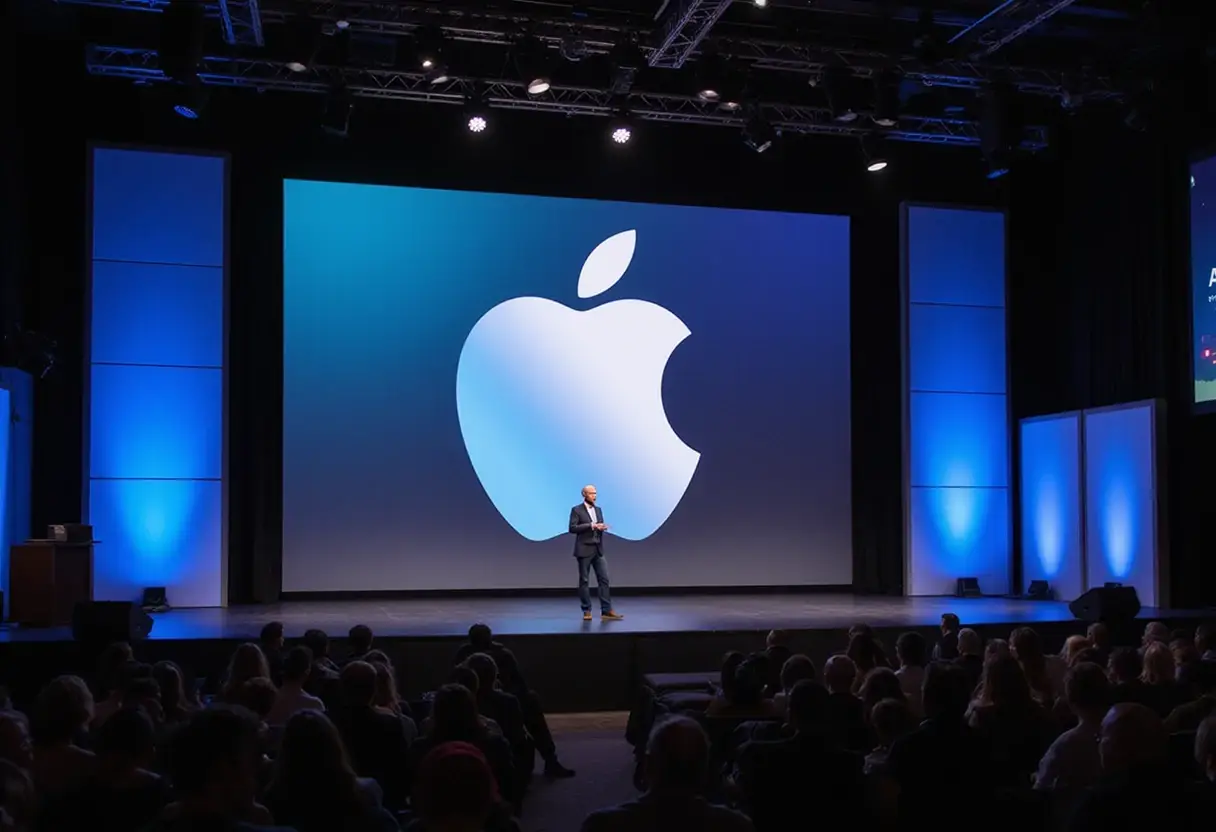
Apple's $12.99-per-month Creator Studio subscription will add Pixelmator Pro Generate Fill in November at no extra cost to existing subscribers. Apple announced the update on Tuesday and called it the company's most exciting change since the subscription launched, a promotional assessment rather than a measured performance claim.
What does Generate Fill change for photographers?
The November release lets photographers circle an area, type the requested change, and have Pixelmator Pro rebuild the region to match surrounding light, perspective and texture. Users can make a rough circle, while Free Selection, Quick Selection and Magnetic Selection provide more precise edges. The feature combines generative fill (AI-generated replacement inside a selected region) with the app's established selection workflow.
Adobe brought Generative Fill to Photoshop in 2023, and the feature has since become standard in photo editing. Apple announced its acquisition of Pixelmator in November 2024; this release shows how closely the app now sits within its Mac software suite.
Apple says it upscales generated content with built-in Super Resolution to avoid the softer patches some tools produce and help replacements hold at large sizes. Users can merge a patch into an existing layer or place it on a new layer with an editable mask, a boundary determining which pixels the replacement covers.
Brent Chiu-Watson, Apple's senior director of Worldwide Product Marketing for Apps and iCloud, said: "Pixelmator Pro's sophisticated fill capabilities now let users completely reimagine any part of an image." For photo businesses, that broad claim still requires testing against client images.
How does the Mac editing workflow change?
Final Cut Pro for Mac will include MotionVFX, adding thousands of templates, titles, transitions and graphics inside the application. The package also brings rotoscoping (tracing a subject frame by frame), tracking and color grading tools. Its Content Hub will place Apple-curated stock video, photos and backgrounds within the editing timeline. For commercial editors, that avoids leaving the timeline to source separate assets for a missing client shot. The announcement does not specify licensing terms, so editors still need to verify usage rights before delivery.
In a Final Cut Pro project, any still image will open directly in Pixelmator Pro, with edits returning automatically and no reimport required. This round trip reduces export, edit and reimport steps when a photographer must repair a frame or graphic inside a video deliverable.
Final Cut Pro will also add text-to-image generation, more keyframe easing options (timing adjustments between animation points), the ability to detach clips from the primary storyline and transcription in 23 more languages. Motion will gain MotionVFX plug-ins for 3D camera tracking, color grading and one-click selection. Apple also lists Compressor support for encoding Cinematic mode video from the iPhone 18 Pro and iPhone Duo. Freeform will gain Pixelmator Pro editing in December, one month after the main App Store update. That staged rollout means the cross-app integration will not be available everywhere at once.
Which AI assistants arrive in the update?
Apple says Logic Pro for Mac will receive a beta assistant (a preview feature still in testing) built on the company's own models and OpenAI. It can start a new song, prepare a vocal track from one request or refine an existing project, giving photographers another route for music and sound work attached to commercial edits.
A redesigned Browser will group loops, instruments and patches, then use on-device audio analysis to tag added sounds automatically. Stem Splitter can now separate drums into their own audio track, and Logic Pro adopts Apple's Liquid Glass design.
Keynote, Pages and Numbers will receive a beta assistant that reads the document currently open. They also support Model Context Protocol (MCP), which allows compatible external AI agents and tools to read and edit those files.
What will photographers pay?
Creator Studio costs $12.99 per month or $129 per year. New subscribers receive a one-month free trial, while buyers of a new Mac or qualifying iPad receive three months free. Education pricing is $2.99 per month or $29.99 per year.
The Pixelmator Pro update reaches the App Store in November at no additional charge for existing subscribers. Pixelmator Pro also remains available as a one-time purchase for $49.99, but Apple does not specify in the announcement whether standalone buyers receive Generate Fill.
Final Cut Pro costs $299.99, and Logic Pro costs $199.99 as one-time purchases. For working photographers, the practical choice is whether the November workflow gains justify a subscription or separate app purchases. That decision matters for businesses handling both still-image retouching and video deliverables because it changes software cost and production time.
What should studios test before adoption?
Apple provides no side-by-side test results for generated texture, edge accuracy or upscaled output. Studios should validate patches against client source files before adopting the feature at scale. The announcement gives November for the main update but no more specific release date.
By December, Freeform's Pixelmator Pro integration will show whether Apple's staged additions form a consistent editing layer across Mac applications. The workflow benefit is clearest for photographers who already move between stills and video on a Mac, because the round trip no longer requires exporting, editing and reimporting every repair.
via apple.com (Original)
More from Amara Osei
Show full bio
Market editor covering companies, deals and strategy in professional photography industry at Photo Trade Wire.
116 articles