FR-B946ƒ/5.6 · 1/500 · ISO 400Roll /ai-imaging
AI-Copied 360 Footage Lands in ASAP Rocky's Shroom Clouds Video
A six-second AI-copy of a 2019 360-cam clip by Cache Bunny and Jason Paul appears in ASAP Rocky's Shroom Clouds — no license, no credit, no invoice.
Processing notes
- A six-second segment at ~2:56 in ASAP Rocky's Shroom Clouds video copies a 2019 clip shot on a 360-degree camera.
- Original creators: parkour athlete Jason Paul, VFX artist Cache Bunny, video artist Ari Fararooy.
- VFX artist Emonee LaRussa identified the copy: 'the grass is the same, the shadows are the same.'
- Two AI artists are credited on the music video.
- No legal action announced yet; the video's director says he shot it five years ago.
A six-second segment in ASAP Rocky's music video for "Shroom Clouds" matches, frame for frame, a 2019 clip built from real 360-degree footage by VFX artist Cache Bunny, parkour athlete Jason Paul, and video artist Ari Fararooy. The sequence, at roughly the 2:56 mark, shows Rocky somersaulting through a kaleidoscopic effect. The credit list for the video, notably, includes two AI artists — a detail that disappointed fans flagged immediately.
VFX artist Emonee LaRussa (@em0n33y on Instagram) surfaced the similarity. "There is practically no difference: the grass is the same, the shadows are the same," LaRussa said, then asked the question now hanging over every AI-assisted production: "At what point does AI-generated content cross the line into copyright infringement?"
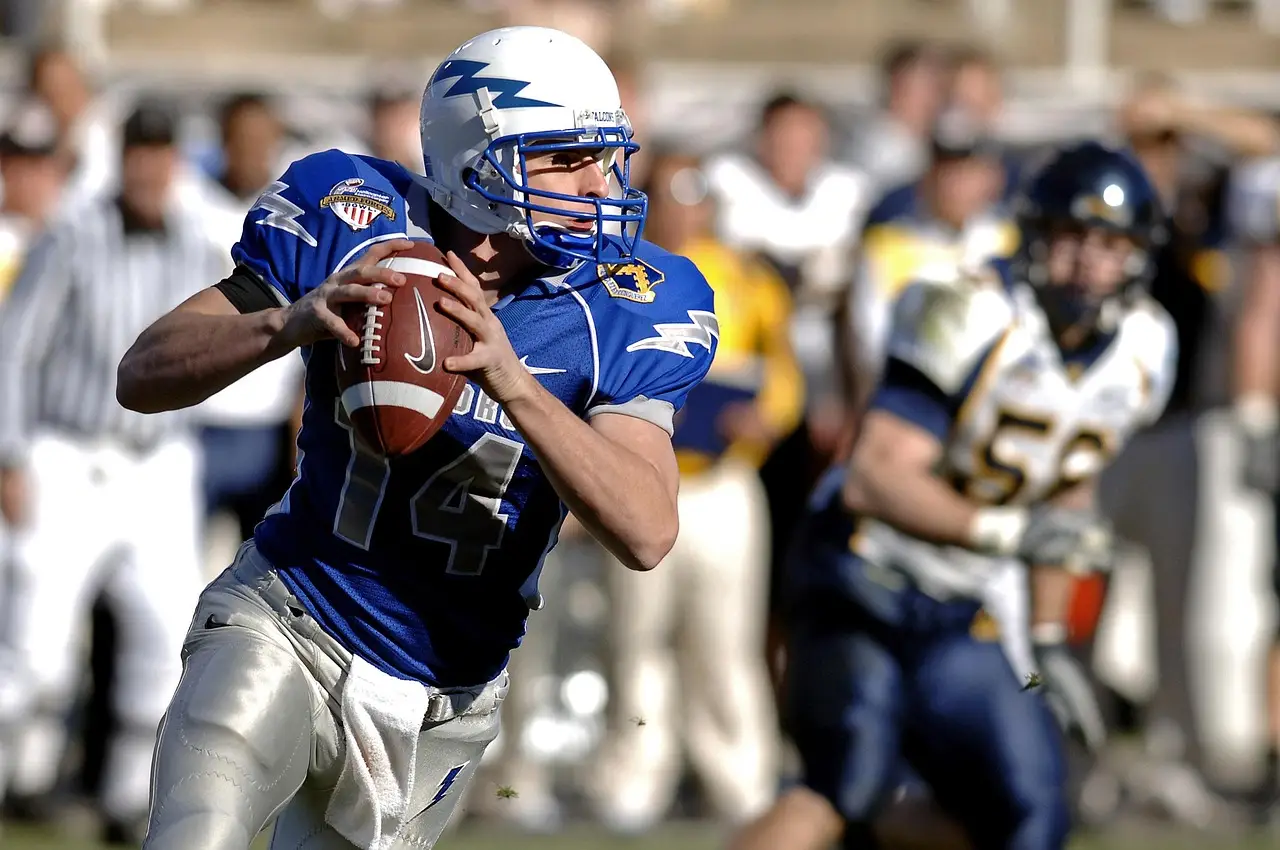
The original wasn't generated. It was actual footage of Paul, shot on a 360-degree camera on a football field with a monopod, then transformed through VFX work into the kaleidoscopic piece. Paul, Paul says, made it with Cache Bunny and L.A.-based Fararooy seven years ago. "Ari and Cache Bunny had a bunch of concepts ready for me, and I added my unique spin of action to it," Paul said. "We took an afternoon to shoot this, and then Cache Bunny worked her VFX magic and the result blew me away."
What does this change for working videographers?
In practice, it sharpens the licensing question. Cache Bunny put it plainly: "I can't understand why they didn't just reach out to license the clip, or make their own version inspired by it." That's the commercial core of the story. A licensed six-second clip is a routine transaction; an AI-generated copy of it is, currently, a gray zone with no invoice attached.
Paul's grievances are oddly measured. "When I thought about AI stealing my job one day, I was worried about those damn Boston Dynamics robots that keep getting better at parkour, not rappers," he said. He's also not aiming at the artist. "I'm not mad at ASAP Rocky. I love the dude's music. We even used it for one of our videos before. I'm sure he got his share of pay for clicks on that. It'd be nice if it went the other way."
His working theory is institutional, not personal. "It's probably not his label's fault; they don't know every clip that was uploaded to Instagram and can spot a copy right away. Who can?" Paul said. "But somebody along the line took that clip and thought it was fine to leave it that way."
The chain of responsibility, so far, dead-ends quickly. Paul says he asked the director of "Shroom Clouds," who told him he shot the music video five years ago and that it's "out of my hands." A five-year-old edit resurfacing with AI augmentation complicates attribution further — the credited AI artists may have worked from reference material that predates them.
What happens next?
The creators are weighing options rather than filing anything yet. Paul says he's considering his options. Cache Bunny wrote on her Instagram story: "stealing artists' work is not ok, and's not the precedent we want to set." No lawsuit, takedown, or settlement figure has been announced.
The irony has a soundtrack. Rocky recently told Complex magazine he avoids using AI to create music from a prompt, though he doesn't judge those who do. His position on AI-generated visuals in his own credits remains, publicly, quieter.
For commissioned shooters and VFX artists, the practical takeaway is unglamorous: register your work, watermark what you post, and keep dated project files. And if a major-label production wants your footage, the polite fiction is that they'll ask. Increasingly, the algorithm doesn't.
via instagram.com (Original)
More from Elena Vasquez
Show full bio
Staff writer covering money, funding and market shifts around professional photography industry at Photo Trade Wire.
87 articles