FR-0A19ƒ/11 · 1/500 · ISO 400Roll /ai-imaging
F1’s reported AI transitions raise broadcast disclosure questions
Digital creator Matt Amys says F1 has used AI to bridge real camera shots since at least August’s Dutch Grand Prix, but Formula 1 did not answer PetaPixel’s questions about the workflow.
Processing notes
- Matt Amys says F1’s broadcast team has used AI transitions since at least the Dutch Grand Prix in August 2026.
- Formula 1’s October 11, 2026 post showcased Max Verstappen’s pit-stop transition at the Singapore Grand Prix.
- The Singapore sequence visually moved from a pit-lane camera operator to a point above Verstappen’s cockpit.
- Amys says the system bridges two real camera shots instead of generating the underlying race footage.
- PetaPixel says Formula 1 did not respond to its request for clarification.
By Nathan Brooks
Formula 1’s broadcast team has reportedly used AI-generated transitions since at least the Dutch Grand Prix in August 2026, according to Matt Amys, a digital creator who explains how the racing series works.
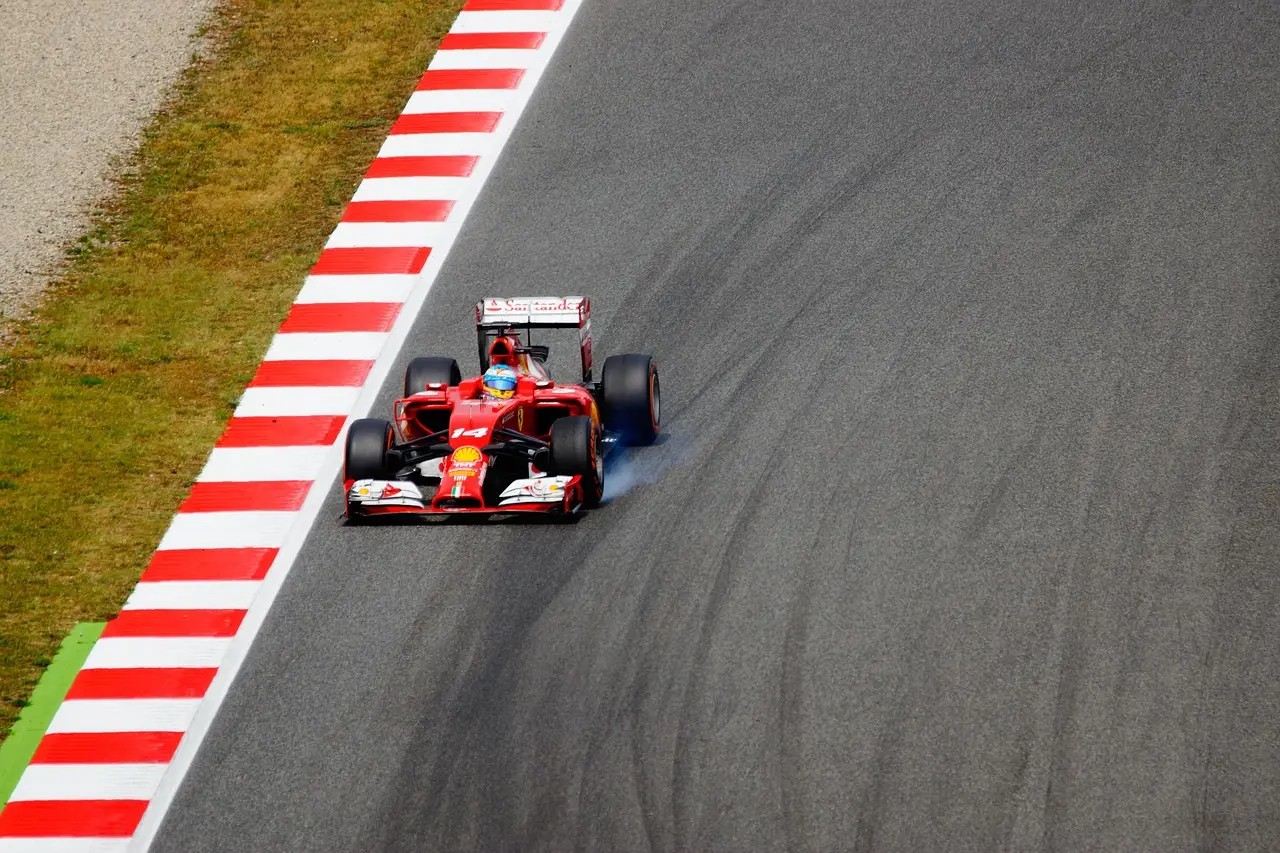
The latest example surfaced in an October 11, 2026 Formula 1 social post featuring four-time champion Max Verstappen’s pit stop at the Singapore Grand Prix a couple of weekends earlier. Fans had flagged similarly physics-defying transitions at the last couple of races, and social-media users have treated them as evidence of AI.
A camera operator appeared to film Verstappen from the pit lane; as the Red Bull driver pulled away, the operator seemed to fly with him. The picture then transitioned seamlessly from the pits to a view just above Verstappen’s cockpit. Formula 1 called the clip seamless and included the tags #F1 and #SingaporeGP.
What exactly is the AI generating?
Amys says the system does not generate the racing footage. It fills the bit between two real camera shots, according to his explanation.
“The way I believe this works is that you give it the first point and the end frame of these two real camera positions, then you tell it to create the missing movement between those two camera positions,” Amys said.
The output produces camera movement that never happened in real life, he said. In Amys’s account, the race action and anchor shots come from real footage, while the intervening motion may be synthetic.
Neither the viral appearance nor Amys’s explanation identifies the model, vendor or operator, and the report does not say who supplied the start and end frames or how long the process took.
Can viewers spot the seam?
Amys says viewers may catch errors such as illegible lettering on car decals. He also points to the footage slowing before abruptly speeding up, as in the Verstappen shot.
A similar sequence involving George Russell racing in Azerbaijan showed a trackside camera appearing to join Russell’s Mercedes. PetaPixel watched the clip, but the video has apparently disappeared from the internet, presumably at Formula 1’s request. Neither the removal nor F1’s role in it has been confirmed.
Formula 1 did not respond to PetaPixel’s request for clarification. Its October 11 post called the Singapore sequence seamless without naming AI, a tool or a production method. Social-media conviction is not company confirmation. The claim remains unconfirmed.
What does this change for production photographers?
For working photographers and photo producers, the reported method reframes an apparently impossible camera move as an editorial bridge between two real positions. That can matter when clients ask whether a shot is one continuous take, whether a camera path was physically possible and whether synthetic motion has been disclosed.
It does not justify buying new AI gear or repricing live assignments on this evidence alone. The practical issue is workflow and disclosure, not the race footage itself.
Broadcast crews may need to document which frames are captured, which movement is generated and who approves the final transition. The source provides no production specification, licensing or fee structure, client approval rule, outside availability date or framework for training crews and editors.
Reactions have not been uniform. “I think in terms of artistic integrity a scene or cut transition is one of the least offensive uses of AI out there,” Reddit commenter DavidBrooker wrote while discussing the matter. Others objected to the use of AI, while some viewers accepted it as inoffensive.
Viewers will look for another seamless transition as Formula 1 arrives in Texas this weekend. If the series repeats the effect without identifying the system or disclosing its role, photographers should treat the technique as a claimed workflow, not a settled production standard, and keep contractual questions about synthetic camera motion in client discussions.
via x.com (Original)
More from Nathan Brooks
Show full bio
Correspondent covering regulation, policy and their impact on professional photography industry at Photo Trade Wire.
102 articles