FR-AF2Aƒ/4 · 1/60 · ISO 400Roll /photo-business
California's Privacy Session Ends With Signed, Vetoed and Dead Bills
Nixon Peabody's session roundup sorts California privacy bills into signed, vetoed and dead — with real compliance consequences for photo businesses holding client data.

Processing notes
- California's latest legislative session ended with privacy bills signed, vetoed and deleted
- Nixon Peabody published a business-focused roundup of the session's privacy outcomes
- Vetoed and deleted privacy bills are likely to be reintroduced in future sessions
- Client data held on California residents remains presumptively regulated
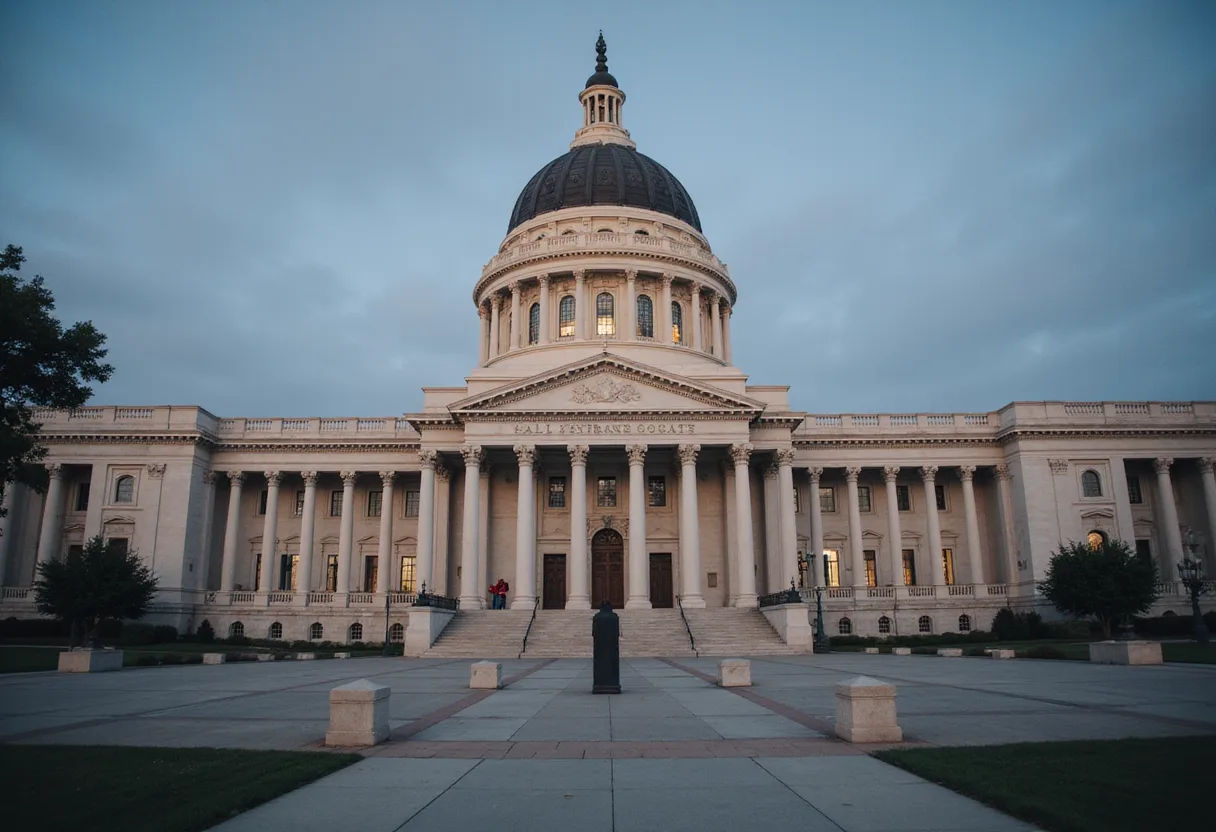
California closed its latest legislative session with a mixed bag for privacy law: some bills signed, some vetoed, and some deleted outright before reaching the governor's desk. That is the tally law firm Nixon Peabody lays out in its new overview of the state's privacy legislation, aimed squarely at businesses that collect and process consumer data.
For photo businesses, the subject is not abstract. Studios, agencies and freelance shooters all hold client names, contact details, addresses and — increasingly — biometric-adjacent material from portrait and event work. Any change in California's privacy rules touches booking systems, CRM databases and delivery platforms that store client records.
What did the legislature actually do?
Nixon Peabody's piece sorts the session's output into three buckets, per its title: deleted, vetoed, and barred. Bills that were deleted died in committee or were pulled by sponsors. Bills that were vetoed reached the governor and stopped there. The remainder survived and now carry compliance obligations for covered businesses.
The firm frames the roundup as practical guidance — what businesses need to know — rather than a technical legal memo. It's the kind of checklist-driven summary an operations manager can act on without a lawyer on retainer.
What does this change for photographers?
The practical question is what a working studio must do differently now. The answer depends on which side of the signed-versus-vetoed line each measure fell, and Nixon Peabody's breakdown is the map. Broadly, California's privacy regime keeps tightening around data collection, retention and deletion requests — the daily mechanics of any client database.
A few working rules follow:
- Any client data you store for California residents is presumptively regulated.
- Deletion and access requests are not optional courtesies; they're compliance obligations.
- Session outcomes shift the timeline, not the direction. The state is adding obligations, not shedding them.
Photography businesses with national client lists generally apply the strictest applicable standard. California's rules tend to become the de facto national baseline because vendors build to them first.
The vetoed and the dead
Vetoed bills matter too. A governor's rejection signals where the executive branch thinks the legislature overreached, and sponsors frequently reintroduce similar language the following session. Deleted bills follow the same pattern — quiet death in committee, then resurrection.
So the smart read is that nothing vetoed this year is gone. It's postponed.
Why a law firm's roundup is worth your time
Nixon Peabody's summary earns attention because it distinguishes what's legally effective now from what's still in motion. That's the same discipline this trade applies to gear announcements: shipped products versus rumors.
For photo businesses, the operational takeaway is a calendar item, not a panic. Review your client-data handling annually, watch for reintroduced bills next session, and treat any new signed measure as a compliance task with a deadline. The California legislature, like the industry it regulates, never really stops shipping.
via Google News: Camera industry & CIPA shipments (Source)
More from Elena Vasquez
Show full bio
Staff writer covering money, funding and market shifts around professional photography industry at Photo Trade Wire.
59 articles