Cosina's Voigtländer NOKTON 35mm f/1.2 Aspherical Lands on Z-Mount
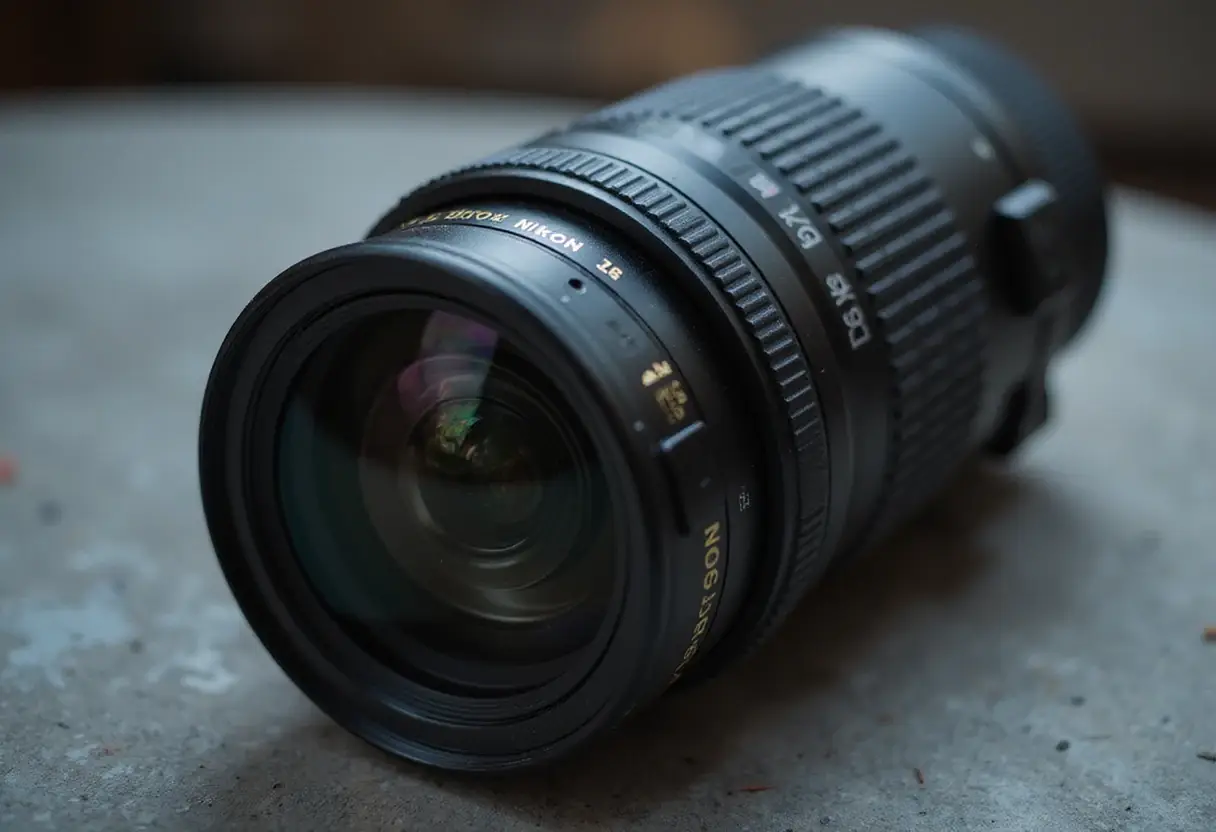
Cosina's 390g manual-focus Voigtländer NOKTON 35mm f/1.2 Aspherical for Nikon Z-mount ships December 2026 at ¥143,000, the 16th Voigtländer for the system.

Processing notes
- Cosina announced the Voigtländer NOKTON 35mm f/1.2 Aspherical for Nikon Z-mount on November 13, 2026
- Japanese retail price is ¥143,000 including tax; release date December 2026
- The lens is the sixteenth Voigtländer optic for Nikon Z-mount
- Z-mount version weighs 390g, measures 67.6 x 62.4mm, focuses to 0.3m with a 12-blade aperture
- Optical design: 9 elements in 7 groups with two double-sided aspherical elements, derived from the 2003 VM-mount model
Cosina announced the Voigtländer NOKTON 35mm f/1.2 Aspherical for Nikon Z-mount on November 13, 2026, with a Japanese retail price of ¥143,000 including tax and a December 2026 release date. The lens becomes the sixteenth Voigtländer optic offered for Nikon's mirrorless mount, extending a third-party lineup that now covers focal lengths from 15mm to 75mm.
Pre-orders are expected to open shortly at B&H, Erhardt and WEX. Cosina ships the lens in Sony E-mount as well, and both versions share the same optical formula.
What are the working specifications?
The lens is a full-frame, manual-focus prime built around nine elements in seven groups, including two double-sided aspherical elements (lenses with non-spherical surfaces that correct aberrations in fast designs). Key figures for the Z-mount version:
- Focal length: 35mm; aperture range f/1.2 to f/22
- Minimum focusing distance: 0.3m; maximum magnification 1:5.8
- Angle of view: 61.7 degrees on Z-mount
- Dimensions: 67.6mm diameter x 62.4mm length; weight 390g (the E-mount version is 380g)
- Filter thread: 58mm; dedicated hood included
- 12 aperture blades for near-circular bokeh
That weight is the notable figure. At 390g, the lens is roughly the mass of a typical 50mm f/1.8 autofocus prime, while offering a stop and a half more light than a 35mm f/2.
How does it integrate with Z bodies?
Unlike adapted rangefinder glass, the Z-mount version carries electronic contacts. Paired with a compatible body running current firmware, the lens transmits EXIF data, engages 3-axis in-body image stabilization (the camera's sensor-shift shake reduction), and supports three focus aids: color change of the focus point frame, focus peaking, and magnified view via the camera's button.
The all-metal helicoid (the threaded focusing mechanism) uses precision-machined parts and high-quality grease to give smooth, damped torque for fine manual adjustments. The focus ring carries a classic knurled pattern, which Cosina highlights for grip.
Where does the design come from?
The optical lineage traces to the VM-mount (Voigtländer's screw-mount rangefinder standard) NOKTON 35mm f/1.2 Aspherical, released in April 2003 as the world's first full-frame 35mm f/1.2 semi-wide-angle lens. That original has remained a long seller through incremental refinements. Cosina states the NOKTON designation applies to its lenses with maximum apertures faster than f/1.5.
The new E-mount and Z-mount versions rework that formula around two double-sided aspherical elements, optimized for the short flange distance and sensor stacks of mirrorless cameras. Cosina positions the lens against a clear trend: fast mirrorless primes tend to grow in element count, size and weight. The company argues the best balance between optical performance and mobility, in its words, "creates rich value for users."
The 0.3m minimum focusing distance is part of that argument. Close focus widens the effective bokeh at f/1.2, increasing usable shallow-depth frames in tight working spaces.
Who is this for?
The lens targets photographers who prioritize size, build and rendering over autofocus speed — event, documentary and portrait shooters working in low light, plus video operators who value clickless or mechanically consistent manual rings. Note that the Z-mount description makes no mention of the E-mount version's click-toggle aperture or distance encoder; Z users get EXIF, stabilization support and focus aids, but should verify aperture ring behavior before purchase.
Availability begins December 2026 at ¥143,000 in Japan, with Western pricing to be confirmed as retailer listings go live.
via nikonrumors.com (Source)
More from Amara Osei
Show full bio
Market editor covering companies, deals and strategy in professional photography industry at Photo Trade Wire.
167 articles