FR-3A5Bƒ/8 · 1/125 · ISO 400Roll /gear-industry
DJI, Hasselblad Open First Shared Tokyo Store on Oct. 31
DJI and Sekido open Japan’s first shared DJI-Hasselblad store in Omotesando on October 31, pairing a drone flight cage with medium-format demos and multilingual advice.
Processing notes
- Japan’s first shared DJI-Hasselblad store opens in Omotesando, Tokyo, on October 31.
- The two-story location includes a permanent indoor drone flight cage and multilingual one-on-one service.
- The 100-megapixel Hasselblad X2D II 100C costs above 1 million yen, roughly $7,000.
- The X2D II 100C sold out at many major Japanese photo retailers at launch.
- DJI’s reported Japanese video-camera market share exceeded 70% earlier in the year.
By Grace Kim
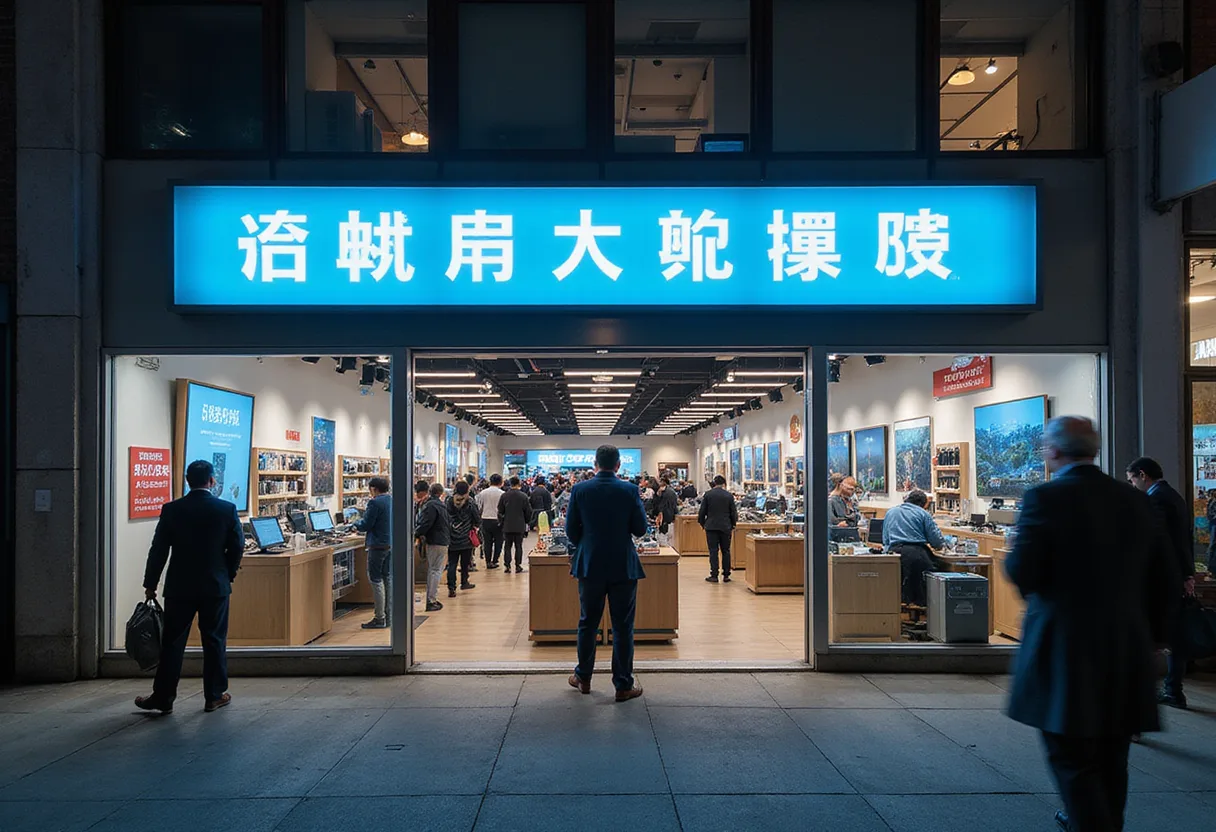
DJI and its Japanese domestic distributor, Sekido Co., Ltd., will open Japan’s first DJI and Hasselblad Dual-Concept Flagship Store in Tokyo’s Omotesando district on Saturday, October 31, combining the drone maker’s video tools with Hasselblad’s medium-format cameras in a two-story retail format.
The project, also identified as the DJI | Hasselblad Authorized Concept Store, will sell DJI drones and cameras plus Hasselblad cameras and lenses. Its Omotesando location in an upscale Tokyo shopping district gives the brands a shared physical sales channel rather than separate product counters. Photographers can inspect both ecosystems, ask questions and buy equipment without visiting different retailers.
What does the store change for photographers?
The practical change is access to hands-on evaluation and expert consultation before purchase. Sekido said customers had asked for a dedicated place to try DJI products and consult experts about selecting equipment. The store will provide one-on-one service in Japanese, Chinese and English, making that consultation model explicit rather than leaving it to a conventional sales counter.
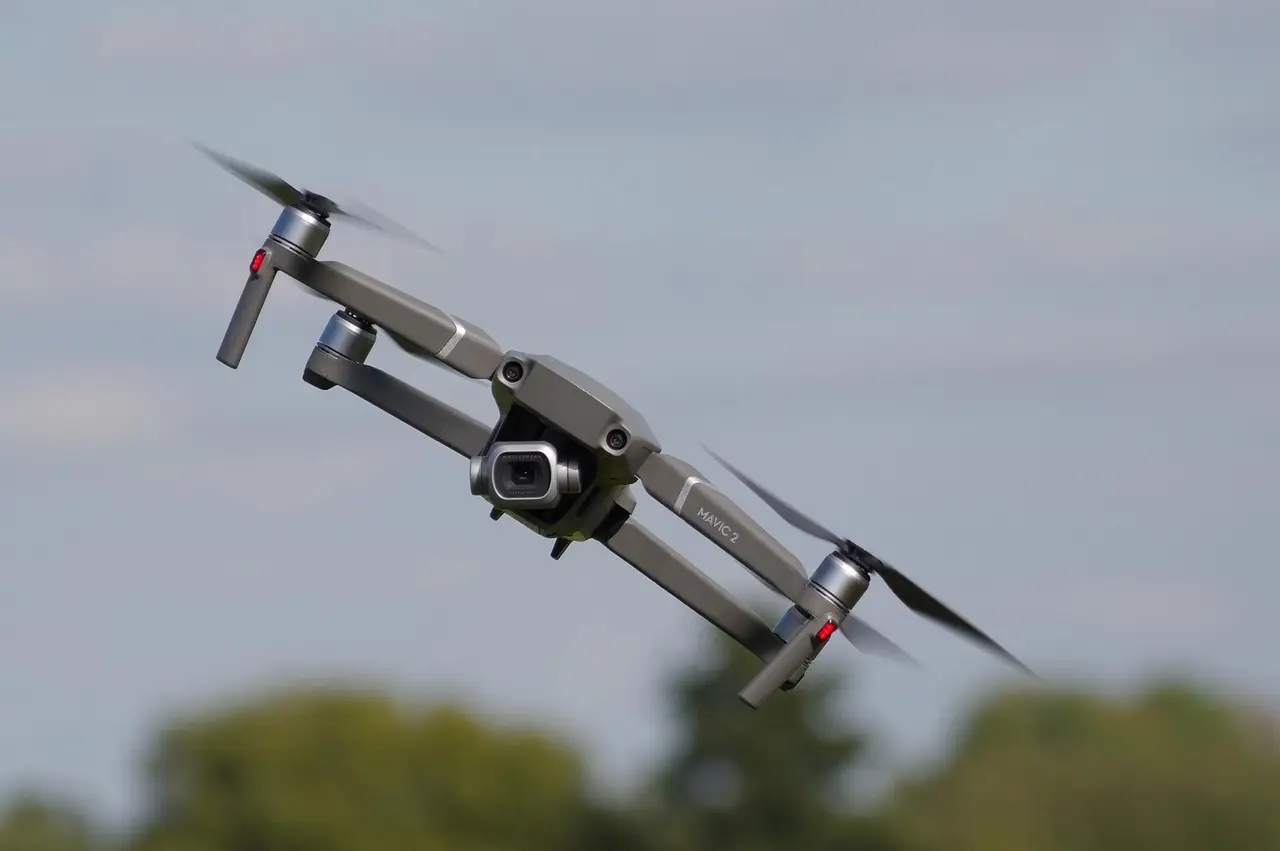
The first floor will feature DJI products. Customers can handle the latest drones, handheld gimbals and action cameras, and they can test drones inside a permanent indoor “Drone Flight Cage.”
The cage gives prospective buyers a controlled way to experience the products before committing to a purchase. The announcement does not specify which drone models will be available for test flights or whether opening-day inventory will include every listed retail item.
The second floor will feature Hasselblad’s touch-and-try area, with medium-format mirrorless cameras and XCD lenses, plus an art gallery and premium lounge. That format targets buyers considering a high-cost system, while the shared DJI floor can draw a broader audience familiar with DJI’s action and aerial products.
Opening a flagship does not establish market share. Sustained Hasselblad growth will depend on sales and repeat demand after the launch promotion; the announcement provides no longer-term sell-through target or store inventory plan.
The retailer’s rationale rests on two different market positions. Sekido said DJI product use has “rapidly expanded” in Japan across aerial photography, film and video production, still photography and industrial applications.
The source put DJI’s video-camera share in Japan at more than 70% earlier in the year, placing the company above seven in 10 on the stated market-share measure. The announcement did not provide a precise measurement period, research firm or methodology behind that figure, so it should not be treated as a full market audit.
Sekido supplied no unit-sales series in the announcement, leaving the distributor’s characterization unquantified.
Hasselblad approached the shared store from a weaker position. Earlier PetaPixel reporting described the Swedish brand, now owned by DJI, as having had little foothold in Japan before its newest camera, the 100-megapixel medium-format X2D II 100C.
The camera sold out at many major Japanese photo retailers at launch. That source called the result unusual for a premium camera priced above 1 million yen, roughly $7,000. Strong initial demand can improve retailer confidence in dedicated floor space, but the source provides no subsequent sell-through figures.
The new channel may still matter commercially. A dedicated store gives Sekido a place to demonstrate DJI products across several professional uses while giving Hasselblad direct access to the same customers. It also creates a controlled environment for consultations in three languages, potentially reducing the friction of buying unfamiliar camera systems.
For working photographers, that means more product handling and advice at one location. For Sekido, it means a larger physical commitment than a conventional electronics counter, with revenue still dependent on foot traffic and conversion after the opening weekend.
Opening-day promotion
A ceremony on Saturday, October 31 will include an opening ceremony, a Hasselblad photography event and limited-edition giveaways. The promotional items include Hasselblad cleaning cloths and stickers, plus black-and-white mascot cat keychains wearing fruit-themed hats.
Those details point to a brand-led launch rather than a disclosed discount campaign. The announcement gives no sale pricing, inventory targets, store hours or online ordering arrangements.
What to watch after opening is whether the two brands can convert foot traffic into sustained sales, particularly for Hasselblad’s high-priced medium-format bodies and lenses. The October 31 launch supplies a physical test market for that question, while DJI’s flight cage and multilingual consultations show how Sekido intends to make trial use part of the sales process.
After opening, sustained sales—not launch-day foot traffic—will show whether Sekido can turn product trials and multilingual advice into revenue for both brands.
via prnewswire.com (Original)
More from Grace Kim
Show full bio
News editor covering technology and product news in professional photography industry at Photo Trade Wire.
126 articles