FR-5A43ƒ/2.8 · 1/250 · ISO 400Roll /gear-industry
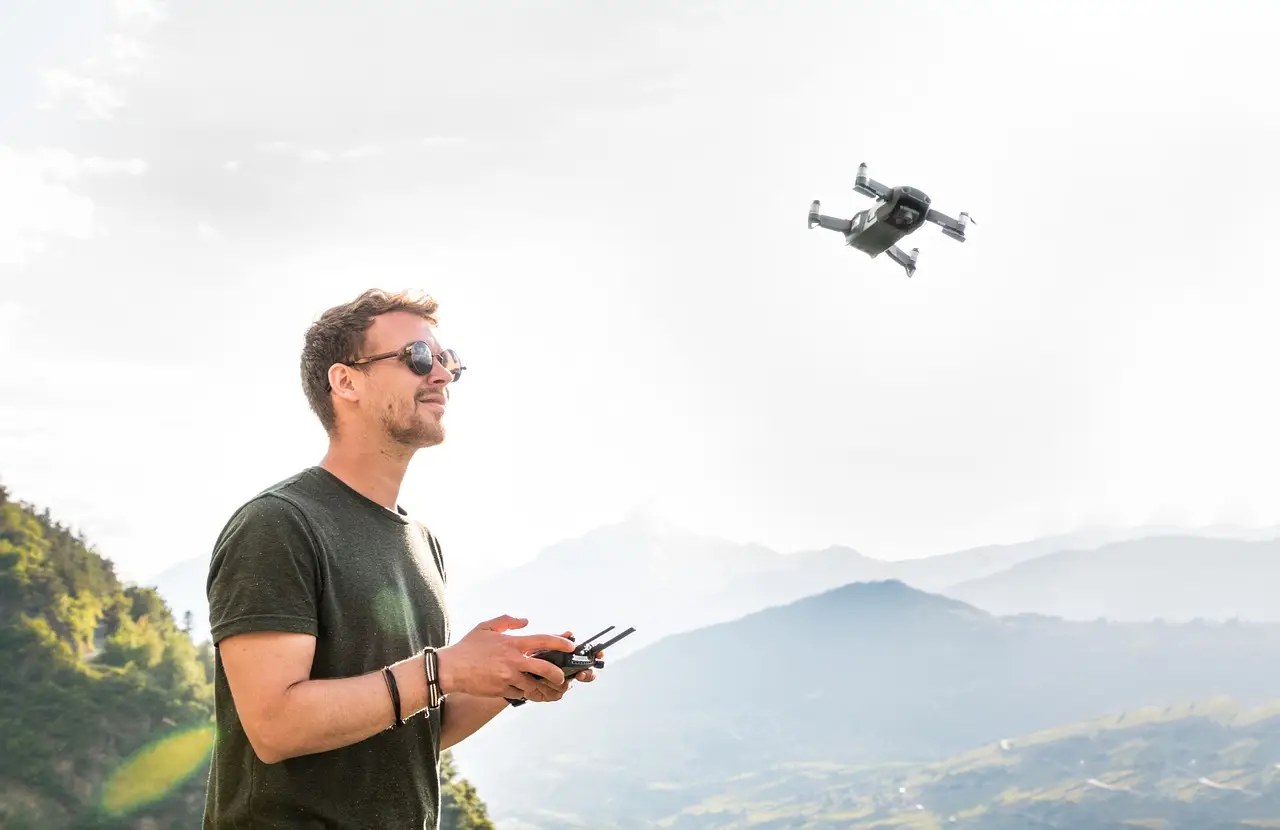
DJI Matrice 5T Quadruples Thermal Resolution, Reads Plates at 400m
DJI's Matrice 5T quadruples thermal resolution to 1280x1024, extends laser ranging to 3km and reads license plates from 400m — but US import rules still block the newer hardware.
Processing notes
- The Matrice 5T's 1280x1024 thermal camera quadruples the previous native resolution.
- 176x hybrid zoom resolves license plates from 1,300ft (400m), per DJI.
- Laser range finding increases from 1.8km (Matrice 4T) to 3km.
- Flight time is 59 minutes; the drone can land on a moving boat.
- US buyers can only get the Matrice 30T (1.2km rangefinder) due to import rules.
DJI has quadrupled the native thermal resolution of its flagship compact enterprise drone. The new Matrice 5T carries a 1280x1024 thermal camera, a fourfold jump over its predecessor, and the company says its 176x hybrid zoom can resolve a license plate number from 1,300 feet — about 400 meters — out.
For aerial survey and inspection operators, that single spec change is the story. Thermal work at distance has always been resolution-bound; a 1K sensor means smaller anomalies on power infrastructure, roofs or pipelines become identifiable rather than merely detectable. Fewer repositioning flights per job. That translates directly into billable hours saved.
What does the camera array actually deliver?
The 5T stacks four imaging tools:
- A 1/0.98-inch wide-angle sensor
- A 50MP medium telephoto with 3x optical zoom
- A long telephoto with 11x optical zoom, extendable to 176x hybrid
- The 1280x1024 thermal unit, the first 1K thermal in the Matrice compact line
DJI claims the obstacle-sensing suite can pick out objects as thin as power cables. Treat that as a manufacturer figure until independent field tests appear — cable detection is the claim every enterprise drone maker makes and the one that most often disappoints in real wind and glare conditions.
Laser range finding jumps from 1.8km on the Matrice 4T to 3km. US buyers should note the caveat: the most recent model actually available stateside is the Matrice 30T, with a 1.2km rangefinder, because import rules block the newer hardware. American operators planning workflows around the 5T's specs need to check whether they can legally acquire it at all.
Sensing in the dark and under bridges
The omnidirectional array uses what DJI calls full-color fisheye sensors, enough to hold a hover in light as dim as 0.5 lux. Past that, in pitch-black forest, the LiDAR carries obstacle sensing on its own. The mmWave radar matters most under bridges and covered structures where GNSS satellites drop out — a known dead zone for inspection work.
The airframe keeps the enterprise baseline: LiDAR, mmWave radar, IP55 waterproofing. Flight time is 59 minutes, enough to cover a full inspection grid on one battery rather than two. It can also land on a moving boat — a capability that until recently demanded specialized equipment, though consumer products like the HoverAir Aqua now offer a cheaper approximation of it.
Who is this for?
Not wedding shooters. DJI targets the 5T at power infrastructure survey crews, law enforcement, mapping and inspection contractors — clients who pay for accuracy and weather tolerance. The onboard AI can identify and track 20 target types, and the list runs beyond vehicles: truck, bus, car, forklift, plus fire and smoke. For public-safety contracts, automated fire-and-smoke detection during flight could cut response times and open new billing categories for drone service providers.
Both the 5T and the 5TD are now listed on DJI's site. Pricing wasn't in the announcement, so budget against the outgoing Matrice 4T's enterprise tier until dealers publish numbers.
The wider signal for the industry: the gap between enterprise and prosumer capability keeps narrowing from the top. A 1K thermal sensor, 3km rangefinding and moving-vessel landings in a compact airframe were flagship-adjacent features two generations ago. Expect DJI's enterprise line to keep pulling inspection and survey budgets away from manned aircraft and ground crews — and expect competitors like Autel and Skydio to answer the thermal-resolution move within a product cycle.
via digitalcameraworld.com (Source)
More from Nathan Brooks
Show full bio
Correspondent covering regulation, policy and their impact on professional photography industry at Photo Trade Wire.
111 articles