Von Unwerth Kicked 50 Shooters Off a L'Oréal Set Taking Her Frame
Ellen von Unwerth says fashion photography's economics are broken: budgets went to events and influencers, payment terms stretched, and 50 people now shoot the same frame on set.
Processing notes
- Von Unwerth: 'There's no money left in fashion photography' — budgets now go to events and influencers
- Payment waits have lengthened while delivery deadlines compress to 'tomorrow — or even yesterday'
- She ordered everyone off a L'Oréal set after finding ~50 people shooting the identical frame
- Fashion photo studios are reportedly closing as brands adopt AI for cost savings
Ellen von Unwerth, one of the most in-demand fashion photographers working today, has delivered a blunt verdict on her own market: "These days, there's no money left in fashion photography."
Speaking to Fashion Network France, the photographer — whose four-decade career has made her one of the most influential figures in the genre, known for bold, playful images of women — described an industry where the economics no longer resemble the ones that built her name.
"It's nothing like it used to be, when there were 10 pages in magazines and newspapers, and posters everywhere," von Unwerth said. "You don't see that anymore. You don't see the big billboards anymore."
Where did the money go?
Her diagnosis is straightforward. Brands now direct their budgets toward events and influencers rather than traditional print ad campaigns, and the residual pool for commissioned photography has shrunk accordingly.
"Now, the money goes into events, influencers… So there's almost no money left," she said. "You have to wait a very long time to get paid. And then they want the photos tomorrow — or even yesterday!"
That combination should sound familiar to any working commercial shooter: longer payment terms on one side, compressed delivery expectations on the other. Von Unwerth says she now also faces less creative freedom than she did earlier in her career.
She contrasts today's set with the era when photographers ran the room. "Before, we were on our own on set. It was really just us, the photographers. We were the bosses; we did our own thing. It was our kingdom; it was secret."
Who actually took the picture?
The second structural change she names is authorship — or its dilution. Modern fashion sets, she says, carry multiple photographers at once, from dedicated behind-the-scenes (BTS) shooters to specialists working in different styles, which makes it hard to establish who captured a given published image.
"Nowadays, there's the BTS photographer. Then there are the BTS of the BTS. There are three other photographers doing different styles," she told Fashion Network France. "And I fought against that for a long time, but I've given up. Now there are five people taking pictures behind me. And you don't know, when it comes out: 'Is it my photo or is it someone else's?' In the end, I just say it's my photo!"
Her frame of reference is telling: she compares the modern fashion shoot to a film production, where a director oversees several camera operators rather than shooting everything personally. Attribution, in that model, migrates from the person behind the camera to the person running the set.
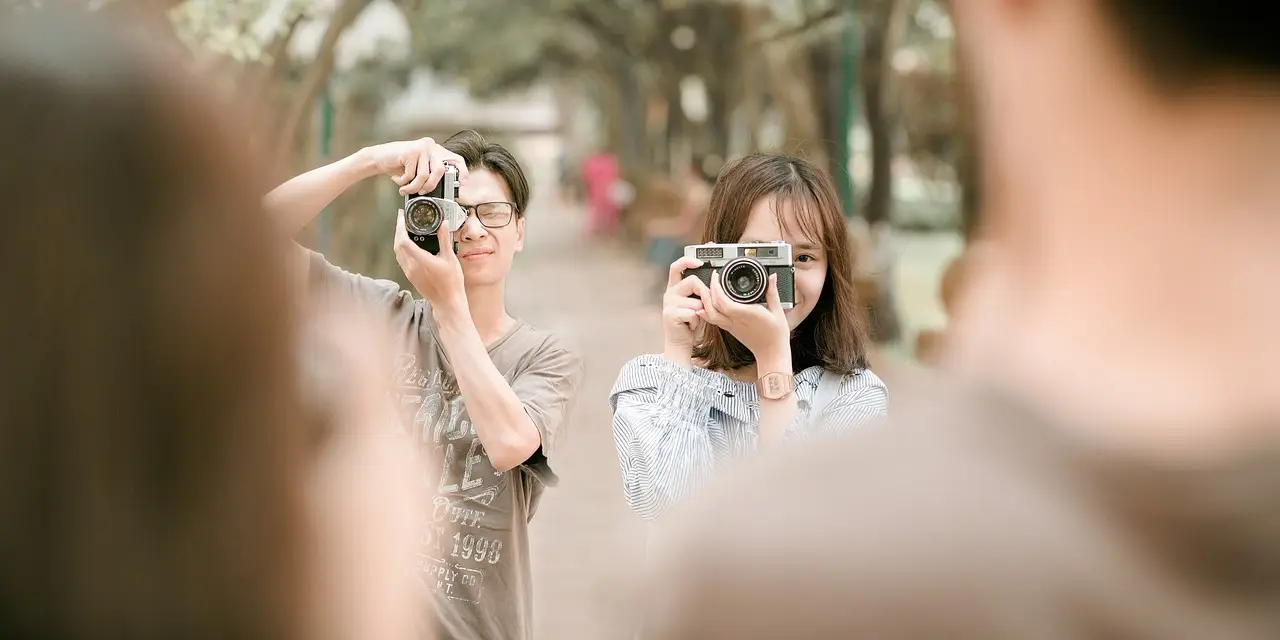
The point has a limit, and she has hit it in practice. Recalling a shoot for beauty brand L'Oréal, von Unwerth says she discovered around 50 people behind her taking exactly the same photograph. Frustrated, she ordered everyone to leave.
Fifty identical frames, one invoice. That's the arithmetic.
What does this change for working photographers?
On its own, nothing — one photographer's testimony doesn't move a market. But von Unwerth's account lands weeks after a separate report found fashion photo studios closing down as brands embrace AI for the cost savings it offers. A top-tier name declaring the category's economics broken, on top of documented studio closures, suggests the pressure on editorial and campaign rates is structural, not cyclical.
Her prediction, implied rather than stated: the brands will keep spending, just not on photographers. Whether the survivors are the ones who own the set — or the ones who own the client relationship — is the question the next decade of fashion commissions will answer.
via ww.fashionnetwork.com (Original)
Filed underFashion PhotographyEditorial PhotographyCommercial PhotographyAI Generated ImageryPhotographer Rates
More from Elena Vasquez
Show full bio
Staff writer covering money, funding and market shifts around professional photography industry at Photo Trade Wire.
137 articles