Life on Film turns $50K in film costs into seven-figure revenue
Life on Film hits seven-figure revenue, 8 million followers and 2 billion views by handing strangers film cameras, with Fujifilm as anchor sponsor and Super 8 outperforming disposables.
Processing notes
- Life on Film is a profitable, bootstrapped seven-figure revenue business tracking 90% year-over-year growth, per cofounder Grant Weintrob
- The studio expects to spend about $50,000 on cameras, film, and developing in 2026
- 8 million followers and over 2 billion views across Instagram, TikTok, and YouTube; founded 2023, full-time by end of 2024
- Fujifilm is the biggest partner, supplying disposable cameras and sponsoring the 'Blind Date' Instax series
- Super 8 content is outperforming disposable-camera content, though it raised expenses
Life on Film, the analog-camera content studio run by three founders in their late 20s, is a profitable seven-figure revenue business with no outside investment — and it expects to spend roughly $50,000 on cameras, film, and developing in 2026 alone, cofounder Grant Weintrob told Business Insider.
That gear bill is the cost base behind a distribution machine that now counts 8 million followers across Instagram, TikTok, and YouTube, and has accumulated more than 2 billion views across those platforms, according to Weintrob. Instagram is the largest channel. The company is on track for 90% year-over-year revenue growth.
The model is simple in execution, expensive in logistics. The team hands old-school film cameras to strangers — in airports, train stations, and on New York City streets — and asks them to document their lives. Participants mail the cameras back via QR-code instructions. Life on Film then cuts the developed footage into short, music-driven montages that routinely reach tens of millions of views.
How the money actually arrives
Most revenue comes from brand partnerships, with smaller shares from YouTube and Facebook ad-revenue splits. The client list includes Nike, Home Depot, American Express, Microsoft, Meta, and Universal Studios.
The team handles both inbound offers and outbound pitches, without talent management, because it positions itself as a studio rather than individual creators. Brand integrations face a creative gate: the work has to be "as entertaining as possible," cofounder Christian Baiocco said, and woven into the story rather than bolted on.
The anchor deal is Fujifilm. Under a long-term sponsorship, Fujifilm supplies the disposable cameras, and the team runs a sponsored series called "Blind Date," in which two strangers receive an Instax camera and film their set-up date. Life on Film is pitching a second longer-term series to travel companies that would send participants on trips.
What does this change for working content producers? It is a working proof that analog-native formats can command premium brand rates, and that a media company can scale on sponsorship economics without venture capital or talent agencies in the middle.
Why film, and why Super 8 is outperforming
The aesthetic thesis is counter-programming. Audiences distrust synthetic imagery; the comments under Life on Film videos call the channel "the antidote to AI slop."
"It's literally truly unscripted content that's captured on analog cameras," Baiocco said. "We really see it as a human storytelling platform," Weintrob added, describing the output as cinematic short films of everyday lives.
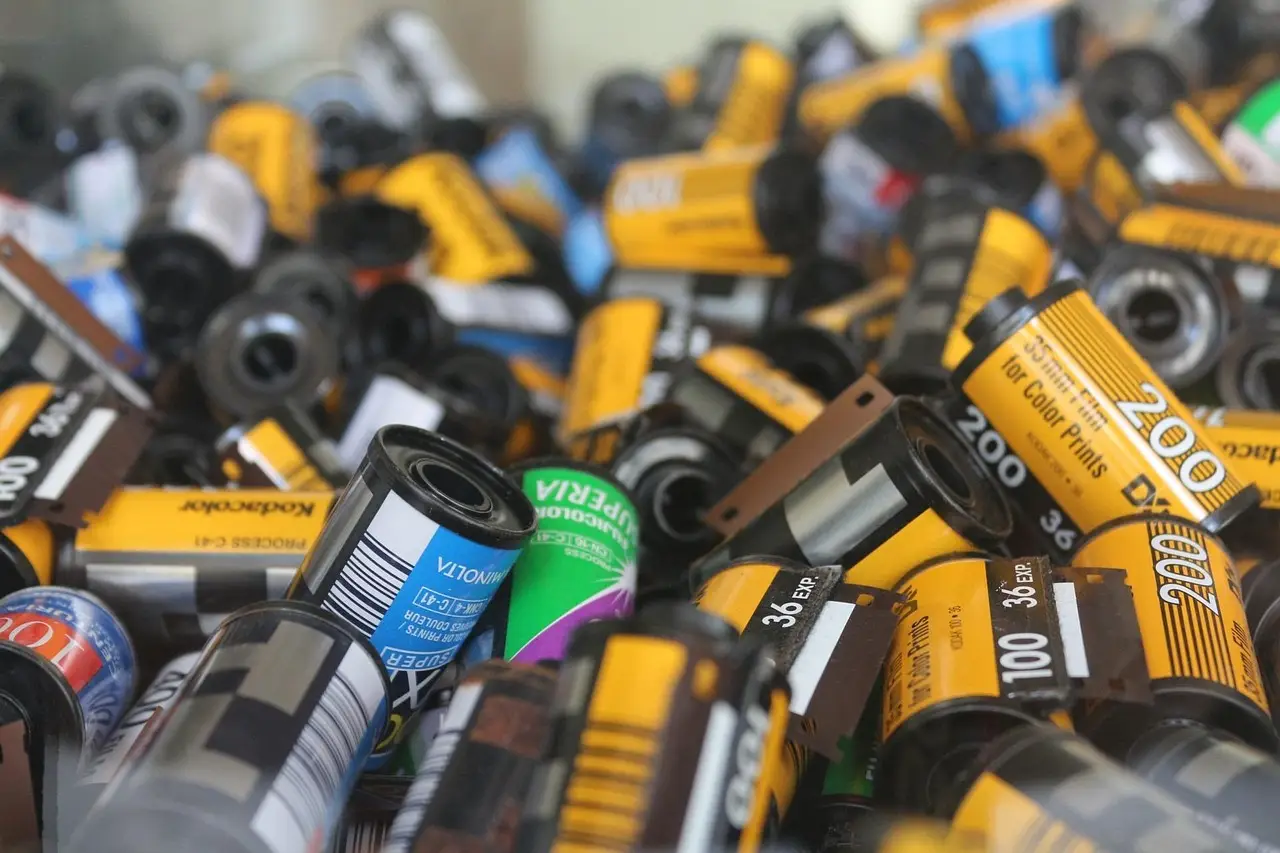
The bulk of the content still uses Fujifilm disposables, but the Super 8 work — shot on the Kodak film stock introduced in the 1960s — is outperforming it. "It's like a movie," Baiocco said. Super 8 also pushed expenses up. The risks are concrete: equipment breaks, users make errors, film comes back unusable, and sometimes participants simply steal the cameras.
The company operates from a Greenwich Village office steps from Washington Square Park, stocked with cameras, film, negatives, and stacks of participant letters. Founded in 2023 as a project handing out disposable cameras for nights out, the account moved fast: within a year it was filming with Ed Sheeran, Lil Yachty, Ice Spice, and former President Joe Biden. By the end of 2024, traction and brand deals made it a full-time business.
The street-level economics
The outreach is not staged, except for some celebrity or branded videos — a reporter verified a full production day in Harlem with Weintrob and full-time producer Dylan D'Agostino. D'Agostino carried several disposables and a few Super 8 cameras; Weintrob carried only an iPhone.
Acceptance rates are sobering for anyone copying the format. In one observed hour, six people accepted cameras and ten declined. Successful handoffs that day went to a couple, a dog walker, a mother with her child, and parents with a newborn. If a single video emerged from the day, "that'd be fantastic," Weintrob said.
What comes next
The roadmap moves beyond short vertical video. Life on Film plans direct-to-consumer products — coffee-table books and custom cameras — plus longer-form horizontal video aimed at traditional production studios.
"Our long-term goal is to have a studio that makes the best unscripted series on the internet," Weintrob said, positioning the eventual studio somewhere between A24 and Humans of New York. After the success of creator-made projects like "Backrooms" and "Obsession," he says the broader media industry now treats the work differently: "There is something bigger here to be made than just the 30-second Instagram Reel or TikTok."
With Hollywood, streamers, and platforms all circling creator studios — and 90% revenue growth to negotiate from — Life on Film's next move is likely a long-form deal that tests whether analog nostalgia can scale past the feed.
via feeds.businessinsider.com (Source)
More from Grace Kim
Show full bio
News editor covering technology and product news in professional photography industry at Photo Trade Wire.
174 articles