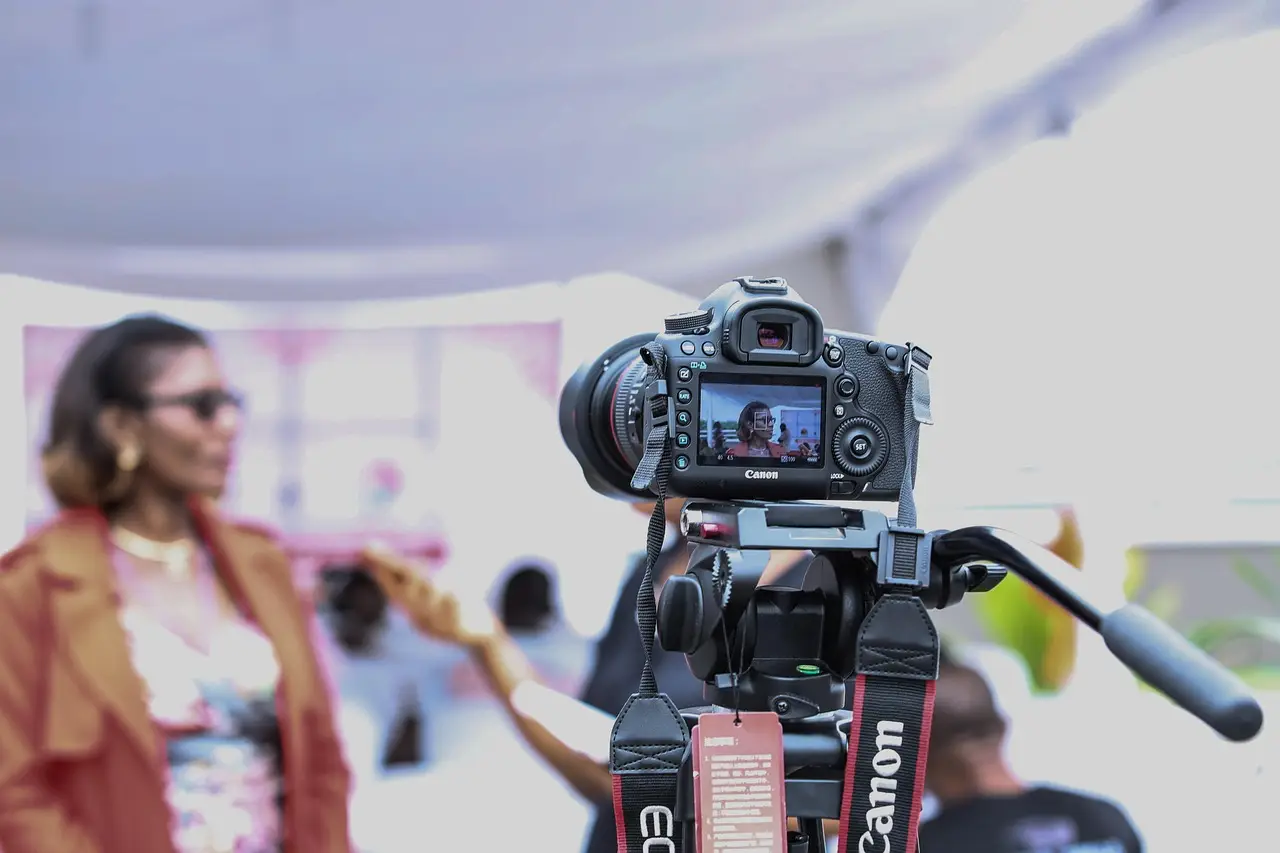
Heipi KB50 blends three tripod styles but calls it a 2-in-1
The Heipi KB50 fits a 95mm bag slot, weighs 560g, and merges ball, fluid and partial gimbal control. Its $269 Kickstarter price carries delivery risk.
Processing notes
- The 560g KB50 fits a 95mm bag slot with its handle removed.
- Heipi markets a ball, fluid and partial-gimbal design as a “2-in-1, not a 3-in-1.”
- Counterbalance covers 1.5-5kg, or 3.3-11 lb; the base clicks in 10-degree steps.
- Kickstarter price is $269, $80 below the expected $349 retail price.
- Heipi’s earlier 3-in-1 travel tripod launched on Kickstarter in 2022 and raised more than $1m.
The Heipi KB50 combines ball, fluid and partial gimbal operation in a 560-gram head, with Kickstarter backers paying $269 against an expected $349 retail price. Its headline specification comes with a familiar crowdfunding asterisk.
Heipi’s earlier 3-in-1 travel tripod launched on Kickstarter in 2022 and raised more than $1 million, about £760,000 or AU$1.5 million. The company is now back on the platform with a head for photographers working across stills and video. That earlier figure is not a disclosed KB50 campaign total.
Camera workflows are increasingly hybrid, and the KB50 tries to make that convergence less crowded in the camera bag. Its proposition is straightforward: replace a ball head (for positioning a still camera) and a fluid video head (for damped pans and tilts), then borrow selected functions from a gimbal head.
Heipi calls the KB50 a “2-in-1, not a 3-in-1,” while describing the gimbal-like function as only part of that head type’s capabilities. The borrowed feature comes from a gimbal head (a head that offsets an unbalanced camera-and-lens load). The distinction matters because the KB50 offers counterbalance without claiming every characteristic of a dedicated gimbal head.
What does the KB50 change for working photographers?
It could remove the need to carry and mount two specialized heads for mixed client work: the ball head changes angles quickly for stills, while the fluid head smooths deliberate movement for video. Fewer swaps can mean faster setup and a smaller kit. That is the practical pitch, not an independently measured result.
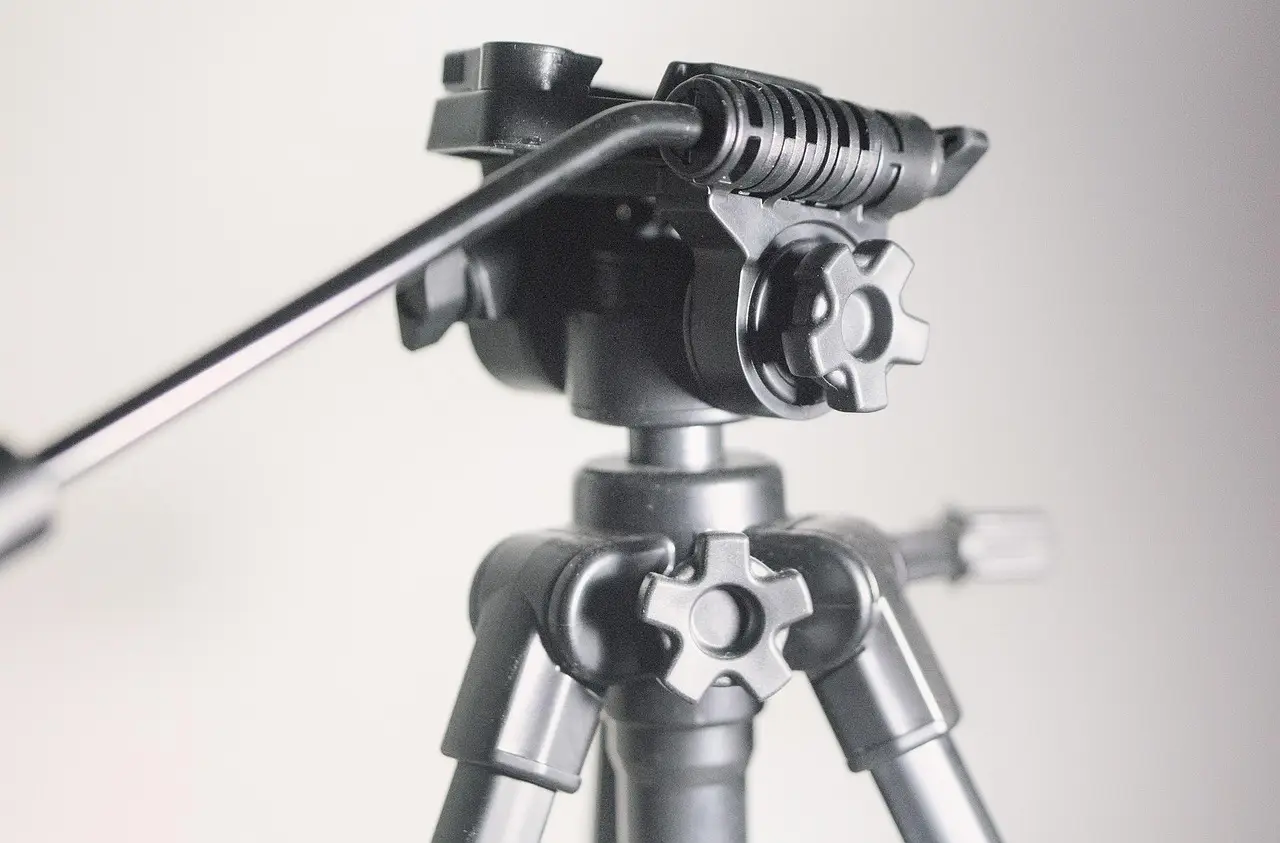
The head starts with a free-rotation ball for still-camera positioning. Lock controls on both sides release it for stepless pan and tilt (continuous movement without fixed detents), allowing video-like motion. The rotating base moves smoothly or advances in 10-degree clicks, a detail aimed at shooting overlapping panorama frames.
Heipi rates the counterbalance system for loads from 3.3 to 11 pounds, or 1.5 to 5 kilograms. Once the operator balances the camera-and-lens load, the head should hold the same angle without locking, a benefit aimed at heavier telephoto setups. Adjustable pan resistance supplies further control over movement speed.
These remain manufacturer specifications, not independent test results. Actual handling with a particular telephoto lens and shooting style would determine whether the mechanism earns its place beside conventional ball and fluid heads.
Mounting follows familiar professional conventions: the Arca-Swiss-compatible quick-release system (the dovetail-plate standard used by many tripod heads) incorporates built-in spring-loaded safety pins. The base has a standard 3/8-inch-16 UNC female thread (the Unified Coarse tripod-mounting thread). That compatibility should simplify changes between Heipi and suitable existing supports, without promising universal fit.
The KB50 weighs 1.23 pounds, or 560 grams. With its handle removed, it fits into a 3.74-inch, or 95-millimeter-wide, slot in a camera bag. That is smaller than a soda can and just under 20 ounces, a useful constraint for location crews and traveling photographers.
It remains a head, though, rather than a complete tripod. Backers can select it for $269 (£205 or AU$405), $80 below the expected $349 (£265 or AU$525) retail price. Heipi says the head will cost $349 when it launches at retail, but the announcement provides no firm availability date.
The lower campaign price compensates backers for accepting production and delivery risk; it is not a conventional in-stock sale. That risk is explicit.
Digital Camera World’s editorial note says there is “no guarantee that the final product will match the early depictions in the campaign — or that the final product will be completed or delivered at all.” The publication does not endorse the campaign. That warning belongs beside the headline figures, not in the fine print.
For working photographers, the KB50 becomes relevant after independent handling tests and confirmed deliveries. Until then, it is a well-specified promise, not a dependable $269 product.
via digitalcameraworld.com (Source)
More from Elena Vasquez
Show full bio
Staff writer covering money, funding and market shifts around professional photography industry at Photo Trade Wire.
137 articles