Sigma fp2 Ships at 376g, But the Real Cost Is in the Add-Ons
Sigma's fp2 claims smallest full-frame mirrorless at 376g, but omits EVF, IBIS and grip from the box. Accessory spend pushes totals to entry-mirrorless money.
Processing notes
- Sigma fp2 body-only weight: 376g, claimed world's smallest full-frame mirrorless
- LVF-21 electronic viewfinder sold separately; body ships without EVF, IBIS, handgrip
- Body plus accessories totals roughly the cost of a premium compact or entry-level mirrorless
- GoPro Mission 1 Pro is lighter at 197g but uses a 1-inch sensor
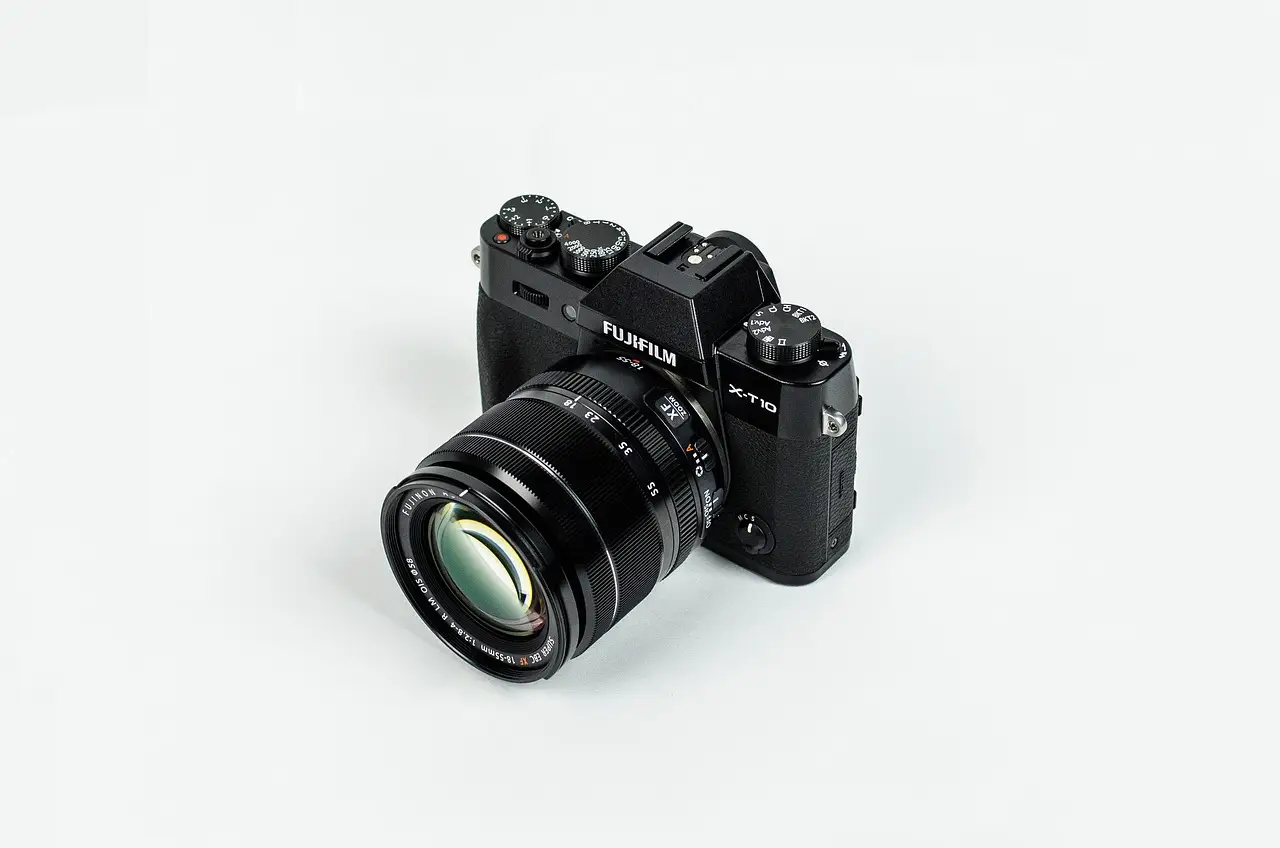
Sigma's fp2 body weighs 376g and carries the claim of world's smallest full-frame mirrorless camera. That headline number holds only until you price the accessories needed to make it a working tool, because the box omits an eye-level viewfinder, in-body stabilization, a handgrip and useful hot shoe units — all sold separately.
The rear LCD tilts through a limited range and doesn't swing out to the side. Sigma sells the directly compatible LVF-21 electronic viewfinder as an extra, attachable via the body. Reviewers note the combined rig looks awkward — one compared it to a crab missing a pincer — and anyone wanting a streamlined package is better served by a camera with an integrated EVF.
What does the missing hardware change for working photographers?
Two omissions bite hardest in daily use:
- No IBIS. Without in-body stabilization, the optional handgrip moves from nice-to-have to essential for handheld work.
- No EVF. Bright outdoor shooting on a limited-tilt LCD pushes most pros toward the paid LVF-21 anyway.
Stack those purchases — viewfinder, grip, hot shoe units — on top of the fp2 body, and the total lands close to what a standalone premium compact or an entry-level mirrorless camera costs outright. That's the revenue question: Sigma captures more per customer than the body-only sticker suggests, while the buyer absorbs the assembly risk.
Con or design philosophy?
The argument for the modular approach is entry cost. Users pick the extras they need rather than paying for everything at once. The counter-argument is equally plain: photographers and videographers should have a full feature set, EVF included, from the get-go.
Context matters here. The fp2 follows the Sigma BF, itself an unconventional solid-metal block, and the company treats cameras as specialist tools rather than volume products. As a privately held, family-owned business, Sigma can absorb risk on eccentric designs in a way listed rivals cannot. Buyers who dislike the brick-like form factor have conventional alternatives in Canon, Nikon and Sony — or GoPro's smaller-sensor route.
For context on size claims: GoPro's Mission 1 Pro ILS mirrorless weighs 197g without a lens, smaller still than the fp2, but it builds on a 1-inch sensor rather than full frame. That sensor distinction is what keeps Sigma's marketing claim technically defensible.
For photo businesses weighing the fp2, the decision is straightforward budget math. Price the body plus LVF-21, grip and any hot shoe units against a competing integrated mirrorless before committing, and weigh whether the 376g full-frame payload justifies a stitched-together accessory stack. Sigma is betting a meaningful slice of buyers will say yes — and pay twice.
via digitalcameraworld.com (Source)
More from Nathan Brooks
Show full bio
Correspondent covering regulation, policy and their impact on professional photography industry at Photo Trade Wire.
150 articles