FR-089Eƒ/5.6 · 1/60 · ISO 400Roll /gear-industry
Sigma FP2 at $2,200: A Modular Camera With No Direct Rival
Sigma's $2,200 FP2 is the smallest full-frame mirrorless on the market, shipping 6K Open Gate now while Nikon's ZR waits until 2027 — but there's no IBIS or Wi-Fi.
Processing notes
- Sigma FP2 launched at $2,200, matching the Nikon ZR's launch price
- 460g body is the smallest full-frame mirrorless currently on the market
- 6K Open Gate at 30p and desqueeze ship now; Nikon ZR gets them in 2027
- No IBIS, no Wi-Fi, no mechanical shutter; viewfinder, grip and hot shoe are all optional accessories
- 370-shot CIPA battery, 70GB internal storage, ProRes Raw to SSD via 10Gbps USB-C
Sigma launched the FP2 at $2,200 body-only, the same launch price as Nikon's ZR, while building a camera that DPReview's comparison concludes has "any direct competitors — or, at least, any to which it can be easily compared." The 460g body is the smallest full-frame mirrorless on the market, and its business proposition is unusual: nothing is built in that a user can add later.
The spec sheet tells the story. A 24.5MP partially stacked BSI CMOS sensor, no in-body stabilization, no built-in viewfinder, no Wi-Fi at all. In exchange: 20fps JPEG/Raw, ProRes Raw to SSD, 6K Open Gate up to 30p in 10-bit H.265, a full-sized HDMI port, 70GB of internal storage, and 370 shots per CIPA charge — up from the original fp's 280.
What does the modularity actually buy?
Everything attaches. The viewfinder is optional (5.76M dots, 0.88x magnification, tilting), the grip detaches, and even the hot shoe is an accessory — without which there is no flash at all. With it, X-sync is 1/50 sec. Headphones work through either USB-C port, since there is no dedicated jack. Two USB-C ports carry the load: one at 10Gbps handling SSD recording, power delivery, UVC/UAC, mic, headphones and remote; a second at 480Mbps adds the viewfinder connection.
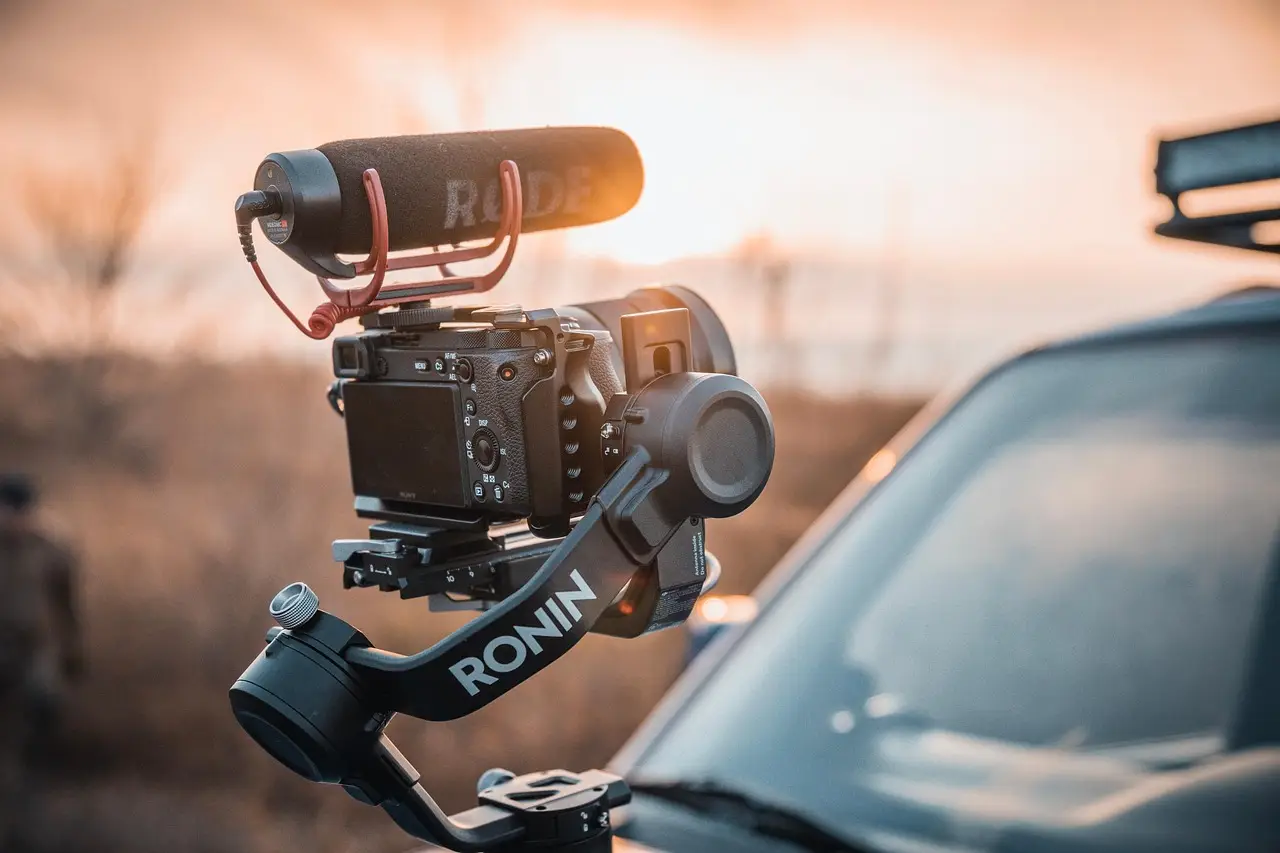
For gimbal work, that mass trimming matters. A videographer wanting the least mass and the least awkward center of gravity can set up an FP2 more easily than most cameras, while a stills shooter can bolt on grip and finder on the days they want them.
How it stacks against the numbers
Against the Panasonic Lumix DC-S9 ($1,500), the Sigma gives up sensor-shift stabilization, a 30fps Raw burst and Wi-Fi 5, but gains Raw video, 4-channel audio, 32-bit float recording — ironically via Panasonic accessories the S9 itself doesn't support — and a 120p 4K crop mode with 10-bit output. The newer sensor halves rolling shutter versus the S9, which matters in open-gate shooting.
The Nikon ZR is 40% larger and 170g heavier but stabilized, with built-in 32-bit float audio and 1/60 sec flash sync — a third of a stop faster than the Sigma despite sharing the same sensor. Nikon's open gate and desqueeze features are promised only in 2027; Sigma ships them now. Canon's EOS R6 V enters the conversation at 50% heavier and at least twice the size.
The FP2's ProRes Raw is less size-optimized than Nikon's R3D NE, but it is an industry-standard format, and its full-sized HDMI suits external recorder rigs in ways micro-HDMI rivals cannot match.
Is it a stills camera?
Partly. No mechanical shutter is available, and the modular system doesn't let you add one. The sparse selection of stabilized L-mount lenses, combined with no IBIS, rules it out as an everyday all-rounder — the bigger makers have addressed those needs effectively. But DPReview finds the improved autofocus, flip-out screen and larger battery make it a big step forward over the original fp, and significantly nicer to use for stills than the S9.
The economics cut both ways. If your needs dovetail with what a major manufacturer already builds, that camera will be cheaper. "It's in situations where your needs haven't been precisely anticipated by one of the big camera makers that the FP2 becomes an interesting option" — and as a small-scale manufacturer, Sigma is betting there are enough of those shooters to sustain a camera that fits between categories.
For working photographers, the practical question is whether that bet matches billable work: paired with small primes, the FP2 delivers the most image quality available in a camera this size, and DPReview expects photographers willing to work within its limits to gain those capabilities.
via go.skimresources.com (Original)
More from Grace Kim
Show full bio
News editor covering technology and product news in professional photography industry at Photo Trade Wire.
126 articles