FR-D283ƒ/5.6 · 1/500 · ISO 400Roll /gear-industry
Sigma FP2 Review: $2,199 Modular Hybrid Ships With Trade-offs
Sigma's $2,199 FP2 pairs a 24MP partially-stacked full-frame sensor with 20fps burst and 6K open-gate video, but modular add-ons push it near Panasonic S1 II money.
Processing notes
- Sigma FP2 priced at $2,199 with 24MP partially-stacked full-frame sensor
- Burst up to 20 fps with ~180 RAW-frame buffer; 370-shot CIPA battery
- 6K open-gate recording ran 90 minutes before overheating; 4K60 shut down at 33 minutes
- No IBIS, no built-in EVF or hot shoe; EVF and side hot shoe are mutually exclusive
- Fully equipped with attachments, price approaches Panasonic S1 II
The Sigma FP2 arrives at $2,199 body-only, shipping with a 24-megapixel full-frame partially-stacked sensor, 20 fps burst, and a 370-shot CIPA-rated battery — the first Sigma body our reviewer at PetaPixel genuinely enjoyed using, despite signature design quirks that still shape the buying math.
What does the $2,199 actually buy?
At the core, the FP2's sensor is the story. Like the Panasonic S1 II's, the partially-stacked design scans fast enough to largely eliminate the rolling-shutter problems that plagued the mechanical-shutter-less original FP. In practice that means:
- 20 frames per second maximum burst, with a buffer around 180 consecutive RAW frames
- Full-width 4K60 with far better rolling-shutter performance and excellent dynamic range
- 6K open-gate recording up to 30p
- Codec options from H.264 and H.265 through ProRes RAW HQ, the latter requiring an external SSD
Autofocus is the second pillar. The reviewer found the FP2 — which Sigma says improves on the BF's already strong tracking, with added bird and animal detection — locked eyes reliably and tracked inanimate objects well, calling the behavior "Sony-like." One caveat: in video, subjects walking toward or away from the camera at normal pace sometimes caused focus loss and jarring reacquisition. The Panasonic S1 II holds focus slightly better in that scenario.
What do the add-ons cost in function and money?
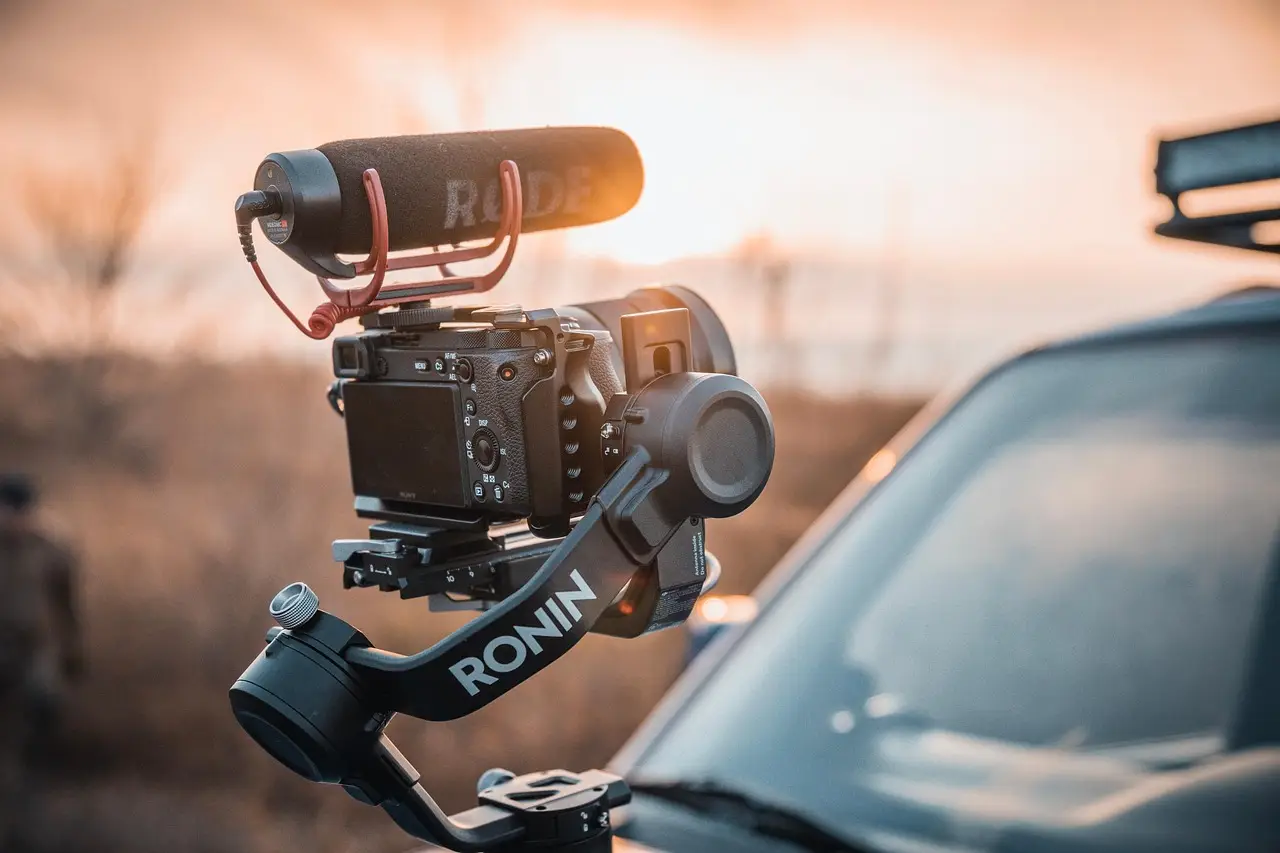
Sigma's modular philosophy drives both the appeal and the frustration. Multiple 1/4-20 threads across the 470-gram body (with battery and card) suit cages, gimbals, mic mounts and monitors. But the attachments create real trade-offs:
- No hot shoe and no built-in EVF. A screw-in side hot shoe and an optional 5.76-million-dot EVF are mutually exclusive.
- The EVF's reshaped profile, designed to avoid blocking the USB port, makes the camera bulky and awkward in most bags.
- Even attaching a strap requires easily lost screw-in lugs.
- Ports are scarce: a mic jack but no headphone jack. Using a USB-to-3.5mm adapter consumes one of two ports you may need for the EVF or an external SSD. A full-size HDMI port is a genuine improvement this generation.
How does it handle heat and power?
Thermals split the difference. There is no active cooling, but heatsink fins behind the vertically articulating 2.1-million-dot LCD allowed 90 minutes of continuous 6K open-gate recording. Drop to 4K at 60p, however, and the camera shut down after 33 minutes. Shooters who standardize on 60p should plan around that ceiling.
Storage is generous: 70GB of internal memory plus a UHS-II SD slot for backup and expansion. The new battery, seemingly identical to the Panasonic BLK22, lifts capacity from the predecessor's "paltry" rating to 370 shots.
There is no in-body image stabilization — a notable omission given the Panasonic S9, the camera the reviewer predicts the FP2 could rival in popularity, does include IBIS.
What does this change for working shooters?
The practical question is total cost of ownership. At $2,199 the FP2 already costs more than the Panasonic S9, and the reviewer judges the extra spend justified by stronger photo and video capability. But stack on the EVF and accessories, and the price approaches the Panasonic S1 II — which the reviewer calls "a far more elegant and capable package" than a fully kitted FP2, with slightly superior video and similar photo performance.
The verdict: buy it, if the quirks don't deter you. The sensor, autofocus, adjustable color profiles (teal-and-orange and sunset red among them, each tunable for contrast, highlights, shadows, haze and opacity), and genuinely deep control customization — AF-ON, custom AF controls, programmable dials — mark "a massive step in the right direction." The FP2 fits gimbal-based and modular video workflows best; photographers wanting a conventional, IBIS-equipped hybrid still have clearer options in Panasonic's lineup.
via PetaPixel (Source)
More from Grace Kim
Show full bio
News editor covering technology and product news in professional photography industry at Photo Trade Wire.
126 articles