FR-BCC2ƒ/5.6 · 1/500 · ISO 400Roll /gear-industry
Leica Prices M-A and M11-P Hammertone Editions at $8,000 and $11,000
Leica's hammertone M-A ($8,000) and M11-P (about $11,000) add a brass-and-texture finish to existing cameras, aimed at collectors rather than new capability.
Processing notes
- Leica prices the M-A Hammertone at $8,000 and the M11-P Hammertone at about $11,000
- The 1964 hammertone precedent was a run of just ten Leica MD cameras for the Leitz Reprovit system
- The M11-P Hammertone keeps the standard model's 60/36/18MP Triple Resolution sensor, 256GB memory and Content Credentials
- Both editions carry hammertone on solid brass top and baseplates
Leica Camera AG has priced its two new hammertone-finish rangefinders at $8,000 for the mechanical M-A and roughly $11,000 for the digital M11-P. Both models are finish changes on existing cameras, not new platforms, and Leica is aiming them squarely at collectors — a segment where the company says market value rarely drops after purchase.
What is the hammertone finish?
Hammertone is a textured coating produced when metal pigments and additives dry, creating subtle variations in surface tension. The result is a distinctive mottled texture that, in German industrial design, has become a shorthand for functionality and reliability. Leica says the finish on these editions required re-worked production processes and considerable craftsmanship to apply.
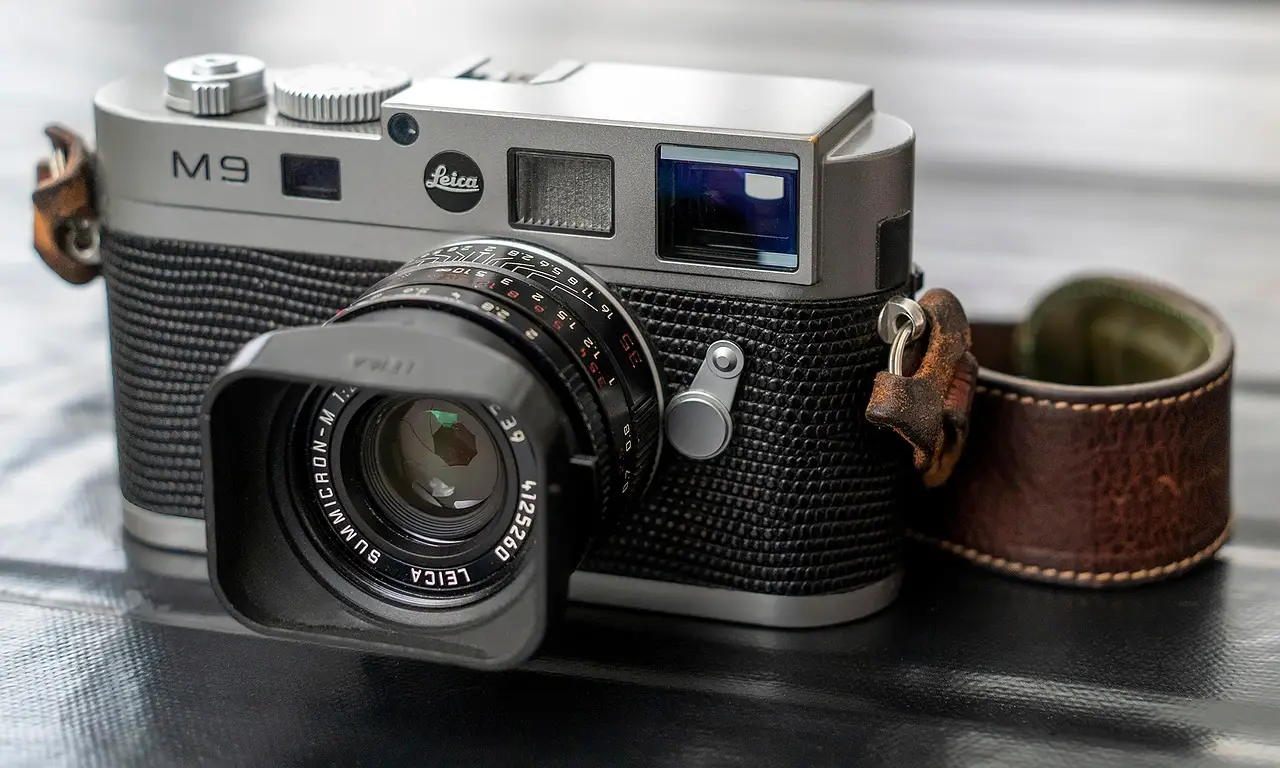
The precedent is genuinely rare. In 1964, Leica built only ten MD cameras for the Leitz Reprovit reproduction system in this finish, and hammertone remains among the most sought-after Leica treatments. Leica lists the design lineage of the new pair as the 1964 Leica MD Hammertone, the 2003 MP LHSA, the 2011 M9 Hammertone, and the 2016 M-A Vienna Edition.
What do the cameras actually offer?
Both bodies carry the hammertone finish on the top and baseplates, milled from solid brass. Control dials use classic cross knurling, the shutter-release plate is shiny silver, and the body wears black leatherette in a vulcanite style with white engravings. The M11-P adds newly rounded plate edges and a reworked front screw in silver chrome.
Underneath the paint, the specification matches the standard models. The M11-P Hammertone retains:
- Content Credentials, the provenance technology that verifies authorship, image attributes and editing steps
- 256GB of internal memory
- A scratch-resistant, anti-reflective sapphire-crystal screen
- A BSI CMOS full-frame sensor with Triple Resolution Technology, outputting 60, 36 or 18MP files
- A BP-SCL7 battery, here finished in matching hammertone
The M-A Hammertone is the analog counterpart: a fully mechanical camera with manual control of aperture, shutter speed and film ISO. It offers no electronics and no metering change relative to the standard M-A.
Who is the buyer?
The honest answer is that the price premium buys aesthetics, not capability. For a working photographer, the standard M11-P delivers identical files at a lower cost; the hammertone editions exist for buyers who treat cameras partly as objects. That has been a durable business for Leica, whose limited editions — the matt black paint that develops a patina, the safari and white variants, the anniversary models — consistently hold value in a way production cameras do not.
There is also a market-signal argument. Leica is close to alone among camera makers in shipping distinct cosmetic variants at scale, and the practice keeps collectors buying new bodies instead of only trading old ones. Whether that pressure pushes other manufacturers toward differentiated finishes, or remains a niche luxury play, will show in the resale prices these two editions command a year from launch.
via The Phoblographer (Source)
More from Amara Osei
Show full bio
Market editor covering companies, deals and strategy in professional photography industry at Photo Trade Wire.
131 articles