FR-8C02ƒ/4 · 1/250 · ISO 400Roll /ai-imaging
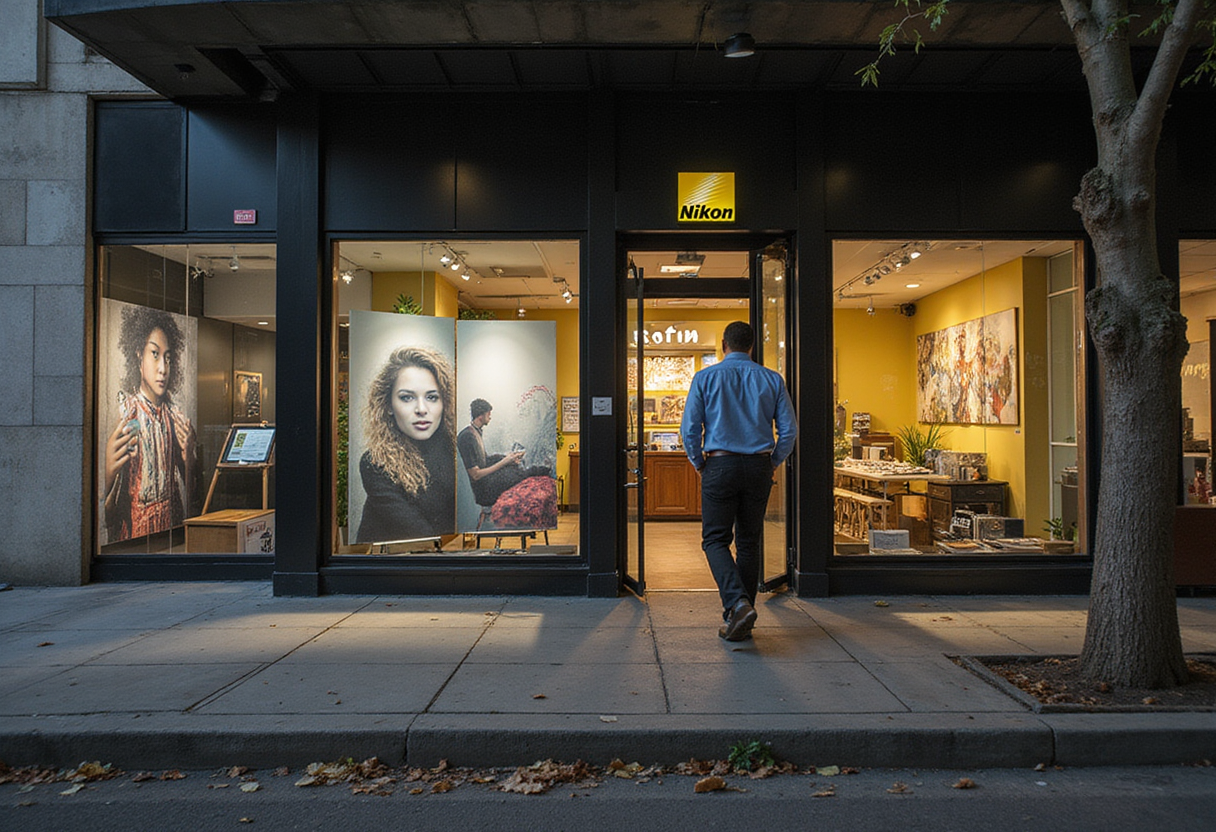
Nikon Rules Prize-Winning Image Was AI-Generated After Backlash
Nikon has confirmed a prize-winning image that drew backlash was AI-generated, reigniting debate over contest vetting and provenance verification for professional photography awards.

Processing notes
- Nikon ruled that a prize-winning image was AI-generated.
- The image had already sparked public backlash before the ruling.
- The case raises questions about contest vetting and award verification.
- Nikon's role signals camera makers' growing involvement in image-authenticity disputes.
Nikon has ruled that a prize-winning image which had sparked backlash was AI-generated, confirming that an artificial-intelligence-generated photograph won a competition award before the company's verification process flagged it.
The decision puts the camera manufacturer in the unusual position of acting as an adjudicator in an image-authenticity dispute — a role that hardware makers are increasingly pulled into as generative AI tools blur the line between captured and synthesized photography.
What does the ruling mean for contests and entrants?
Nikon's determination confirms the image did not originate from a camera capture in the conventional sense. The prize-winning picture had already drawn criticism and public backlash before the ruling; the company's verification now substantiates those objections.
For photographers who compete in sponsored contests, the case raises direct questions about:
- Entry vetting. How rigorously do organizers verify provenance before awarding prizes, and what tools do they actually use?
- Award recovery. What happens to prize money, gear and titles once an entry is disqualified after the fact?
- Entrant standing. How do legitimate entrants who lost to a synthetic image get remedied — a re-judging, a redistribution of awards, or nothing at all?
Contest sponsorships remain a meaningful revenue and marketing channel for working photographers: wins feed portfolios, client pitches and workshop credibility. A prize awarded to an AI-generated image distorts that economy, which is why the professional community reacted strongly even before Nikon's ruling landed.
Why is the camera maker the one deciding?
Camera manufacturers have a structural stake in image authenticity. Their business rests on photographers trusting that hardware, sensors and metadata describe what actually happened in front of the lens.
As generative models produce increasingly convincing synthetic imagery, hardware makers face pressure to offer provenance tools — embedded capture signatures, authentication schemes, metadata verification — that let organizers, agencies and clients distinguish camera-made files from machine-made ones. Nikon taking a public position on a contested winning entry signals that this verification role is moving from marketing promise to operational reality.
For agencies, contest juries and picture editors, the practical implication is blunt: screening for AI generation can no longer be an afterthought in submission rules. It has to be a verified step in the workflow, with named tools and stated consequences, before prizes, licenses or assignments change hands.
What's at stake for working photographers?
Photographers who invest in gear, travel and time to produce authentic work are directly affected when synthetic images compete for the same awards and visibility. Contest wins drive commission inquiries, stock licensing demand and teaching businesses; a synthetic image taking a slot in a shortlist or podium displaces real revenue opportunities.
The backlash that preceded Nikon's ruling reflects that economic tension, not just an aesthetic argument. If awards can be won with generated imagery, the value proposition of entering — and sponsoring — competitions weakens for professionals.
Organizers will likely face calls to publish clear AI policies, require original RAW files or provenance data at entry, and disclose disqualification outcomes publicly. Nikon's verification in this case demonstrates that detection is technically possible when a manufacturer with access to capture data is willing to investigate.
The case now moves to the industry's response: whether contest organizers adopt mandatory provenance checks before judging, rather than adjudicating synthetic winners only after photographers and the public demand answers.
via Google News: Generative AI & photography (Source)
More from Amara Osei
Show full bio
Market editor covering consumer brands and retail at Photo Trade Wire.
68 articles