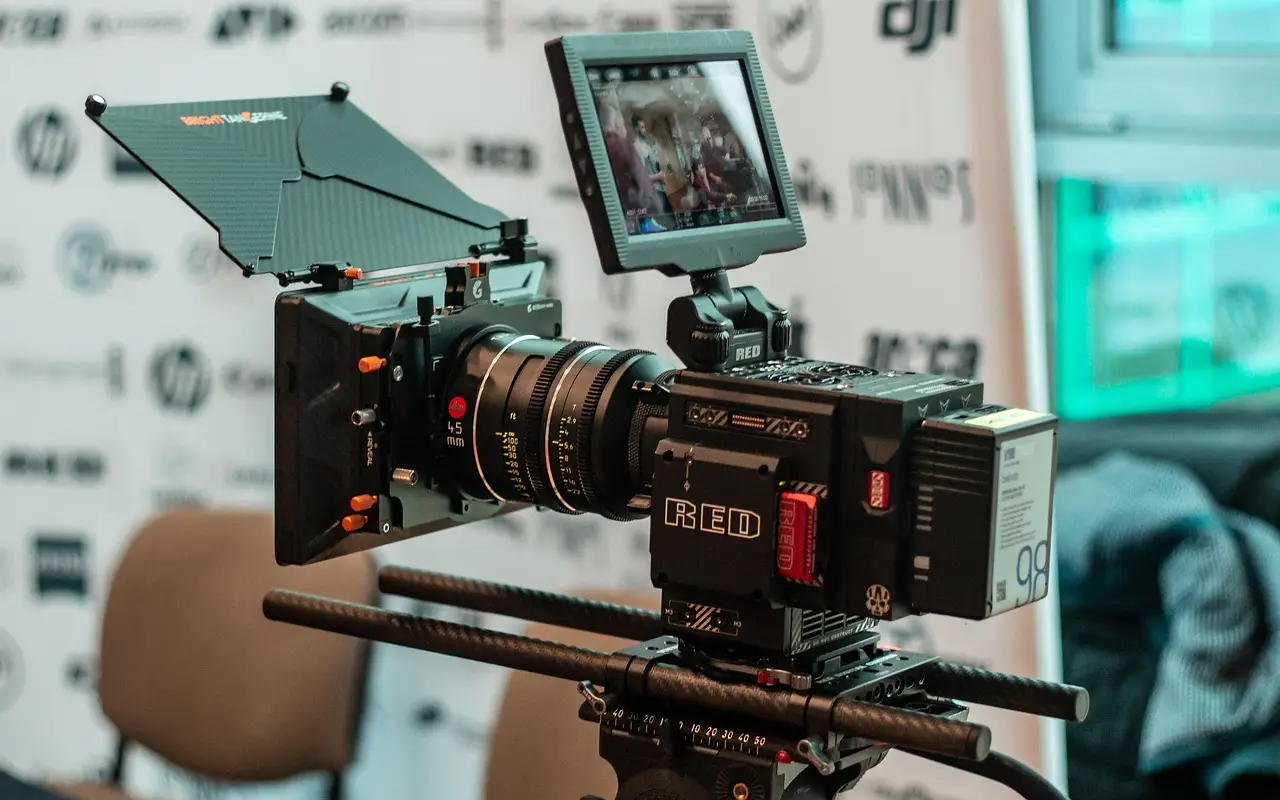
Nikon ZR Firmware 2.00 at Inter BEE Signals Post-Sale Support as Strategy
Nikon shows firmware 2.00 for the ZR at Inter BEE 2026, November 18–20, and confirms open-gate and anamorphic de-squeeze are in development as AI-coded firmware raises the stakes.

Processing notes
- Nikon ZR firmware 2.00 is on display at Inter BEE 2026, November 18–20
- Nikon is developing open-gate recording and anamorphic de-squeeze display for the ZR, with no ship dates announced
- Nikon Z6 and Z7 (2018) had autofocus overhauled via post-launch firmware; Z9 gained promised 8K 60p RAW after release
- AI-driven 'vibe coding' is enabling unofficial firmware updates, mostly on older cameras, pressuring official channels
Nikon is showcasing firmware 2.00 for the Nikon ZR at Inter BEE 2026, running November 18–20, and using the show to argue that substantial post-release updates are now core to how it sells cameras. Japanese outlet ASCII reported on comments from Nikon representatives at the show, pointing to the company's outsized commitment — relative to other manufacturers — to enhancing cameras through firmware, and citing rising hardware prices as a driver of that strategy.
The ZR update is extensive, but the pattern isn't new. The original Nikon Z6 and Z7 launched in 2018 with widely criticized autofocus, and successive firmware updates overhauled their performance well after release. The Z9 shipped without 8K 60p RAW, which Nikon had promised for later delivery and then delivered. In other words, Nikon has a documented track record of treating flagship bodies as platforms rather than fixed products.
What does firmware 2.00 change for ZR shooters?
Beyond the 2.00 release itself, Nikon says it is developing two further upgrades: open-gate recording and a de-squeeze display for anamorphic lenses. For working video shooters, both are substantive. Open-gate unlocks full sensor-height capture for reframing and delivery across aspect ratios; anamorphic de-squeeze display means monitoring framed footage correctly on-camera instead of guessing at squeezed previews. Neither has a ship date yet — Nikon has only confirmed development, and buyers should treat them as roadmap items, not delivered features.
The 'vibe coding' pressure
The sharper question is whether competitors will follow. The source points to "vibe coding" — using AI to generate code from plain-language prompts, without specialist programming skills — as an accelerating trend in photography. It has already produced a wave of unofficial, AI-generated firmware updates, mostly targeting older cameras. That caution makes sense: loading unofficial firmware on a current mirrorless body risks bricking it or voiding the warranty, and few working photographers will gamble a professional tool that way.
But the direction of travel is clear. If AI lowers the barrier to writing camera software, third-party firmware becomes more capable and more common, and manufacturers lose their monopoly on improving their own hardware. One plausible response, laid out in the source: camera makers stay ahead by shipping plentiful, meaningful updates through official channels — exactly the playbook Nikon is running with the ZR.
The business read
Firmware support is becoming a purchase criterion. Nikon's argument, per the ASCII report, is that as camera hardware gets more expensive, buyers expect bodies to gain capability after purchase rather than depreciate into obsolescence. Nikon's history — Z6/Z7 autofocus rebuilds, the Z9's post-launch 8K 60p RAW — backs that up with shipped results, not just marketing language. The open-gate and anamorphic de-squeeze features remain promises until they land on cards.
Whether Canon, Sony and others match that cadence is the open question; the vibe-coding trend gives them a commercial reason to try, and Inter BEE 2026 may mark the moment post-sale support stopped being a differentiator and became table stakes.
via digitalcameraworld.com (Source)
More from Nathan Brooks
Show full bio
Correspondent covering regulation, policy and their impact on professional photography industry at Photo Trade Wire.
150 articles