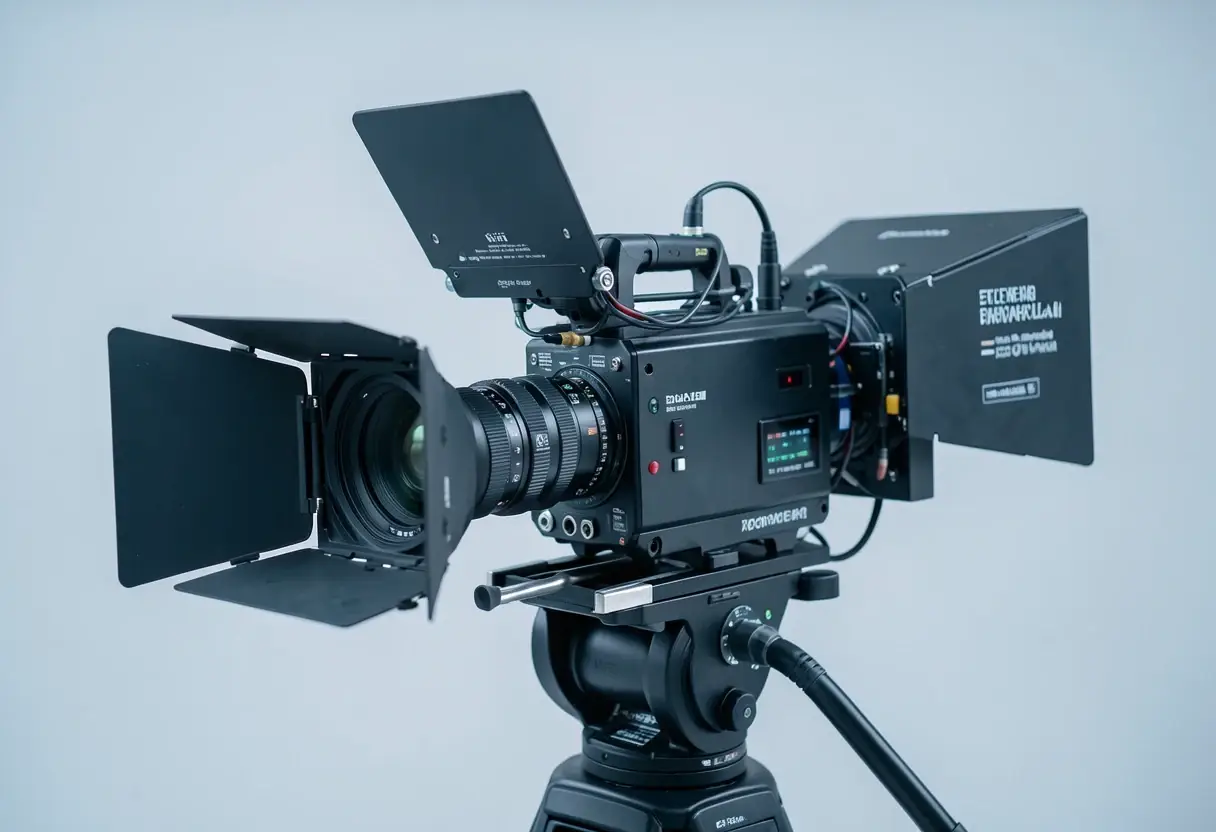
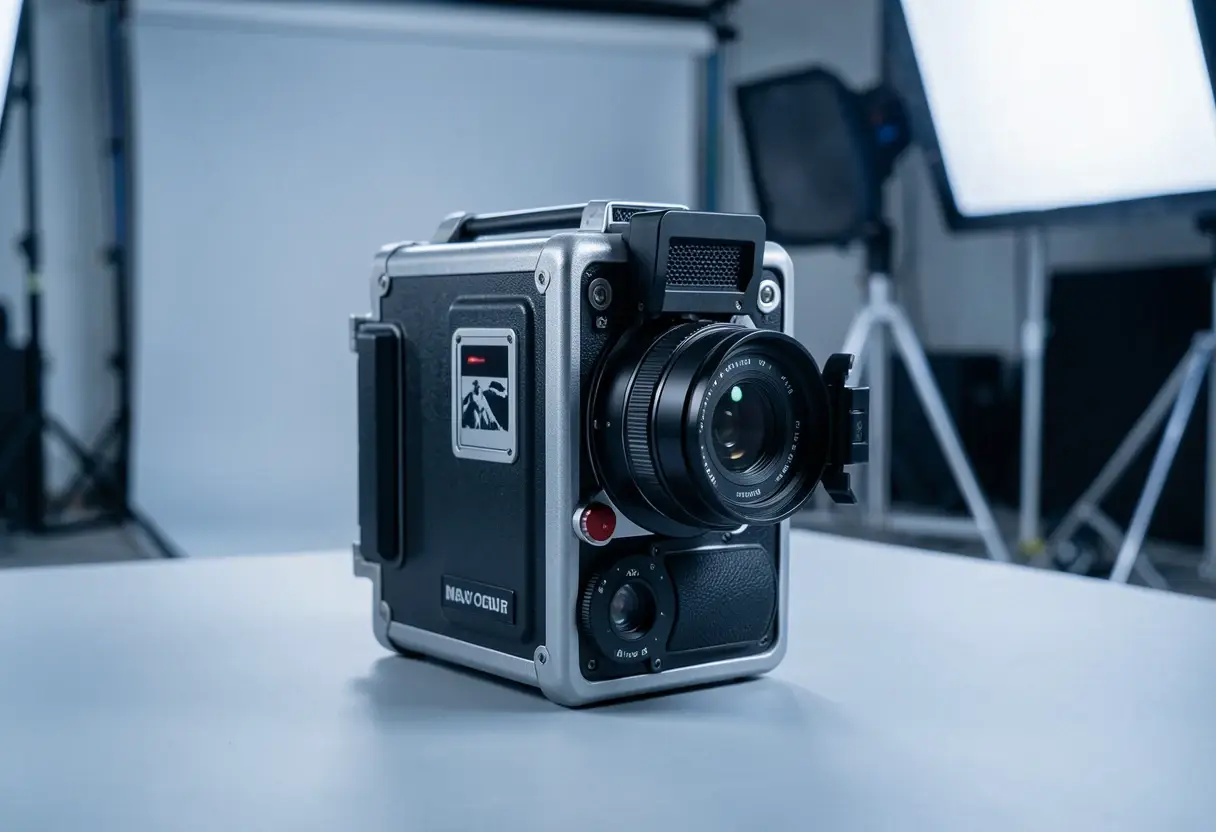
Panasonic's SHX1 Misses the FX3 Fight Lumix Was Built to Win
Five years after Sony's FX3 defined the sub-$4,000 filmmaker camera, Panasonic's SHX1 serves its base instead of attacking the FX tier — despite better stabilization and record modes.

Processing notes
- Sony launched the FX3 in 2021 at a sub-$4,000 price and it remains the commercial and event work standard.
- The Lumix SHX1 is effectively an S1 II in a box camera body, announced during Lumix's 25th-anniversary year.
- Lumix shipped open gate and in-camera anamorphic desqueeze years before competing brands.
- Panasonic combined Lumix and VariCam into a single camera division, smaller than Sony's.
- Sony's troubled FX5 launch left an opening Panasonic did not answer.
Sony launched the FX3 in 2021 at a sub-$4,000 price and reset the mid- to high-end filmmaker market. Five years later, Panasonic still hasn't fielded a direct answer — and with the SHX1 box camera, announced amid Lumix's 25th-anniversary year, it chose not to try again.
The SHX1 is essentially an S1 II in a box camera body, as described from Panasonic's recent Osaka launch event. That's the core of the disappointment for working filmmakers who expected the anniversary year — opened in May with the L10 — to build toward a serious flagship. Panasonic itself stoked that expectation, telling press it had more planned for 2026 and asking them to be excited.
What does this change for Lumix shooters?
For current Lumix filmmakers, arguably nothing. The SHX1 is a strong camera that will resonate with the installed base. The problem is who it doesn't reach: commercial and event producers buying into the Sony FX ecosystem, where the FX3 remains the de facto rental and job-site standard.
Jordan Drake, speaking on The PetaPixel Podcast, put the market reality bluntly: "It became just the industry standard for if you're doing event work or commercial work. Because it is such a recognizable camera – like that gray, with that pronounced, sharp-edged grip – when producers and directors and people see it, they immediately know that's acceptable."
He continued: "An S1 II is every bit as capable but it looks like an old DSLR. And I think everybody wants to move away from that." In his framing, "the FX3 is just the visual language of a semi-professional small camera now."
Canon and Nikon internalized that lesson. Their ZR and R6V bodies adopted the same boxy, grip-forward design language that signals "video camera" to clients. Panasonic has not, and the omission carries a commercial cost: creators buy cameras they want to be seen with, not only cameras that can do the job.
The capability gap isn't the issue
By specification, Lumix arguably leads. Its in-body stabilization is better than Sony's. Its record modes are, on the whole, better. The company shipped open gate recording and in-camera anamorphic desqueeze years before competitors — features working cinematographers now treat as baseline requirements in this tier.
One structural explanation: Panasonic's camera division is small relative to Sony's, now a single unit combining Lumix and the former VariCam line. A thinner design department would explain why Lumix bodies have never pushed industrial design as a selling point. Performance alone, the argument goes, was supposed to carry the brand. It hasn't.
The timing is what stings
Sony stumbled through its FX5 launch, opening a window for a competitor to claim the box-camera tier. Panasonic didn't climb through it. Analysts reading the anniversary rollout expected the fall announcements to cap the year with a true FX3/FX5 rival — a body with FX styling and Lumix guts. Instead, the company served its existing audience and left the commercial mainstream to Sony.
Whether the reluctance reflects fear of losing to Sony or discomfort with the pressure of market leadership, the practical result is the same. Panasonic may not register the size of the fumble for months or years, but with the moment up for grabs, Lumix declined to reach for it — and the FX tier stays unchallenged into another product cycle.
via depositphotos.com (Original)
More from Nathan Brooks
Show full bio
Correspondent covering regulation, policy and their impact on professional photography industry at Photo Trade Wire.
150 articles