FR-D39Cƒ/2.8 · 1/125 · ISO 400Roll /ai-imaging
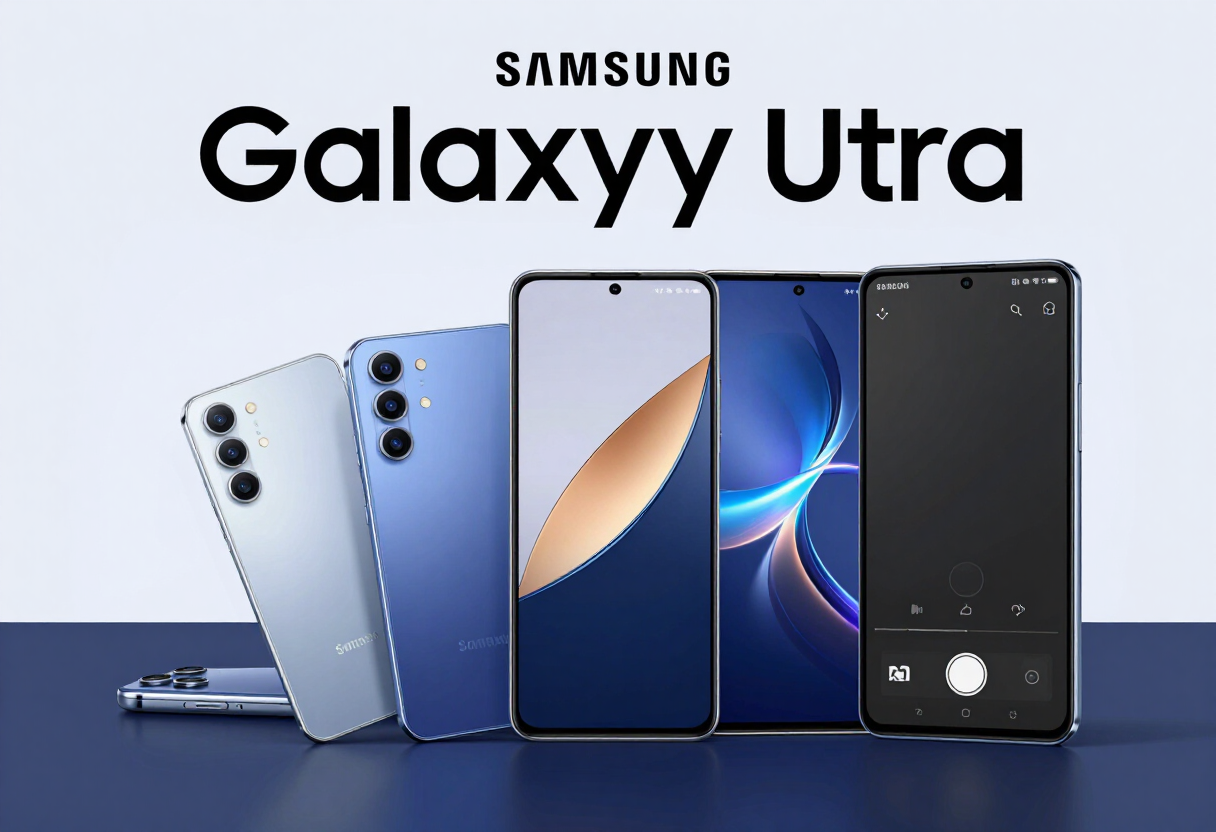
Samsung Bakes AI Photo Editing Into Galaxy S26 Ultra
A headline-level report says the Galaxy S26 Ultra gains AI photo editing tools. Specs, fees and RAW workflow details remain unconfirmed — here's what it means for working photographers.
Processing notes
- The Tech Buzz reports the Samsung Galaxy S26 Ultra adds AI photo editing features
- No confirmed feature list, pricing or availability dates appear in the coverage
- Phone-native generative editing continues to reset client expectations for retouching work
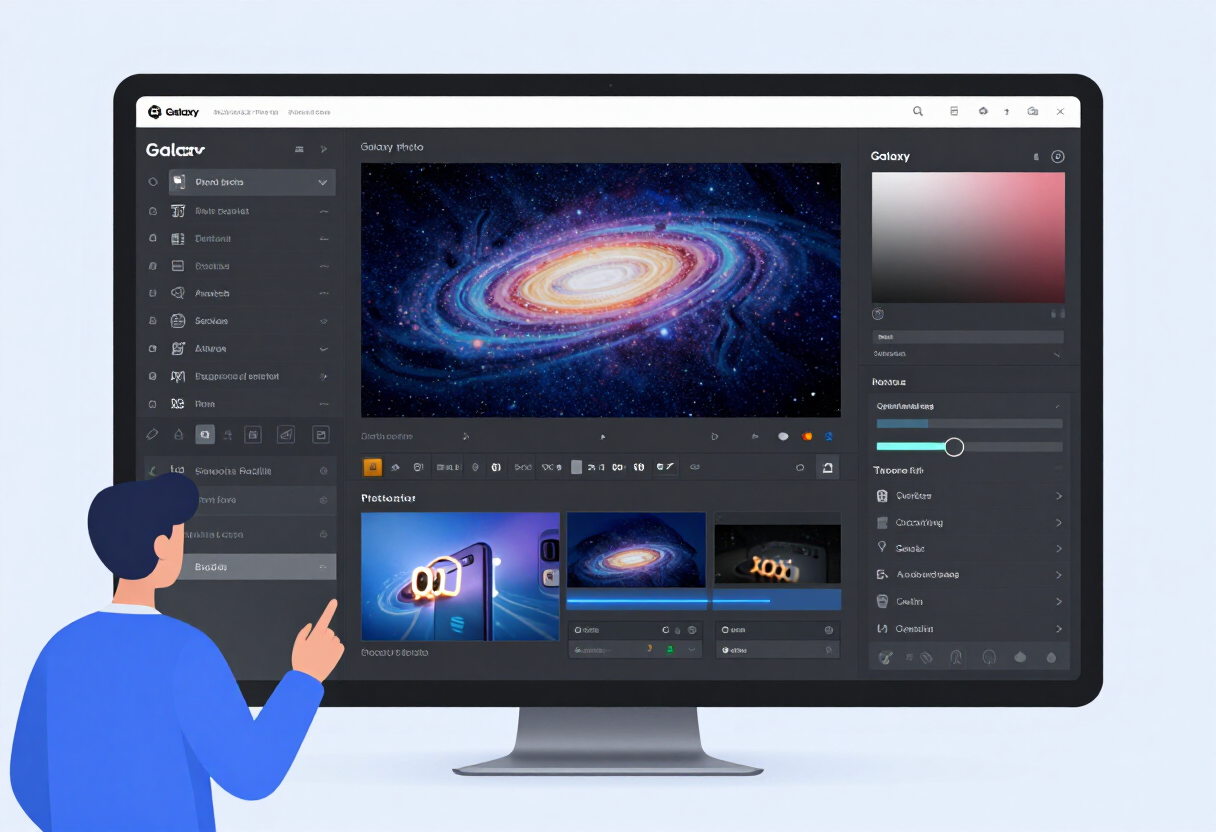
Samsung is bringing a new set of AI photo editing features to the Galaxy S26 Ultra, extending the generative-editing push the company began with earlier Galaxy flagship models. For working photographers, the significance is less about any single tool than about the trajectory: sophisticated retouching that once required a desktop license of Photoshop is now shipping as a default capability on a mass-market phone.
The Tech Buzz reports the addition under the headline "Samsung Galaxy S26 Ultra Adds AI Photo Editing Features." The report itself is thin on specification detail — no confirmed list of individual tools, pricing tiers for cloud-dependent functions, or shipment dates appears in the coverage. Treat the specifics, including the exact feature set and any per-edit fees, as unconfirmed until Samsung publishes official material.
What the headline does confirm is strategic direction. Samsung has spent two flagship cycles building out its Galaxy AI suite, and photo editing has become its most visible consumer-facing application. Object removal, generative fill-style expansion, and automated sky or reflection adjustments have all appeared in some form on recent Galaxy hardware, largely processing on-device through Qualcomm silicon. An S26 Ultra iteration would logically build on that foundation, but the degree of improvement — and whether heavier generative operations shift to cloud processing with usage limits — remains an open question that directly affects workflow reliability.
The business context matters for photo professionals on three fronts.
First, client expectations keep resetting. When a significant share of the buying public carries generative object removal in a pocket, the perceived value of clean compositing and careful retouching erodes at the commodity end. Portrait, product and real-estate photographers in particular compete against outputs that clients can now approximate themselves in seconds. The defensible ground moves toward lighting craft, consistency across a shoot, and volume delivery — not single-image cleanup.
Second, disclosure obligations tighten as AI editing spreads. Newsrooms, stock agencies and advertising clients increasingly require declarations of generative manipulation. Phone-native tools that blur the line between a crop and a generative fill complicate those declarations. Photographers delivering commercial work should assume metadata provenance questions will follow images edited on any device with AI features enabled by default, and should verify whether Samsung's implementation writes editing histories that survive export.
Third, the secondary market is affected. Event and editorial shooters already use flagship phones for transmission, captioning and backup. If S26 Ultra editing tools prove fast and non-destructive, they could legitimately handle triage edits in the field — culling, straightening, dust and distraction removal — before images reach the desktop. That is a real workflow gain, but it depends on measurable performance, color management and RAW pipeline support that no coverage has yet established.
There is also a competitive read. Google's Pixel line has leaned hard on AI editing as its differentiator, and Apple has been rolling out its own clean-up and generative features across recent iOS releases. Samsung adding another round of editing AI to the S26 Ultra signals that phone makers view computational and generative imaging as the primary battleground for the next upgrade cycle — hardware-camera gains alone no longer carry a flagship launch.
For now, the appropriate posture is analytical patience. A headline-level report is not a shipping specification. Watch for Samsung's official announcement, where the testable questions will be: which tools run on-device versus in the cloud, whether any carry subscription or per-use fees, how the features interact with RAW files and Expert RAW, and whether editing provenance is recorded in a way agencies and clients can audit. Those details will determine whether the S26 Ultra is a genuine field-editing tool for professionals or another consumer amenity with marginal business relevance.
Expect Samsung to position the S26 Ultra and its AI editing suite as a headline feature of its next flagship launch cycle, with fuller specifications — and the fee structure, if any — arriving alongside the formal announcement.
via Google News: Generative AI & photography (Source)
More from Nathan Brooks
Show full bio
Correspondent covering marketplaces and e-commerce at Photo Trade Wire.
25 articles