FR-6545ƒ/4 · 1/500 · ISO 400Roll /ai-imaging
Scientists Warn AI-Enhanced Bird Photos May Corrupt Wildlife Research
Scientists warn that AI-enhanced bird photos from wildlife photographers could undermine research relying on photographic records, pressuring disclosure practices.
Processing notes
- Scientists warn AI-enhanced wildlife photos could threaten research that uses photographic records.
- AI editing tools can alter bird images in ways that are hard to detect at publication scale.
- Concern focuses on images entering scientific databases and research pipelines unmarked.
- Disclosure of AI edits is the core recommendation for photographers supplying research-grade imagery.
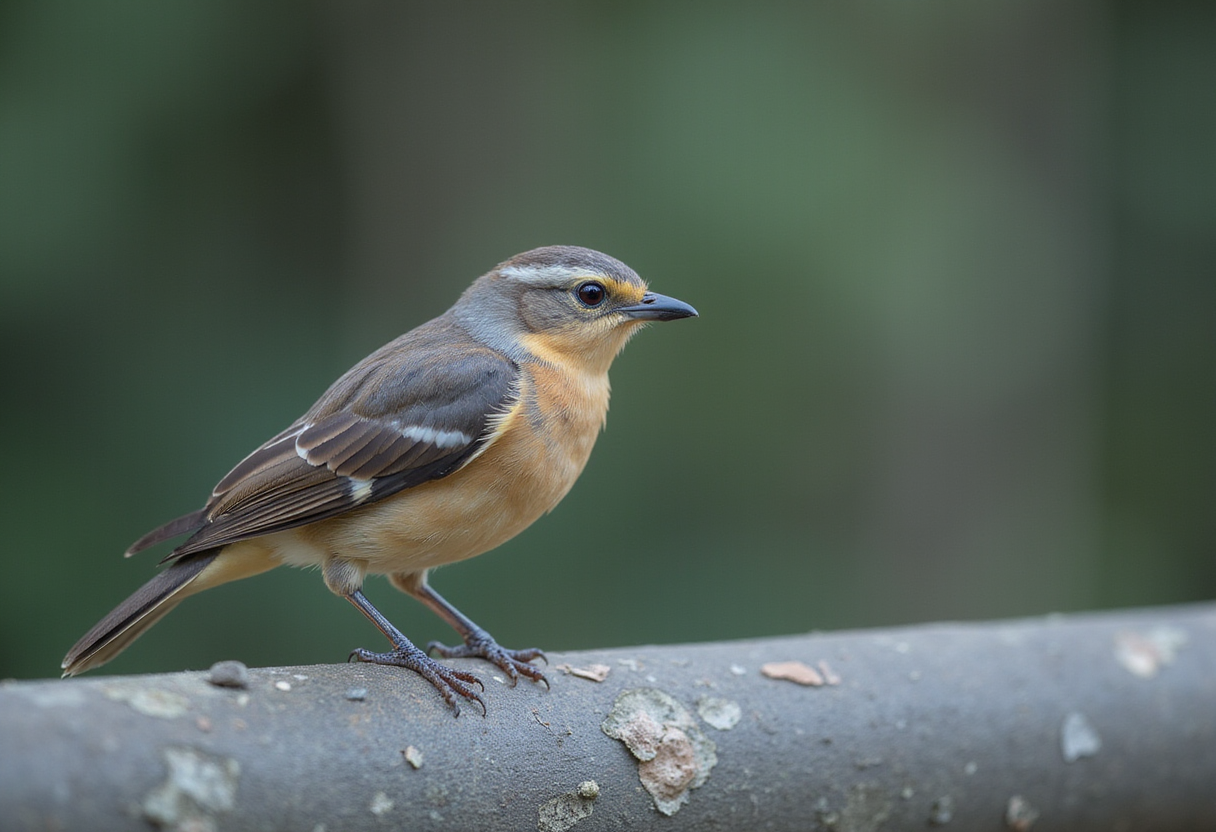
Researchers are warning that wildlife photographers' AI-enhanced bird images could threaten the integrity of scientific research that relies on photographic records.
The warning targets a practice that sits in a gray zone for many working wildlife shooters: using generative AI and computational editing tools to improve, extend or alter images of birds before publication or upload to databases.
Why does this matter to working photographers?
Scientific workflows increasingly draw on photographs from public platforms, archives and contributor databases. If AI-enhanced images enter those pipelines unmarked, researchers who use photos to document species distribution, plumage variation, behavior or rarity can end up analyzing features that never existed in the field.
The concern is not hypothetical. AI tools now allow edits — added plumage detail, altered backgrounds, sharpened or fabricated features — that are difficult to detect and easy to publish at scale. For photographers who license work to publishers, agencies and research institutions, that raises a concrete reputational question: an image enhanced beyond documented reality may be unusable, or worse, misleading, in contexts where accuracy carries scientific weight.
What does this change for editorial and licensing practice?
The warning puts pressure on disclosure norms. Photographers and platforms that supply imagery to researchers may face sharper requirements to declare whether an image is a straight capture or has been computationally altered.
For photo businesses, the practical stakes include:
- Licensing risk: AI-enhanced wildlife images may be rejected or delisted by buyers who supply scientific and educational markets.
- Platform policy: stock and community platforms may tighten labeling rules around AI-edited nature content.
- Client trust: documentary and conservation clients may demand unprocessed originals or capture metadata as proof.
The scientists' core argument is that photographic evidence loses scientific value the moment generative tools modify it — and that the burden of keeping research-grade imagery clean falls on the photographers and distributors who supply it.
How should pros respond?
Until formal labeling standards harden, the defensible position for working wildlife photographers is disclosure: separate straight captures from creatively edited work, preserve originals and metadata, and flag any generative enhancement when submitting to databases, competitions or research-oriented clients.
As AI editing tools spread through mainstream workflow software, expect scrutiny of wildlife imagery — and the norms governing what counts as a photographic record — to intensify.
via Google News: Generative AI & photography (Source)
More from Amara Osei
Show full bio
Market editor covering consumer brands and retail at Photo Trade Wire.
69 articles