FR-C7DBƒ/8 · 1/60 · ISO 400Roll /gear-industry
Seagate FireCuda Forge Ships at $699, But You Supply the SSD
Seagate's FireCuda Forge pairs a user-replaceable 8TB or 20TB hard drive with your own NVMe SSD, using machine-learning Alkemi software to move hot files between drives. It ships now at $699 and $899.
Processing notes
- FireCuda Forge ships now at $699 (8TB) or $899 (20TB), SSD not included
- Alkemi machine-learning platform dynamically moves frequently used data to the SSD
- Rated read speeds up to 2,500MB/s and write speeds up to 2,000MB/s
- Requires Windows 11 or macOS 26 or newer
- Hard drives are user-replaceable
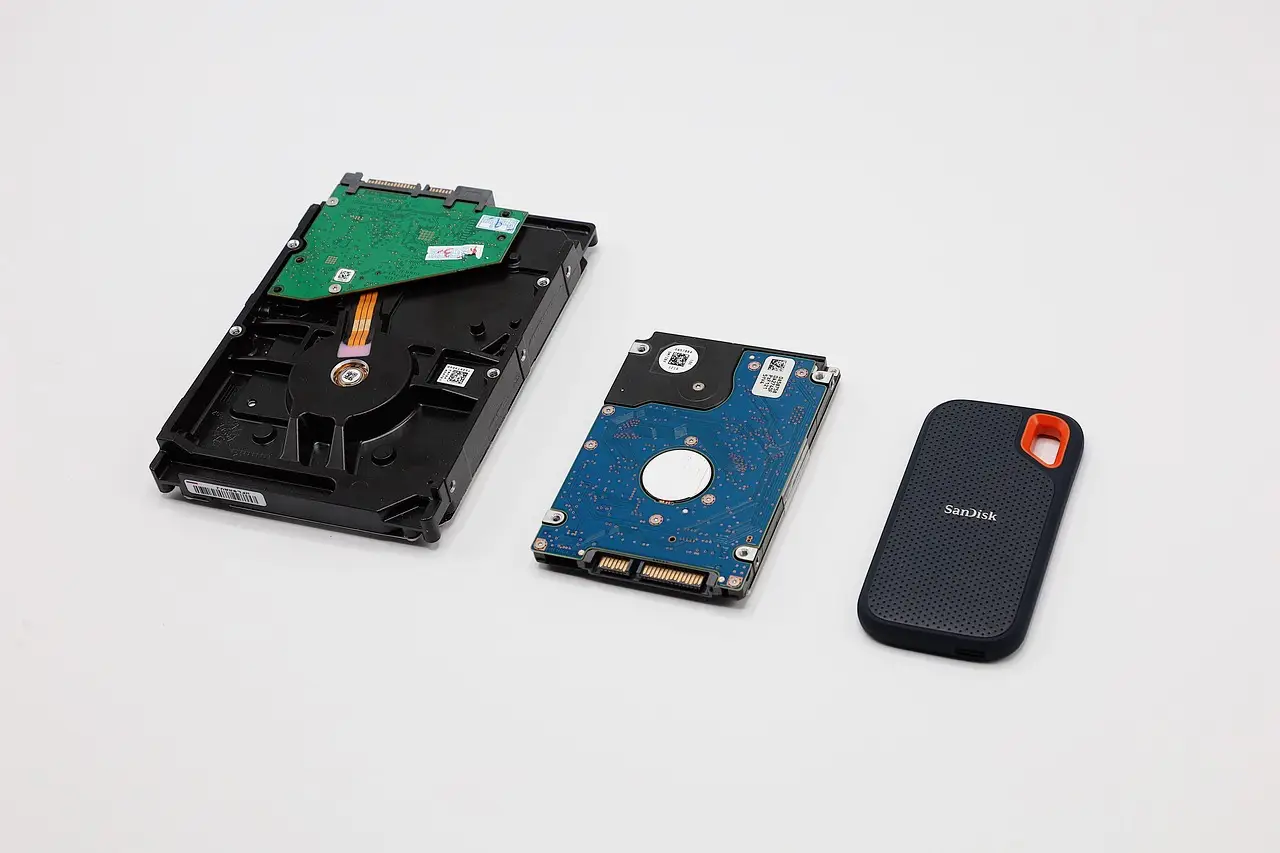
Seagate is now shipping the FireCuda Forge, an external storage enclosure that pairs an 8TB or 20TB hard drive with a user-supplied NVMe SSD, priced at $699 and $899 respectively through the company's online store. The catch for working photographers: the SSD is not included, and with NAND memory prices currently elevated, the true cost of a complete setup runs meaningfully higher than the sticker.
The Forge is the first product built on Seagate's new Alkemi intelligent storage platform. Alkemi applies machine learning to usage patterns, relocating the files you are actively using — or use most often — onto the faster SSD, while cold data sits on the spinning disk. As workloads change, data moves dynamically between the two drives, yet the system always presents itself to the computer as a single volume.
Performance figures are specified, not guessed. Seagate rates the Forge at read speeds up to 2,500MB/s and write speeds topping out at 2,000MB/s, on systems running at least Windows 11 or macOS 26. Older operating systems are effectively out of the conversation.
What does this change for photo workflows?
For photographers managing multi-terabyte Lightroom catalogs, RAW archives and video projects, the pitch is straightforward: SSD-tier responsiveness for active libraries without paying SSD prices for 20TB of archival storage. At $899 for the 20TB chassis-plus-HDD, the effective cost per terabyte undercuts most dedicated external SSDs — provided the caching logic actually learns a working photographer's access patterns, something marketing claims will need independent testing to confirm.
The hard drives themselves are user-replaceable, which extends the product's lifespan and gives buyers a hedge against drive failure and future capacity upgrades. The SSD bay works the same way: users choose whichever NVMe drive fits their budget and tolerance for the current memory-price squeeze.
How is this different from a NAS?
Seagate is drawing a line between the Forge and hybrid approaches photographers already know. The company has sold hybrid drives with built-in flash for decades, and many NAS enclosures let you install an SSD as a read/write cache for frequently accessed data. Seagate says Alkemi works differently: rather than temporarily caching hot data, the platform's machine learning decides placement based on the current workload and which data it requires, reorganizing across both drives as tasks shift.
Whether that distinction matters in day-to-day editing — or whether a well-configured NAS with SSD caching delivers similar results — remains the practical question for buyers weighing a $699-plus-SSD investment.
The Forge is available now, and its reception will likely hinge on two measurable outcomes: how quickly Alkemi adapts to real editing workloads, and whether total cost including a self-purchased SSD stays competitive as flash prices fluctuate.
via theverge.com (Source)
More from Grace Kim
Show full bio
News editor covering technology and product news in professional photography industry at Photo Trade Wire.
138 articles