FR-CED3ƒ/2.8 · 1/250 · ISO 400Roll /gear-industry
Glyph Ships USB4 CFexpress Reader at $150, Dual SD at $120
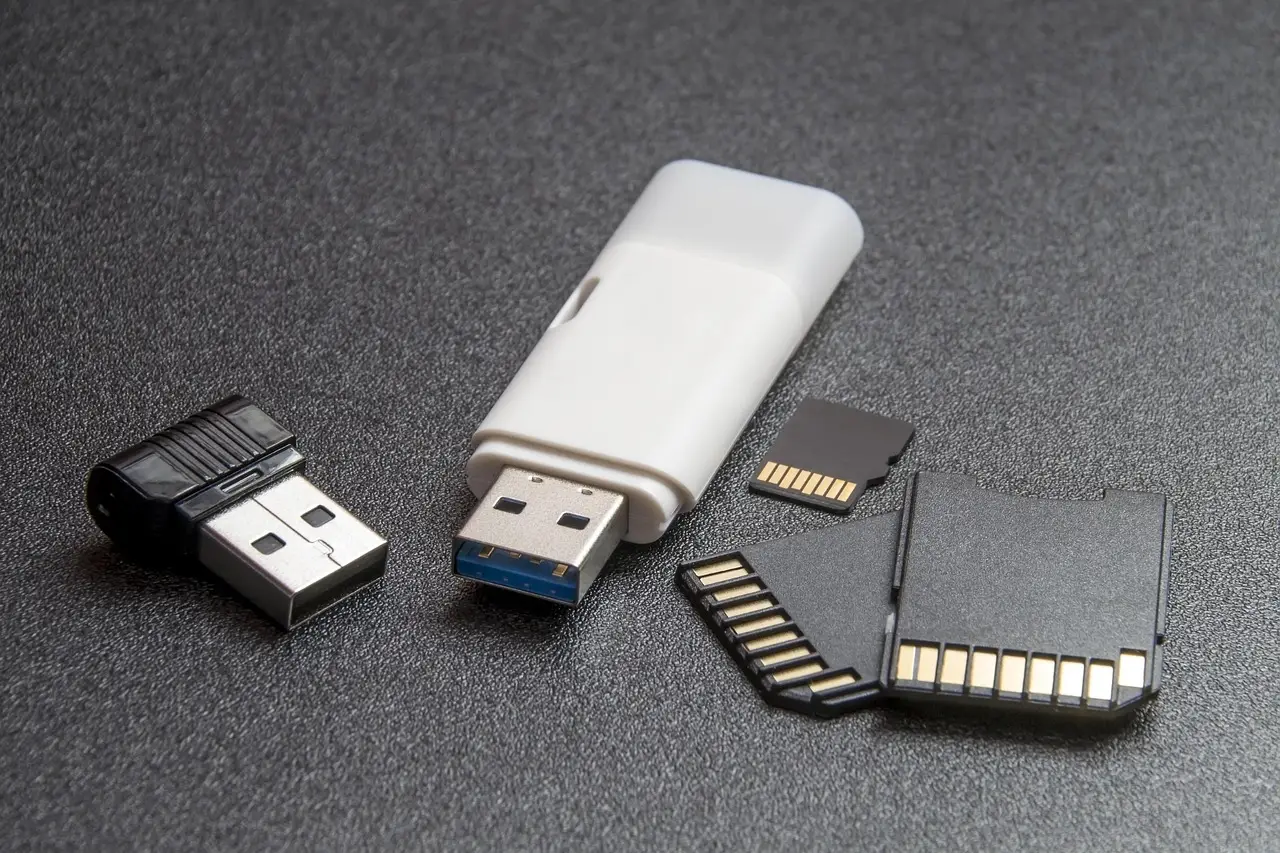
Glyph's first card readers ship in November: a $150 USB4 CFexpress Type A model claiming 5,000 MB/s and a $120 Dual SD unit, both aimed at Sony-centric pro workflows.
Processing notes
- Glyph Capture+ CFexpress Type A USB4 reader costs $150, ships November (possibly December)
- Capture+ Dual SD reader costs $120 with two slots, USB 3.2 Gen 2 at up to 1,000 MB/s
- USB4 reader claims transfer speeds up to 5,000 MB/s, up to 3x faster ingest than traditional readers
- Glyph makes no SD or CFexpress Type A cards itself; the readers target Sony photographers and filmmakers
- Both readers use SteadyIO fan-less thermal sinking in aluminum shells, bus-powered on Mac and Windows
Glyph has priced its first card readers at $150 for the Capture+ CFexpress Type A USB4 model and $120 for the Capture+ Dual SD, with both units shipping in November and possibly slipping into December depending on demand. The company will sell them directly and through authorized resellers. For working photographers, that's a new entrant in an offload niche long dominated by a handful of accessory brands.
The announcement extends a deliberate push into creator storage. Earlier this year Glyph launched new SSDs and a line of CFexpress memory cards; readers are the logical connective tissue. The company says the new devices meet "the rigorous demands of modern film, photography, and audio workflows" — marketing language, but the underlying specs deserve a closer look.
What does the Type A reader actually deliver?
The flagship is built around USB4 Type-C at 40Gbps, with claimed transfer speeds up to 5,000 MB/s. Glyph characterizes this as next-generation offload efficiency, allowing data ingest up to 3x faster than traditional readers. Take the multiplier with the usual caution: real-world offload depends on the card, the cable and the host machine as much as the reader.
There's an obvious strategic wrinkle here. Glyph doesn't currently make SD cards or CFexpress Type A cards. Sony photographers and filmmakers use the format heavily, though, and that's the market these readers are explicitly targeting. The hardware business is feeding a future consumables business, most likely.
What about the Dual SD model?
The second reader carries two SD slots and works as a dual-ingest device — two cards offloading at once, which is a genuine time-saver on multi-card shoots. The cost is bandwidth: it runs USB 3.2 Gen 2 at 10Gbps, topping out around 1,000 MB/s. That's a reasonable ceiling, since current SD cards can't exceed it anyway. No one is leaving speed on the table.
Build and thermal design
Both readers use Glyph's SteadyIO technology — the company's term for fan-less thermal sinking — inside a solid aluminum shell with an increased thermal ceiling and a protective soft composite bumper. They're compact and bus-powered, and Glyph says both models fit desktop and field setups across Mac and Windows environments. Sustained offload sessions are where cheap readers throttle; the aluminum-and-sinking approach is aimed squarely at that failure mode.
Pricing sits at a mild premium: the Type A reader costs $150, the same price as Glyph's existing Type B reader. The Dual SD at $120 is roughly double what budget dual readers go for. You're paying for the thermal engineering and, presumably, the brand's reputation in pro storage.
What does this change for your ingest workflow? Modestly, for now. If you shoot Sony and offload heavy Type A card loads daily, a 5,000 MB/s ceiling future-proofs the pipeline — assuming your cards and computer can keep up. Everyone else should wait for independent throughput tests before the December rush decides availability for them.
via glyphtech.com (Original)
More from Elena Vasquez
Show full bio
Staff writer covering money, funding and market shifts around professional photography industry at Photo Trade Wire.
87 articles