FR-7288ƒ/2 · 1/60 · ISO 400Roll /industry-news
Singapore Man Faces 10 Years in Prison Over AI Crocodile Image
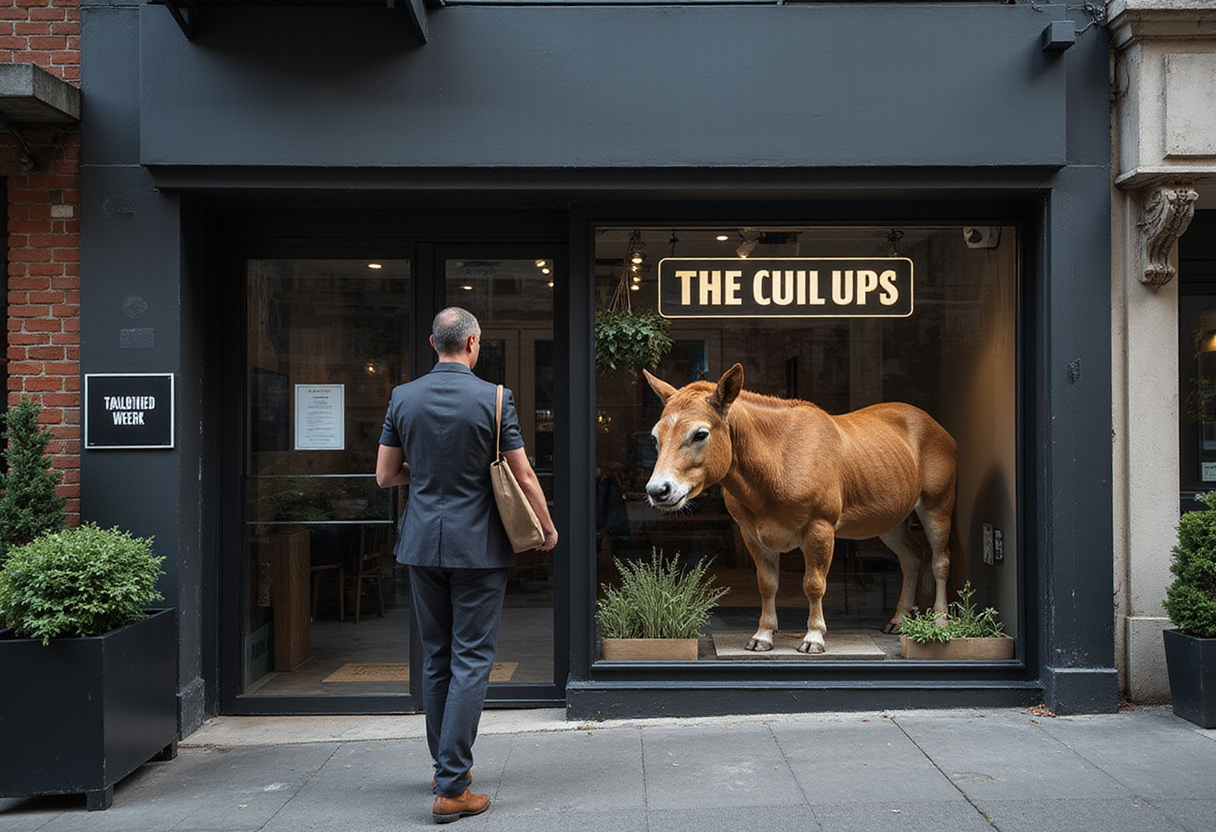
Singapore police arrested and charged a man over an AI-generated crocodile image in a public waterway. The charge carries up to 10 years in prison.
Processing notes
- Singapore police arrested and charged a man for allegedly posting an AI-generated image of a saltwater crocodile in a public water area.
- The charge carries a potential sentence of up to 10 years in prison.
- The case was reported by PetaPixel on September 29, 2026; the outcome of the prosecution has not been reported.
Police in Singapore have arrested and charged a man after he allegedly posted an AI-generated image of a saltwater crocodile swimming in a public water area. The charge carries a potential prison sentence of up to 10 years, according to a report published by PetaPixel on September 29, 2026.
The case is a concrete data point for working photographers and visual content businesses tracking how fast AI-generated imagery has moved from a licensing and disclosure problem to a criminal liability question. A synthetic image — not a photograph taken by anyone — is now at the center of a prosecution that could end with a decade of prison time for the person who shared it.
The specifics matter for anyone who distributes imagery professionally. The image in question depicted a saltwater crocodile in a public waterway in Singapore. Authorities treated the posting not as a copyright or platform-policy matter but as a criminal one, arresting and charging the individual through the police. The reported maximum penalty attached to the charge is 10 years in prison.
For photo businesses, the case sits at the intersection of two trends that have been building since generative image tools went mainstream. First, synthetic wildlife and news-adjacent imagery has become trivially cheap to produce, and platform moderation alone has not kept pace. Second, governments are increasingly willing to use criminal statutes — rather than civil remedies or content takedowns — against people who spread images authorities consider harmful or misleading.
That regulatory posture has direct workflow implications. Agencies, wire services and stock libraries that already require AI-content disclosure metadata and provenance verification now have an example of jurisdictional enforcement that goes well beyond labeling requirements. An editor clearing user-submitted or AI-assisted imagery for distribution in Asian markets — Singapore in particular — now faces a documented case where a single shared synthetic image triggered arrest and criminal charges.
The prosecution also sharpens the disclosure question for photographers who use generative tools in their own production pipeline. A wildlife or editorial image that blends captured frames with generated content can no longer be treated as a purely reputational risk if it circulates in jurisdictions with active enforcement. Compliance costs — provenance tracking, C2PA-style credentials, clear client contracts specifying what is captured and what is synthesized — are now measurable against a worst case that includes prison time, not just a retraction.
It is worth distinguishing what the case establishes from what it does not. One man faces charges in one jurisdiction under Singaporean law. The outcome of the prosecution has not been reported, and the specific statute under which he was charged is not detailed in the initial report. Whether this remains an isolated enforcement action or becomes a template for handling synthetic imagery elsewhere will depend on how courts and other governments respond in the coming months.
via bbc.com (Original)
More from Amara Osei
Show full bio
Market editor covering consumer brands and retail at Photo Trade Wire.
25 articles