FR-2B4Dƒ/8 · 1/125 · ISO 400Roll /gear-industry
Sony's Rialto 65 Sensor Priced at $80,000, Shipping First Half of 2027
Sony's Rialto 65 sensor block costs $80,000 without a body or lens mount, delivers 2.2x Venice 2 imaging area, and ships in the first half of 2027.

Processing notes
- Sony priced the Rialto 65 cinema sensor at $80,000, excluding camera body and lens mount
- The 53.75 × 35.83mm sensor offers ~2.2x the imaging area of the Venice 2's full-frame sensor
- Records 9.6K open gate at up to 30p; launch planned for first half of 2027
- Optional 12m extension cable costs $9,000; standard 4.5m cable included
- Competes with the rental-only Arri Alexa 65; targets rental houses and top-tier productions
Sony has set the price of its Rialto 65 cinema sensor block at $80,000 — and that figure covers neither the Venice 2 camera body it requires nor a lens mount. The module, first teased earlier this year, replaces the Venice 2's standard full-frame (840mm) sensor with a 53.75 × 35.83mm unit (1926mm) offering roughly 2.2 times the imaging area. Sony is tentatively planning a launch in the first half of 2027.
The spec sheet matters here. Paired with a Venice 2, the Rialto 65 records:
- 9.6K 3:2/1.5:1 open gate footage at up to 30p
- 9.6K 2.20:1 footage at up to 50p — though the fastest frame rates aren't available in the top-end Raw X-OCN XT format
More readout modes are coming via software update: 9.6K 17:9 at up to 40p, 6.4K 3:2 at up to 60p from a full-frame-sized crop, and 4.3K 17:9 at up to 100p from an APS-C crop. Shipping dates for those updates weren't specified.
How big is this sensor, really?
The diagonal falls just short of a true 65mm. That still puts it in a format class with a long filmmaking history, and well behind full 70mm IMAX film — the stock Christopher Nolan shoots on. Sony nonetheless calls it the "industry's largest image sensor" in the digital realm. A marketing claim, yes, but one without an obvious challenger among digital cinema sensors today.
What does this change for working cinematographers?
Lens coverage is the immediate practical problem. Sony hasn't included a lens mount at all — buyers must source a third-party mount matched to whatever glass carries an image circle large enough to cover the sensor. That glass is likely to be varied and relatively esoteric, which shapes the real cost of putting a Rialto 65 package into service.
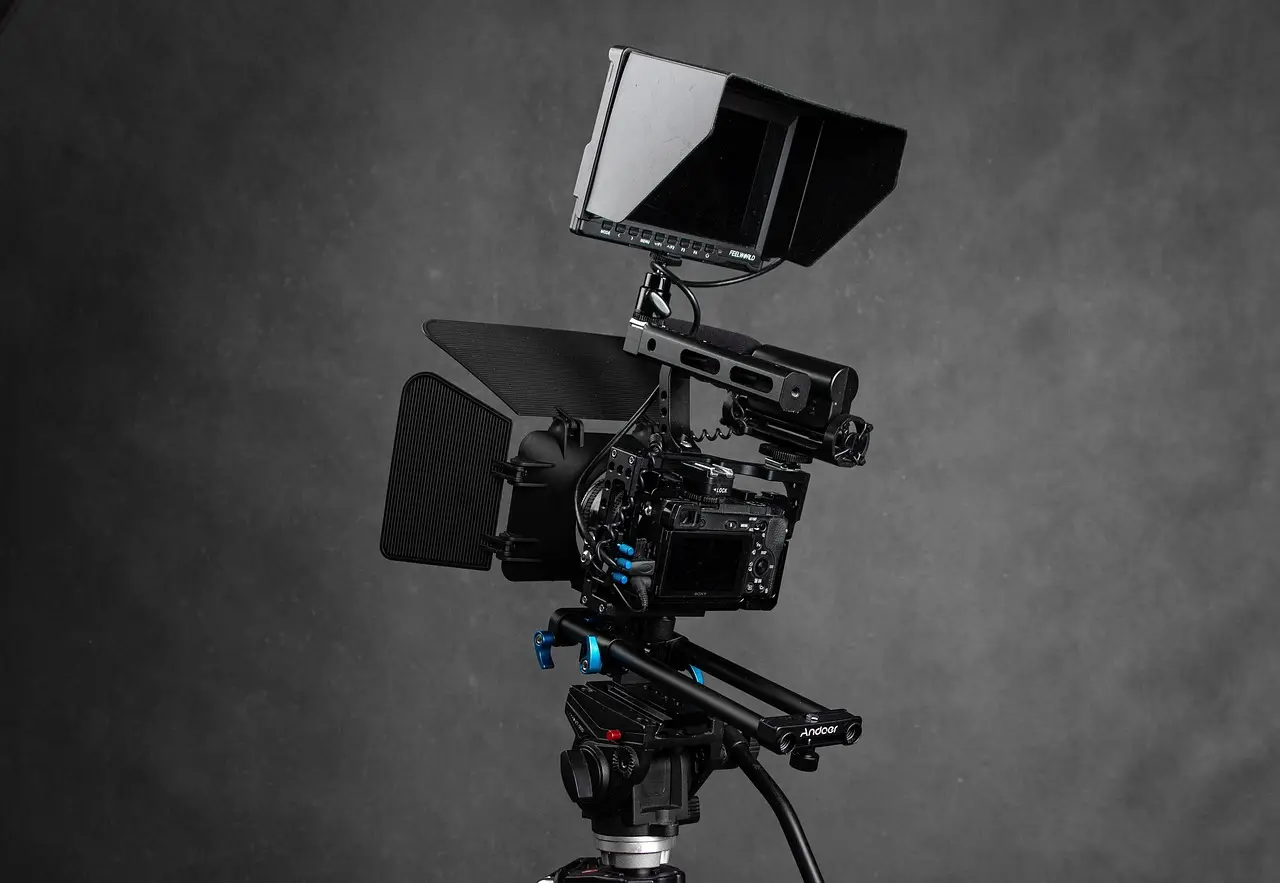
The system does offer deployment flexibility. It attaches directly to the camera or extends away from the body, fitting into tighter spaces on set. A 4.5m (14.8ft) cable ships in the box; a 12m (39.4ft) version costs another $9,000. Sony is also building drop-in ND filters with electronic contacts that tell the body which filter is installed — a workflow detail that saves a step on set.
Sony commissioned two short films from partner filmmakers to demonstrate the sensor's capabilities. The footage is impressive, but streaming compression — even at 4K — clearly doesn't do it justice, so buyers evaluating the system will want to see native files, not YouTube exports.
Who actually buys an $80,000 sensor?
Not individual shooters, mostly. A working Rialto 65 rig also needs a Venice 2 body, which runs roughly $60,000–70,000, plus a mount, glass and accessories. Realistically this is rental-house territory, destined for top-tier Hollywood production sets. That puts it in direct competition with the Arri Alexa 65, which Arri has kept rental-only — meaning Sony's decision to sell the Rialto 65 outright, mount-less and at $80,000, is itself the notable business-model move here.
With roughly a year and a half before the planned first-half-2027 launch, rental houses and high-end production houses now have hard numbers to budget against.
via go.skimresources.com (Original)
More from Nathan Brooks
Show full bio
Correspondent covering regulation, policy and their impact on professional photography industry at Photo Trade Wire.
102 articles