FR-0E5Aƒ/2.8 · 1/125 · ISO 400Roll /gear-industry
Sony’s $80,000 Rialto 65 Needs a $60,000 Venice 2 Body
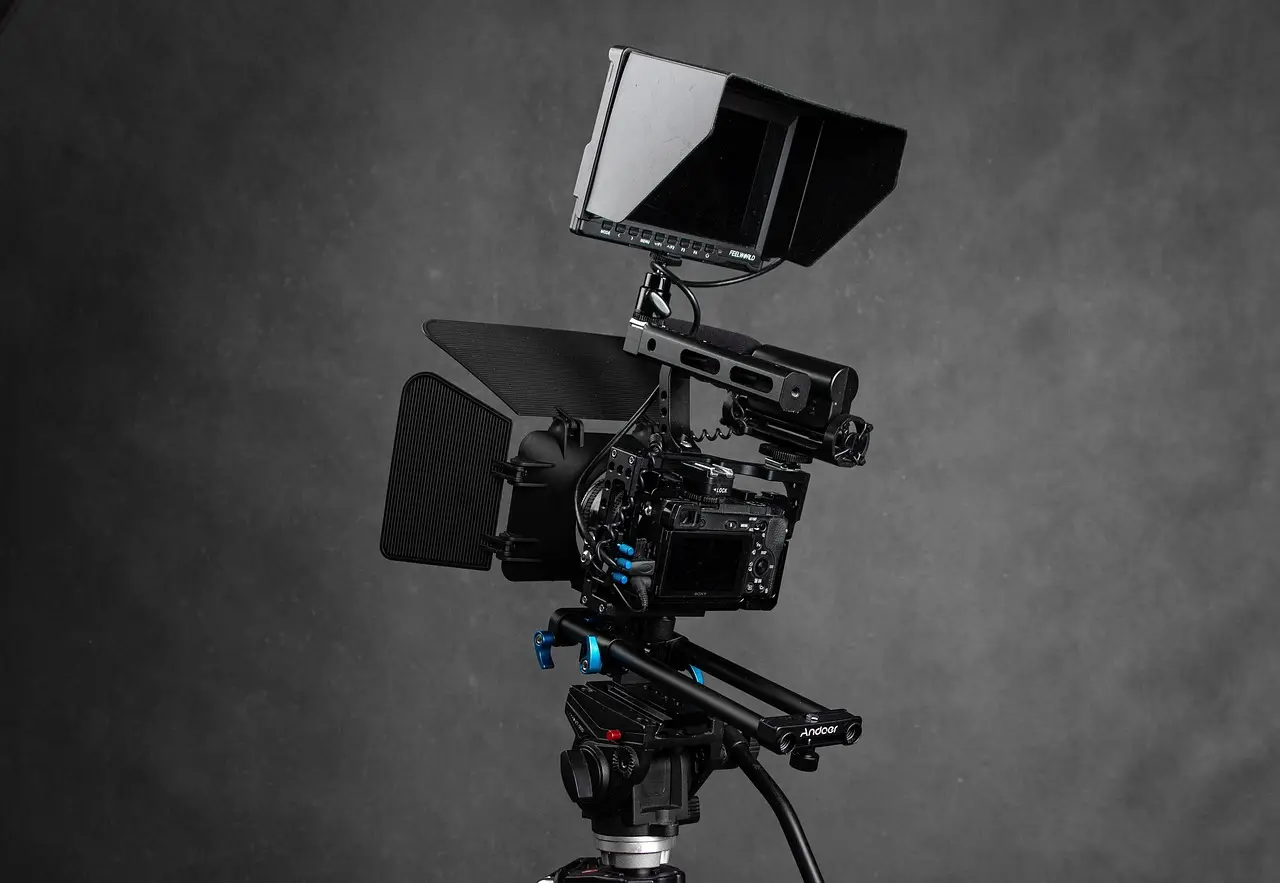
Sony’s $80,000 Rialto 65 is due in the first half of 2027 with a 65mm-format sensor and remote head, but it requires a $60,000 Venice 2 body. Rental rates remain unknown.

Processing notes
- The Rialto 65 Camera Extension System (CBK-6510XS) is priced at $80,000 for a first-half 2027 launch.
- It requires a roughly $60,000 Venice 2 body, putting minimum hardware cost near $140,000.
- The 53.75 x 35.83 mm sensor covers about 2.2 times a full-frame image area and supports 9.6K readouts.
- Base ISO options are 2500 and 10,000; Sony claims more than 15 stops of dynamic range at 2500.
- The 4.5-meter cable is included; a 12-meter cable costs $9,000 and the 11-filter ND kit costs $8,000.
By Elena Vasquez
Sony says it will launch the $80,000 Rialto 65 Camera Extension System (CBK-6510XS) for the Venice 2 CineAlta digital motion picture camera in the first half of 2027, but the extension requires a roughly $60,000 camera body. That makes the minimum hardware commitment about $140,000 before options.
The $80,000 price sits near a new BMW M3 or more than 16 Sony FX5 bodies. Sony supplied only the half-year window, not a firm shipping date, production-volume figure, rental rate or independent performance test. The large sensor is not a rounding error; neither is the ownership threshold.
The sensor Sony is selling
The 65mm-format sensor measures 53.75 millimeters wide by 35.83 millimeters high, creating an image area about 2.2 times larger than full frame. It supports 9.6K 1.5:1 Open Gate (a full-sensor readout) and a 9.6K 2.20:1 mode with an approximately 59-millimeter diagonal.
Sony says the 2.20:1 mode accommodates a wide range of lenses, but the announcement gives no lens-by-lens compatibility data. The camera also has dual base ISO (native sensitivity) settings at 2500 and 10,000.
At 2500, Sony claims more than 15 stops of dynamic range, meaning greater detail between shadows and highlights. The announcement reports no independent measurement or sample footage, so that number remains a specification claim.
Sony also says the sensor delivers video quality unlike anything else in its lineup, with extreme resolution and superior subject separation (visual isolation of a subject from its background). All else equal, the company says the extra scale makes it easier to emphasize a main subject and draw the viewer into the image.
Two ways to rig it
- Extension Mode: Separates the camera head from the Venice 2 body, supporting 4.5-meter and 12-meter cables for situations traditionally challenging for large-format cinema cameras.
- Studio Mode: Attaches the extension directly to the body for a more traditional configuration.
The 4.5-meter cable is included. The 12-meter cable costs $9,000, making Extension Mode a rig and cable-logistics decision.
The optional $8,000 CBK-NDK6510 ND Filter Kit contains 11 drop-in neutral-density filters, which Sony says are equivalent to those included with the Rialto 65. Electronic contacts let the filters communicate directly with the camera. Adding both options takes the listed hardware package to $157,000.
The camera head measures approximately 115 by 154 by 63 millimeters, or 4.5 by 6.1 by 2.5 inches, and weighs about 1.5 kilograms, or 3.3 pounds. Because it interfaces with the Venice 2 body, it can use the camera’s high-end features, including Venice color science and 16-bit X-OCN internal recording.
Yang Cheng, Senior Vice President, Imaging Solutions, Sony Electronics Inc., framed the product as a new format option. He said: “We’re excited to explore the 65mm visual format in ways never done before with the new Rialto 65 extension system.”
Cheng also tied the launch to Sony’s extension-system roadmap. He added: “As we grow our lineup of extension systems that enhance freedom and flexibility, we look forward to showcasing our commitment to the scope and deep expression of large format filmmaking by providing our Venice 2 customers with more sensor options.”
What does this change for working crews?
Existing Venice 2 owners can add the sensor option for $80,000 before accessories; crews starting from zero face roughly $140,000 in required hardware. For commercial teams, the business case depends on whether client work can absorb that outlay and whether Sony’s image-quality claims survive testing.
Extension Mode offers a body-detached head and two cable lengths for shoots traditionally difficult for large-format cinema cameras. Studio Mode provides the conventional direct-mount setup. The choice affects rig design, cable logistics and crew placement, rather than just a menu setting.
For rental houses, the $80,000 system and expensive options make a premium specialty package conceivable, not bankable. High-end cinema camera systems like this rarely get purchased outright; companies usually rent them for specific projects. Sony has disclosed no day rate (the price for a rental day), utilization forecast or availability date beyond the first-half 2027 window, so revenue projections remain informed guesses.
If the claims hold, the large sensor could support premium treatment in commercial or narrative assignments where extreme resolution and subject isolation matter. That is the pitch. The proof still owes us measured images, working lens combinations and a ship date.
Before the promised first-half 2027 launch, watch for a firm shipping date, independent color and dynamic-range measurements, and confirmed lens coverage; those will determine whether the price becomes a viable service or remains a showroom proposition.
via PetaPixel (Source)
More from Elena Vasquez
Show full bio
Staff writer covering money, funding and market shifts around professional photography industry at Photo Trade Wire.
87 articles