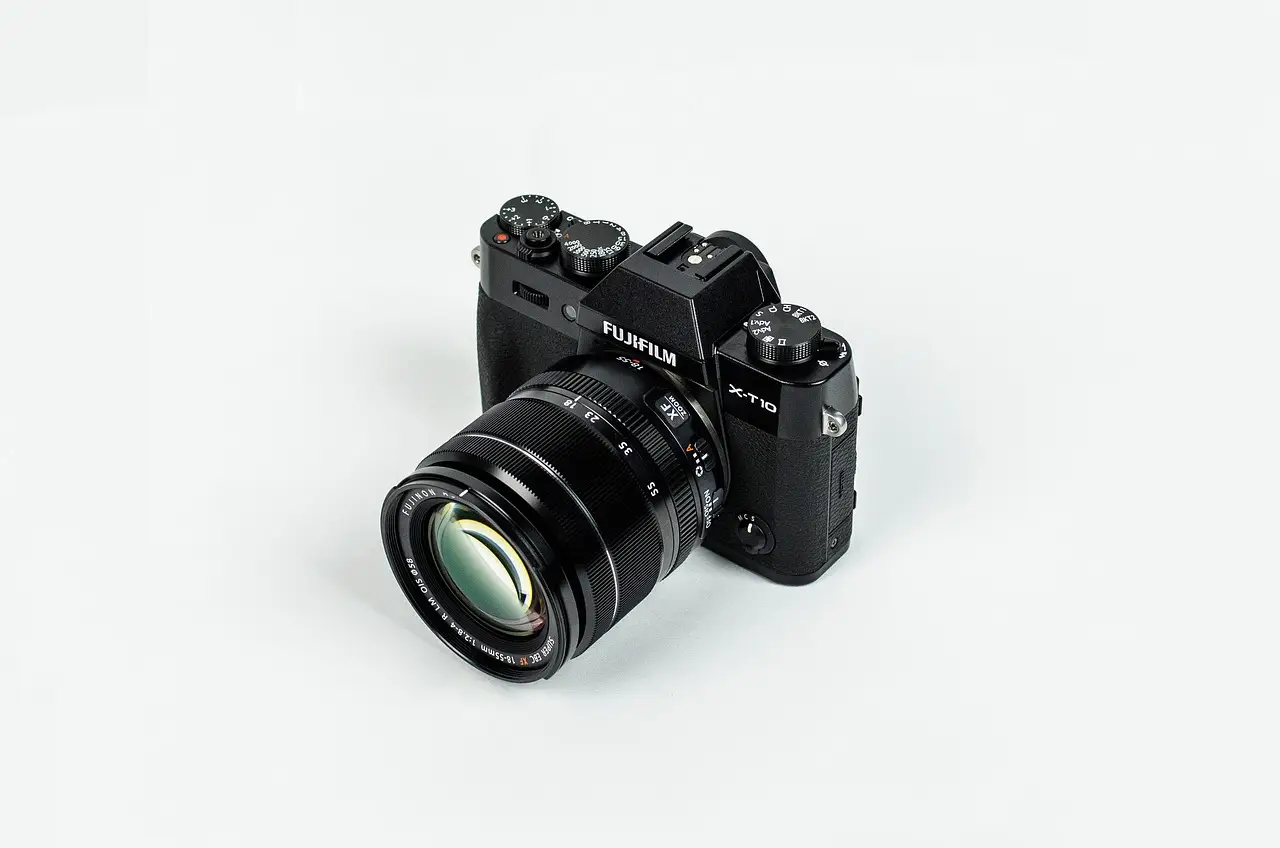
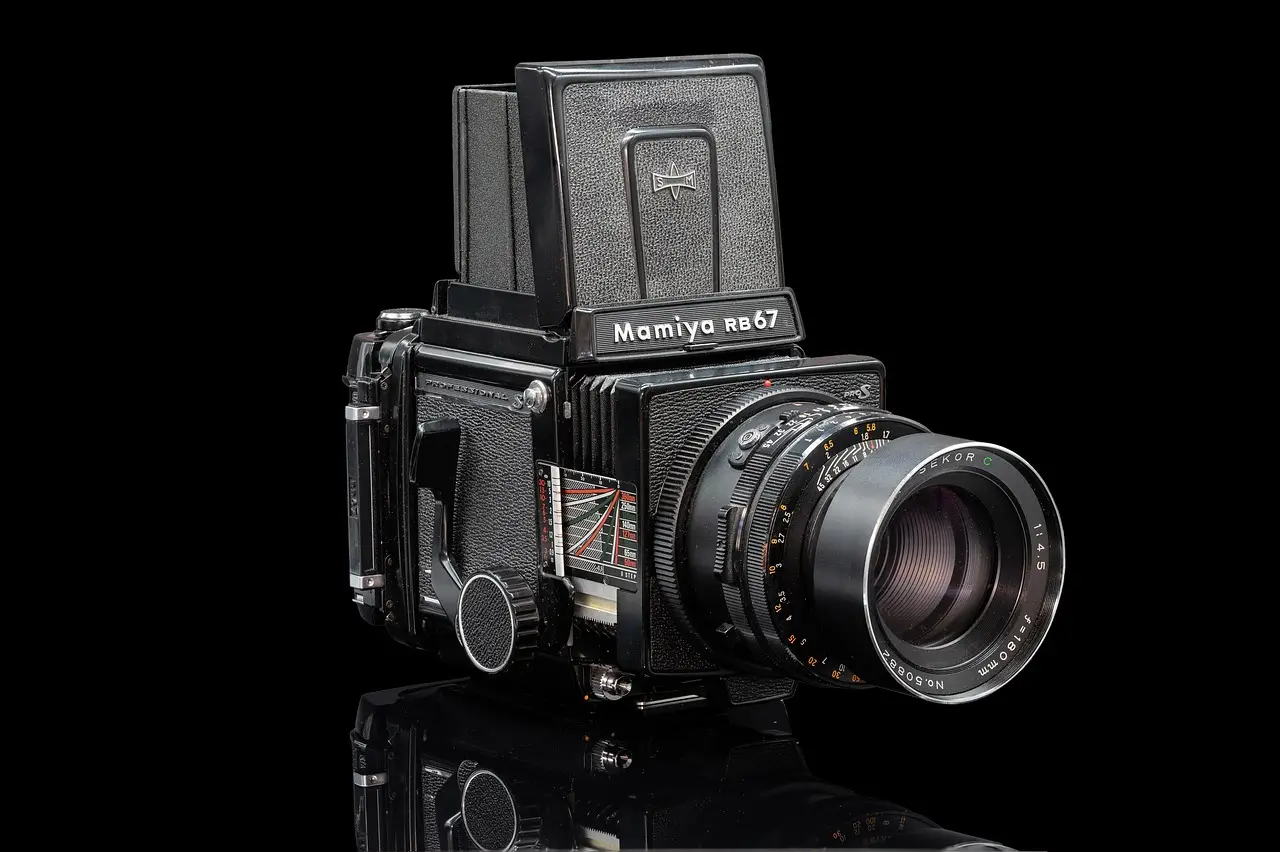
AI-Vibe-Coded Camera Firmware Hacks Explode Across Sony, Nikon, OM System
AI-assisted decompiling has triggered a wave of custom camera firmware: open-gate on Sony, XPan mode on the S9, autofocus on the X2D. Hasselblad's lawyers are already involved.
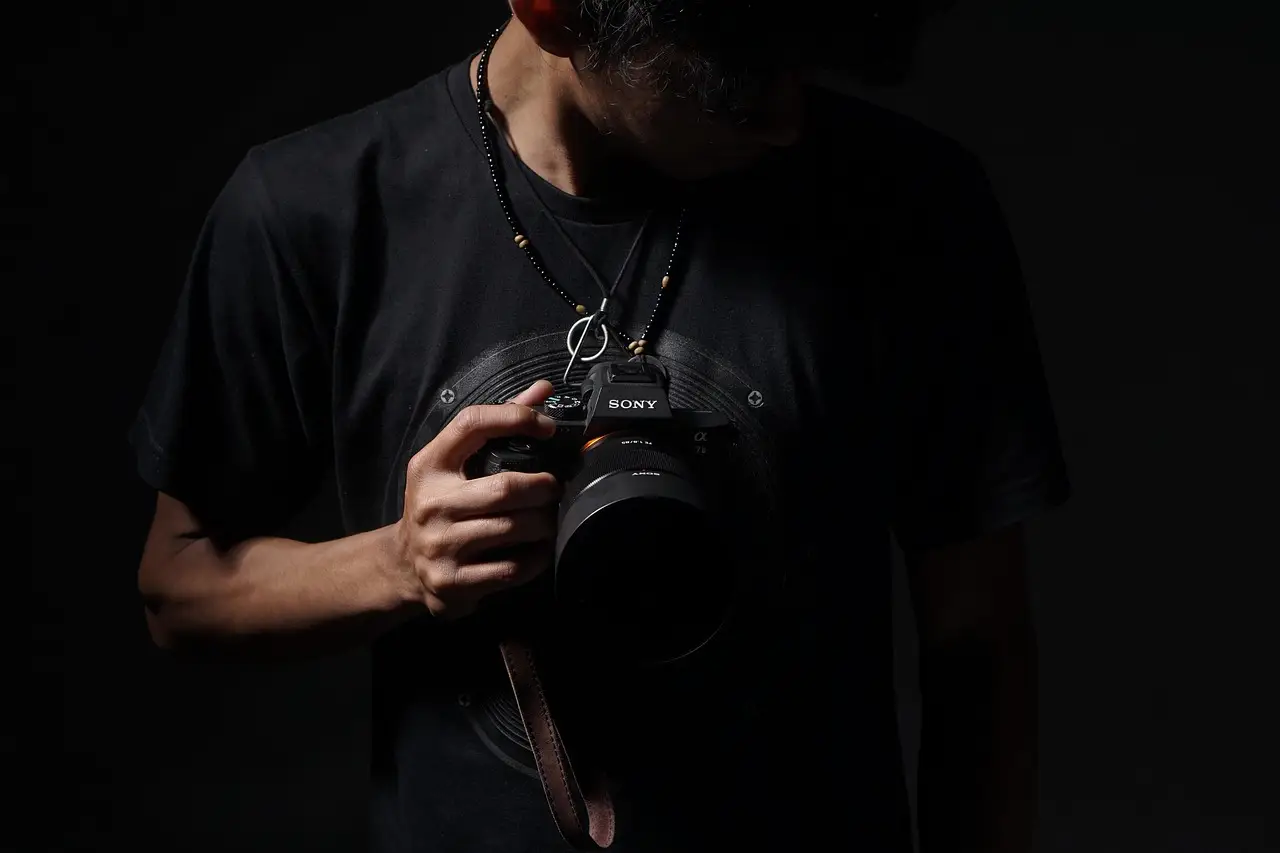
Processing notes
- Many current cameras' firmware was hacked in the past two months, enabled by AI decompiling tools
- Hacks add open-gate recording (Sony, Nikon, Blackmagic), XPan mode (Panasonic S9) and autofocus (Hasselblad X2D)
- Hasselblad lawyers have reportedly acted against the X2D jailbreak project
- The US DMCA makes circumventing firmware protections illegal even for private use
- Camera Intelligence announced a sanctioned 'Creative Sandbox' for user software
In the past two months, hackers have cracked the firmware of many current cameras, using AI tools to add features manufacturers never shipped — from open-gate video on the Sony a7S III to continuous autofocus on the Hasselblad X2D. The scene has moved from a niche hobby to a daily flood of projects across Reddit, Instagram, Discord and GitHub, with repositories appearing in English, Chinese, Korean and Japanese.
The enabler is what practitioners call "vibe coding": building software largely through AI prompts, without formal development experience. Crucially, modern AI tools have gotten good at decompiling (deriving readable source code from published firmware files) — work that once took human experts enormous time. The result is a drastically lowered barrier to modifying the software running inside cameras.
What are people actually installing?
The projects fall into a few recognizable buckets:
- Porting missing features. Open-gate recording has been added to various Sony, Nikon and Blackmagic cameras; anamorphic desqueeze preview to Red cinema cameras; a 65:24 "XPan" mode to the Panasonic S9; highlight-weighted metering to Fujifilm bodies.
- Back-porting across generations. Work is underway porting many OM-1 Mark II features to the original OM-1 — a camera OM System implied couldn't support them, when critics accused it of shipping a firmware update as a new model. Some OM System owners have also modified their software to accept Panasonic lens aperture rings, an embarrassing gap in the Micro Four Thirds interoperability story.
- New creative tools. The Caduceus project for the OM-3 and OM-5 Mark II adds an advanced JPEG color editor, desktop-app syncing and film-sim presets. Similar film-mimicking modes have appeared on Ricoh GR and Canon cameras, the latter side-loaded on top of Magic Lantern.
- Some, inevitably, are running Doom.
Notably, the X2D autofocus hack has reportedly drawn the attention of Hasselblad's lawyers.
Is any of this legal or safe?
In the US, the Digital Millennium Copyright Act prohibits circumventing technological protection measures on copyrighted works. If a camera-maker has locked its firmware, even private tinkering is legally exposed — and distribution, especially paid distribution, raises the risk considerably. Some developers cite exactly this fear as the reason they keep their software private.
The warranty picture is murky too. One camera-company representative, asked whether firmware hacks void coverage, said: "If you're within the warranty period, you may not be covered." Outside warranty, firmware-induced hardware damage may be unrepairable: "it may no longer be possible to get the parts to repair your camera."
Bricked cameras have been reported, including one developer's Fujifilm X30. "The risks of damaging your camera should probably weigh on the people doing it," the spokesperson said. "It should be obvious that this would be at your own risk."
There is one sanctioned path emerging: Camera Intelligence just announced a "Creative Sandbox" feature, a cordoned-off area of its OS for running users' own software.
What does this change for working photographers?
For now, it's a fast, free route to features you'd otherwise wait on — contrast Nikon's months-long rollout of the ZR's 2.0 firmware, still pending in November after being promised around the camera's April review, with the hacking scene's breakneck pace. The same spokesperson explained the gap: "The amount of effort that goes into validating firmware and making sure a change doesn't have a knock-on effect elsewhere is why firmware development can seem to take so long. Because we have to be able to back that up with support."
That's the real distinction. A manufacturer's feature carries liability and support; a vibe-coded port carries none, and its author may not know how to fix a bug if their LLM can't. There's also an irony: some AI-tool vendors are trying to block their models from being used to reverse engineer software — while those models were themselves trained on copyrighted work.
Magic Lantern has survived over a decade, so long-lived community firmware is possible. But generating code and maintaining it against official updates that may explicitly block it are different disciplines. How manufacturers respond to this unauthorized wave — legally or by opening their platforms — will likely decide whether custom firmware becomes an ecosystem or an artifact.
via go.skimresources.com (Original)
More from Elena Vasquez
Show full bio
Staff writer covering money, funding and market shifts around professional photography industry at Photo Trade Wire.
137 articles