LLM Firmware Hacks Reach Camera Gear, and Manufacturers Are Not Ready
Photographers now use LLMs to write custom camera firmware adding resolutions and color profiles. The gains are real, but warranties are void and bricked bodies have no support path.
Processing notes
- Claude Code's late-2025 breakthrough triggered a 2026 wave of LLM-driven hardware and firmware hacking, including cameras.
- CleanYourTV, built with Claude Code in 90 minutes on a Xiaomi Android TV, became one of GitHub's most popular repositories.
- M-Vave released open-source firmware for its hackable FM-1 synth instead of fighting custom-firmware developers.
- Former Take-Two AI head Luke Dicken predicts more invasive DRM and streaming-only distribution to counter decompilation.
- Meta's Muse Gadgets program packages ESP32 modules as consumer-ready DIY AI devices.
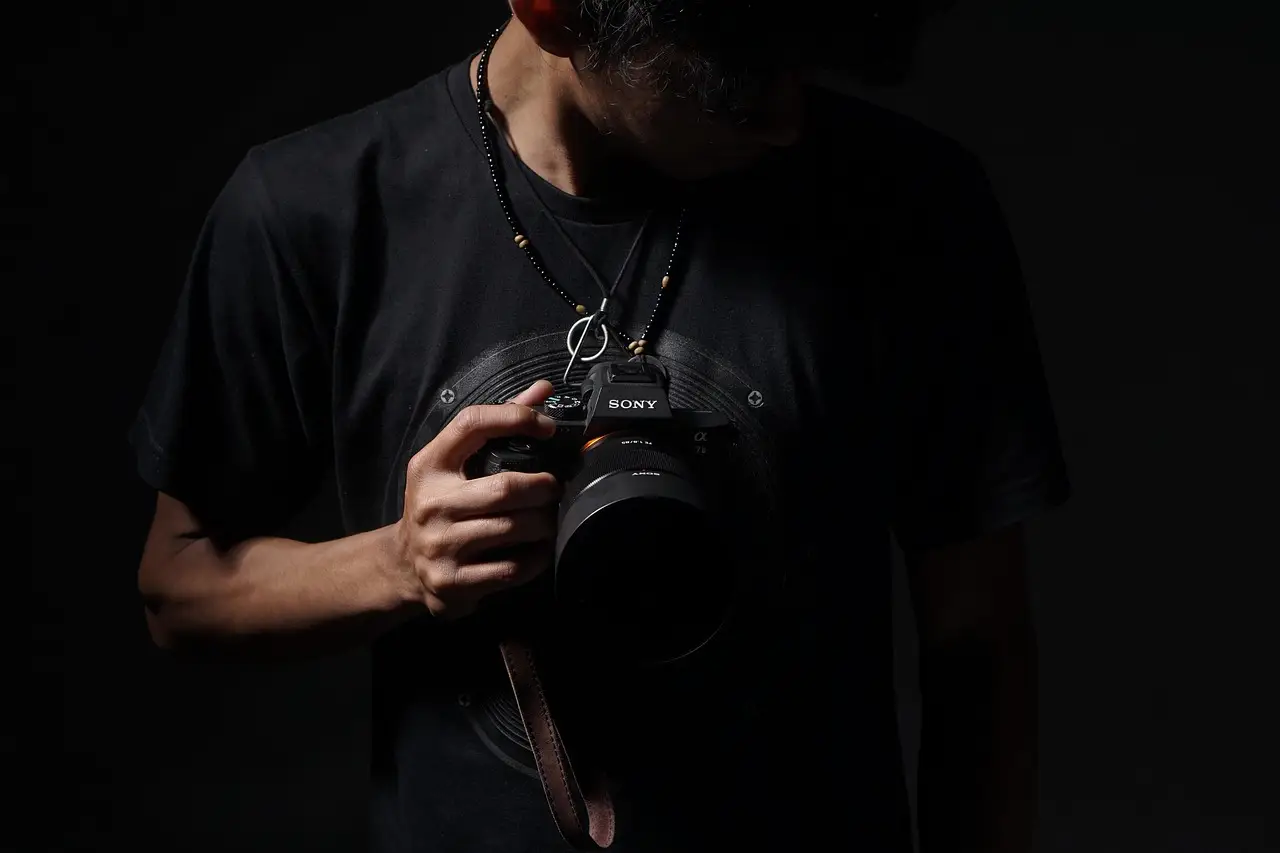
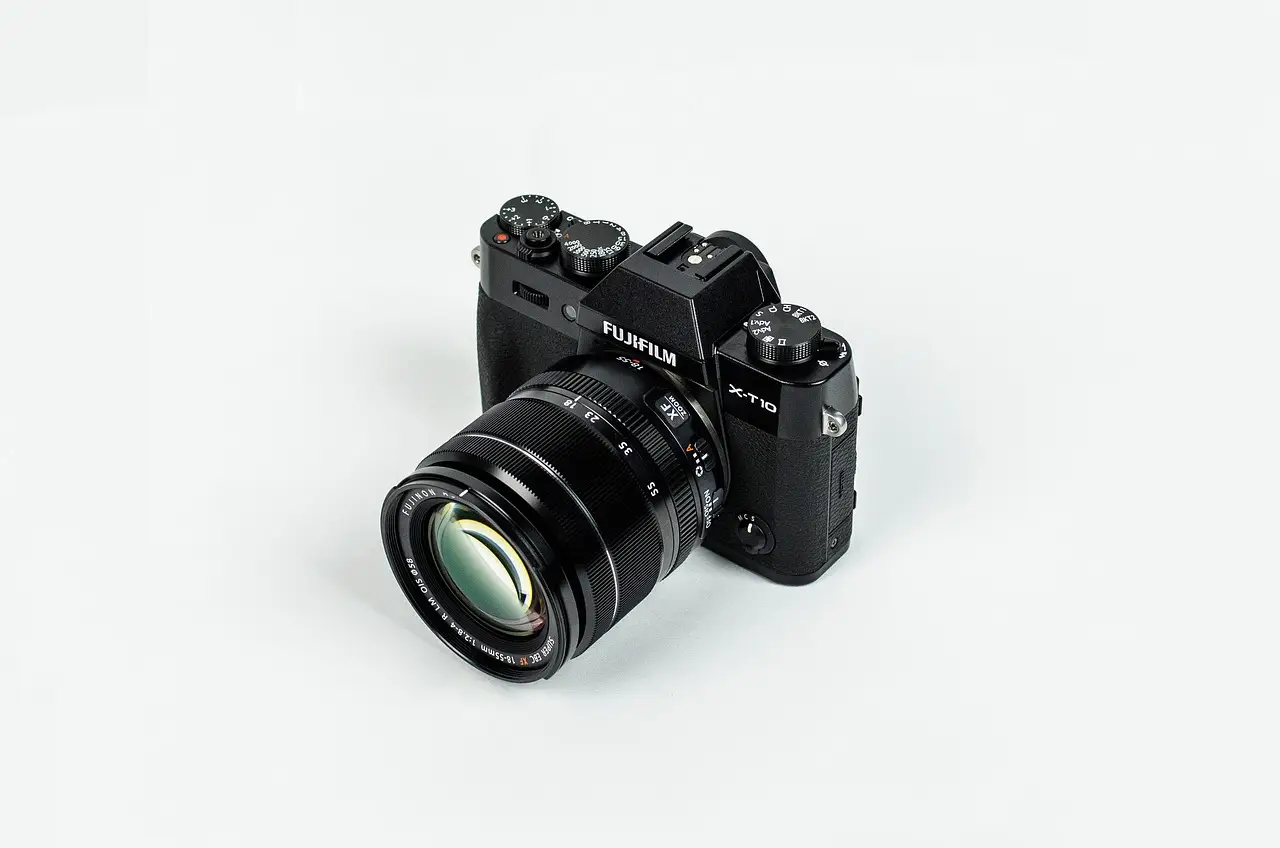
Camera enthusiasts are now using large language models to write custom firmware, adding recording modes, higher resolutions, and new color profiles to both aging and brand-new bodies. The practice, known as vibe hacking, moves a long-standing modding tradition — think Magic Lantern (a free firmware add-on for Canon DSLRs) — into reach of anyone who can prompt a chatbot. For working photographers, the shift raises a concrete trade-off: free capability upgrades against a voided warranty and no manufacturer support when things fail.
The mechanism is simple. Developers prompt tools like Claude Code or Codex to probe a device, uncover hidden APIs, unpack firmware files, and repackage them. After Claude Code's breakthrough moment in late 2025, adoption accelerated through 2026, and non-developers joined in.
The clearest case study comes from television hardware. A developer in India, Gathin T, decided to fix his Xiaomi Android TV. "One afternoon, I was fiddling with my TV, and it was just really shitty," he told The Verge. After two permission tweaks and enabling USB debugging, Claude Code could control the set over his home Wi-Fi. Ninety minutes later, the ads were gone, the interface was simplified, and his PlayStation input was easier to reach. He packaged the work as CleanYourTV, which became one of the most popular repositories on GitHub, drawing thousands of pull requests and feature ideas. Gathin notes the easy path only works on Android-based TVs; other operating systems require full jailbreaking and rooting, which he declines to share broadly. Android, however, runs an enormous range of hardware — from dishwashers to digital photo frames to luxury cars.
What does this mean for camera owners?
In the camera world, the pattern extends the Magic Lantern lineage: AI-generated firmware adds features manufacturers never shipped. Some users revive old gear; others point bots at current hardware. The risk side is blunt. Ritchie Roesch, writing at Fuji X Weekly, put it directly: "It's not so much if someone's camera will become a permanent paperweight, it's a matter of when and how many, and whether it will be yours." Once third-party firmware is installed, the manufacturer's support channel is closed, and the user may end up asking the same chatbot to repair damage it caused.
Music hardware shows how manufacturers can respond differently. The budget M-Vave FM-1 synth became a popular target for custom firmware, and M-Vave responded by releasing open-source firmware rather than fighting the hackers. That choice pressures higher-end makers, who must now decide whether custom-firmware demand is a threat or a signal about missing features.
How is the industry pushing back?
Gaming shows the aggressive end of the spectrum. Luke Dicken, a gaming executive who was recently Take-Two's head of artificial intelligence, predicted to Kotaku that the industry will adopt "more invasive DRM, platform-level solutions, and probably more of a push towards streaming solutions since nobody can decompile what they can't get their hands on." Hardware makers are expected to lock down systems further, and legal action over intellectual property is likely across categories.
Is there a safer path?
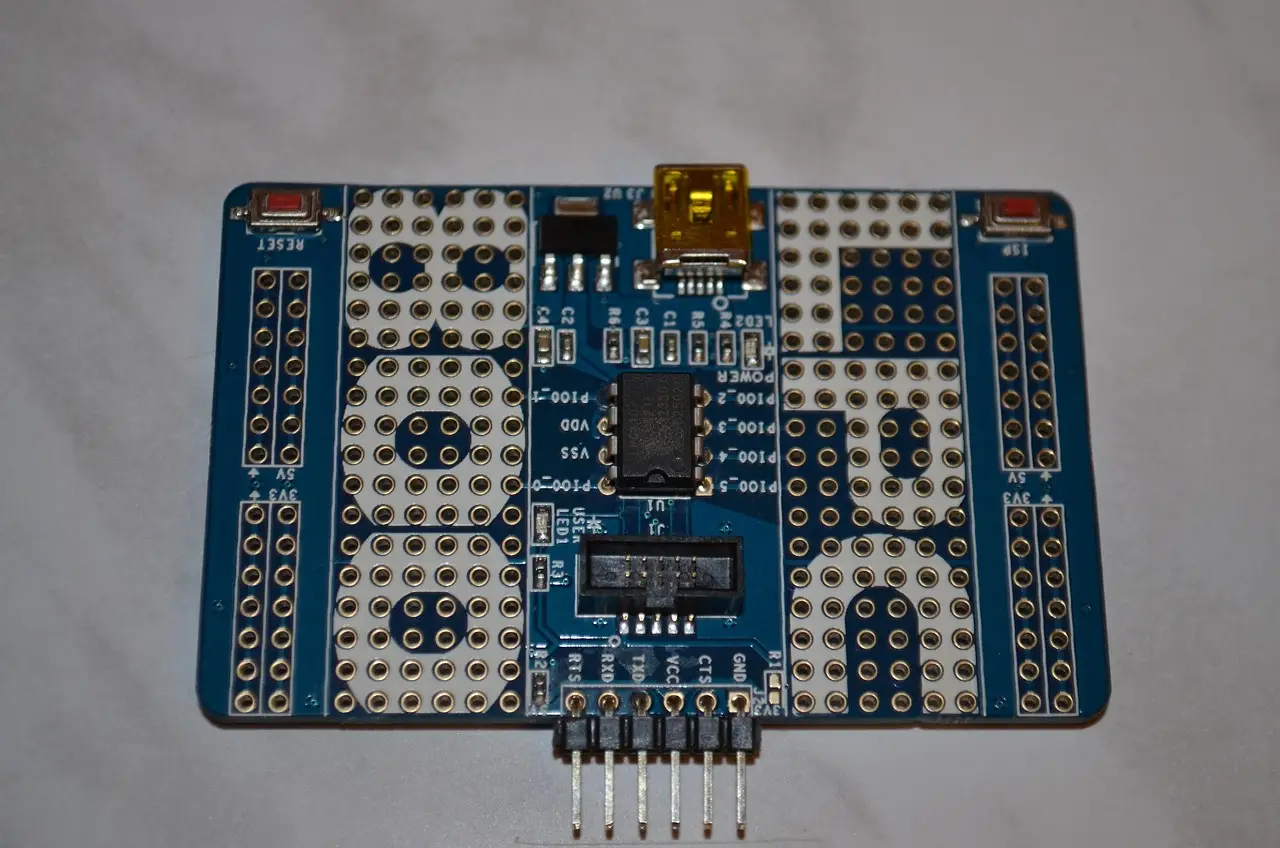
A growing cohort avoids modifying existing hardware entirely and builds new devices from ESP32 modules — cheap, hacker-friendly circuit boards combining networking, microphones, and speakers. Meta is commercializing the trend with its Muse Charm and Muse Gadgets program, which sells packaged ESP32 modules or accepts your own to spin up dedicated AI devices. Espressif, the chip's creator, recently launched its own development system, ESP-Claw, to simplify programming further. Suggested starting points include Waveshare for hardware purchases; Raspberry Pis also work, and can even run Claude Code themselves.
The CleanYourTV story also shows how vibe hackers mature into software vendors. Gathin now builds in safeguards: the system backs up the TV's software before changes, logs every modification, checks its progress, and spins up sub-agents to test for failures. He still advises isolation. "Even for fiddling with stuff," he says, "I have an external computer which runs through Linux. So I just use it like a sandbox environment to test things out." His standing rule — never give the bots access to something you cannot afford to lose — applies directly to a camera that earns your income.
The practical caveats for photographers are stark: vibe-hacking a gadget practically always voids the warranty, with no refund path and no customer support. As models grow more capable and tools more sophisticated, expect an intensifying arms race — some manufacturers locking hackers out, others embracing them — while ESP32-based consumer gadgets spread and a share of modified cameras become expensive paperweights.
via theverge.com (Source)
More from Amara Osei
Show full bio
Market editor covering companies, deals and strategy in professional photography industry at Photo Trade Wire.
167 articles